



Na-K-2Cl cotransporter (NKCC2)
Also known as: NKCC2, SLC12A1, loop of Henle sodium transporter, bumetanide-sensitive cotransporter
The transporter in the thick ascending limb of the loop of Henle that reabsorbs sodium, potassium and chloride from the filtrate. Loop diuretics such as furosemide block it, so the kidney passes far more salt and water, relieving the fluid overload of heart failure.
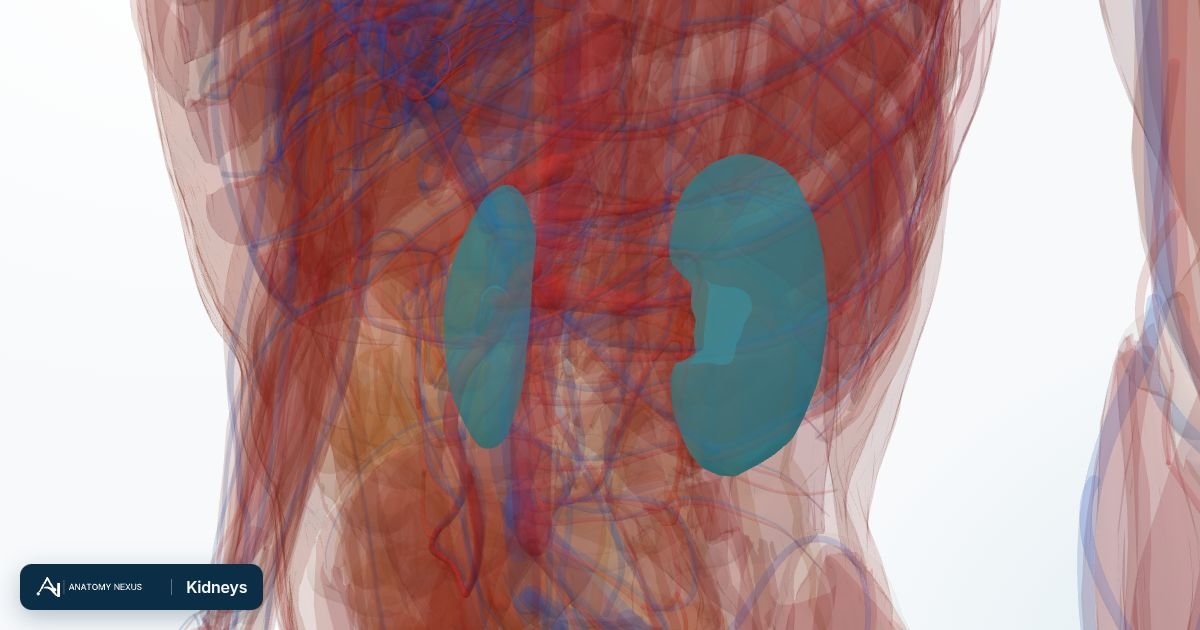
- Kind
- transporter
- Also called
- NKCC2, SLC12A1, loop of Henle sodium transporter, bumetanide-sensitive cotransporter
- Where it is found
- Apical membrane of the thick ascending limb of the loop of Henle in the kidney; a related isoform is in the inner ear.
What it does
About a quarter of the sodium the kidney filters is reclaimed in the thick ascending limb of the loop of Henle by NKCC2, which carries one sodium, one potassium and two chloride ions together from the tubular fluid into the cell. Because this segment is impermeable to water, the salt it removes also builds the concentration gradient in the kidney medulla that later allows urine to be concentrated. Loop diuretics reach the transporter from the tubular side (they are secreted into the tubule by the proximal cells, so they still work when filtration is poor) and block it; salt that stays in the tubule drags water with it, the medullary gradient collapses, and a large, dilute diuresis follows within an hour of a dose. The lost potassium, magnesium and calcium explain the electrolyte disturbances of loop diuretics, the fall in blood volume explains dizziness and rising creatinine, and the same transporter in the inner ear accounts for their rare ototoxicity at high doses. NSAIDs blunt the effect by reducing the prostaglandins that support it.
Role in the body
Reabsorbs about 25% of filtered sodium and chloride and generates the medullary concentration gradient; also reabsorbs potassium, calcium and magnesium indirectly.