



Drug class · Urinary
Loop diuretics
Also known as: water tablets, furosemide-type diuretics
Powerful diuretics that make the kidneys excrete salt and water within an hour. Used to clear fluid in heart failure, kidney and liver disease.
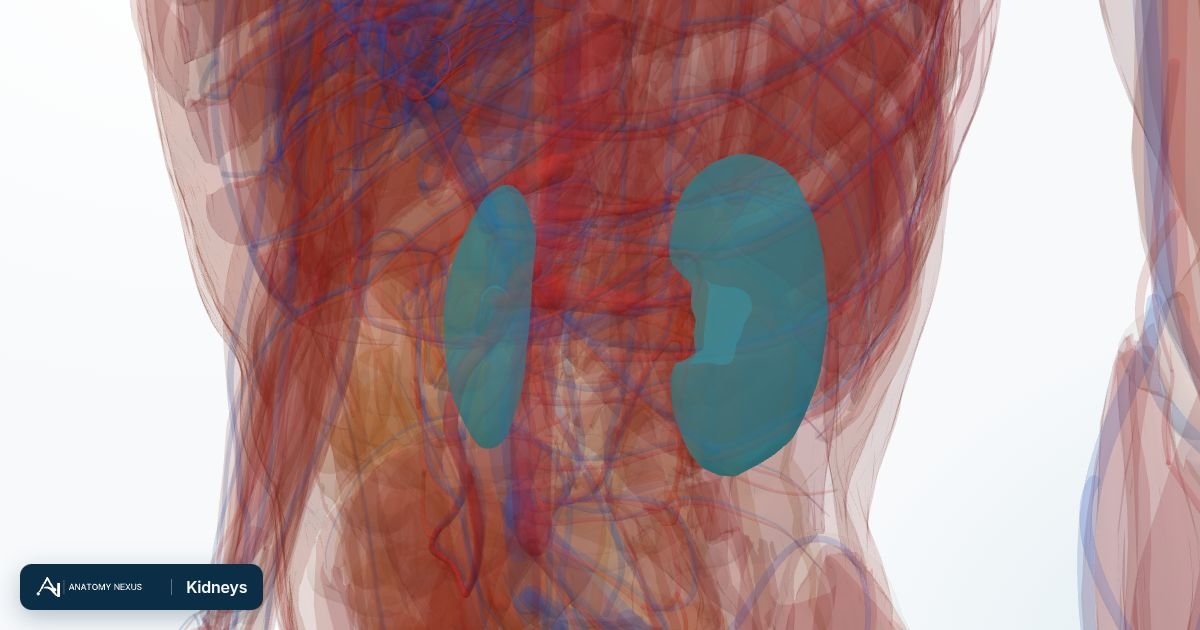
- Biological target
- Na-K-2Cl cotransporter (NKCC2)
- Also called
- water tablets, furosemide-type diuretics
Mechanism of action
They block the sodium-potassium-chloride co-transporter in the thick ascending limb of the loop of Henle, the segment that normally reabsorbs a quarter of filtered sodium. Salt that stays in the tubule carries water with it, so urine output rises several-fold. Potassium, magnesium and calcium are lost as well. Thiazide-like diuretics (indapamide, bendroflumethiazide) act further along the nephron and are the gentler class used for blood pressure.
Members of the class
Members with a page on this site are linked.
Conditions treated
Class effects
- Frequent urination, thirst, cramps
- Low potassium, sodium and magnesium; raised uric acid and glucose
- Dizziness from low blood pressure
Cautions
- Kidney function and electrolytes within a week of starting
- Hearing damage with rapid high intravenous doses
- Pause on sick days
- Interactions with lithium, digoxin, aminoglycosides and NSAIDs
Class warnings
- Loop diuretics cause dehydration, low potassium, sodium and magnesium, and can precipitate acute kidney injury and gout; electrolytes and kidney function are monitored, and high doses can damage hearing. UK
Class interactions
| With | Effect | Source |
|---|---|---|
| NSAIDs | Reduced diuretic effect and increased risk of kidney injury. | UK |
| ACE inhibitors and ARBs | First-dose hypotension and kidney injury when the person is volume-depleted; the diuretic may be reduced when the ACE inhibitor is started. | UK |
| Digoxin | Hypokalaemia increases digoxin toxicity. | UK |
| Aminoglycosides | Additive ototoxicity and nephrotoxicity. | UK |
Open the Drug Interaction Checker
Educational content. A drug class page describes what a family of medicines has in common. Individual medicines differ in dose, licensing and interactions; treatment choices belong to a prescriber.