



Tubular reabsorption and secretion
The tubules reclaim over 99% of the filtered water and salt and all the glucose, and add wastes and excess ions to what remains.
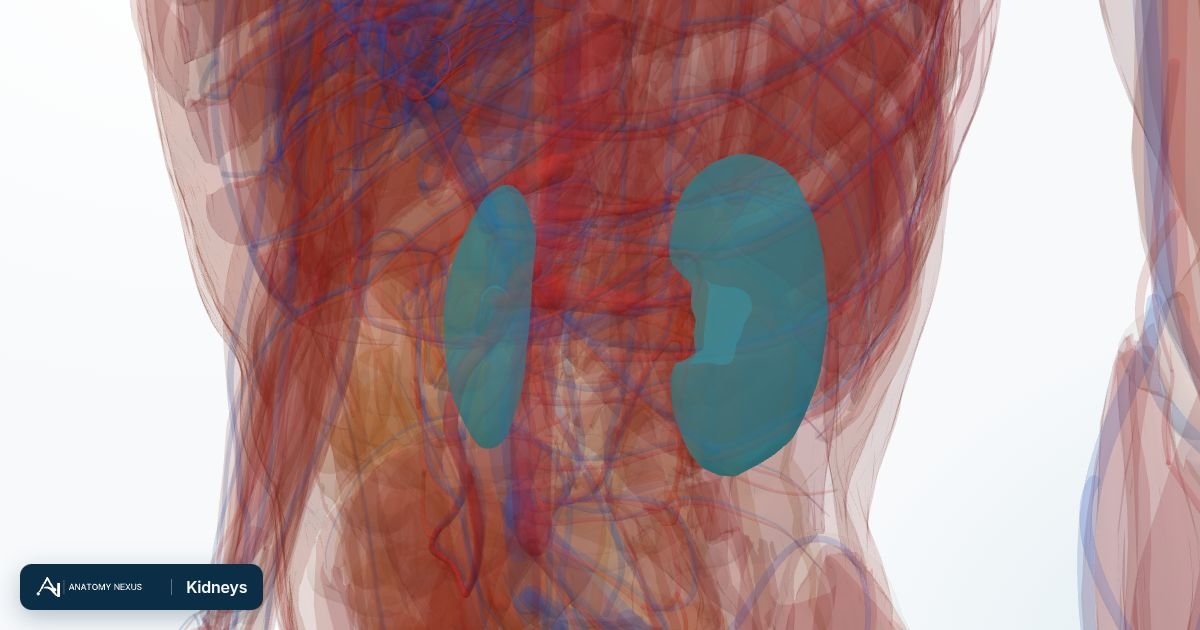
The proximal tubule recovers about two thirds of the filtered water and sodium and all the glucose and amino acids; when blood glucose is high, as in uncontrolled diabetes, the transporters are overwhelmed and glucose spills into the urine. The loop of Henle builds a salt gradient in the medulla that allows water to be drawn out later. The distal tubule and collecting duct fine-tune sodium, potassium and acid under hormonal control.
Aldosterone increases sodium reabsorption (and potassium loss); antidiuretic hormone opens water channels in the collecting duct to concentrate urine. Diuretic drugs block specific transporters: loop diuretics in the thick ascending limb, thiazides in the distal tubule.
Secretion works the other way: the tubules actively pump potassium, hydrogen ions, drugs and organic acids into the urine, which is how penicillin and many other drugs are cleared.
Key facts
| Fact | Value |
|---|---|
| Water reabsorbed | >99% |
| Proximal tubule share | ≈65% |
| Urine output | ≈1–2 L/day |