



Creatinine and eGFR
Also known as: creatinine test, eGFR test, serum creatinine, estimated glomerular filtration rate, kidney blood test
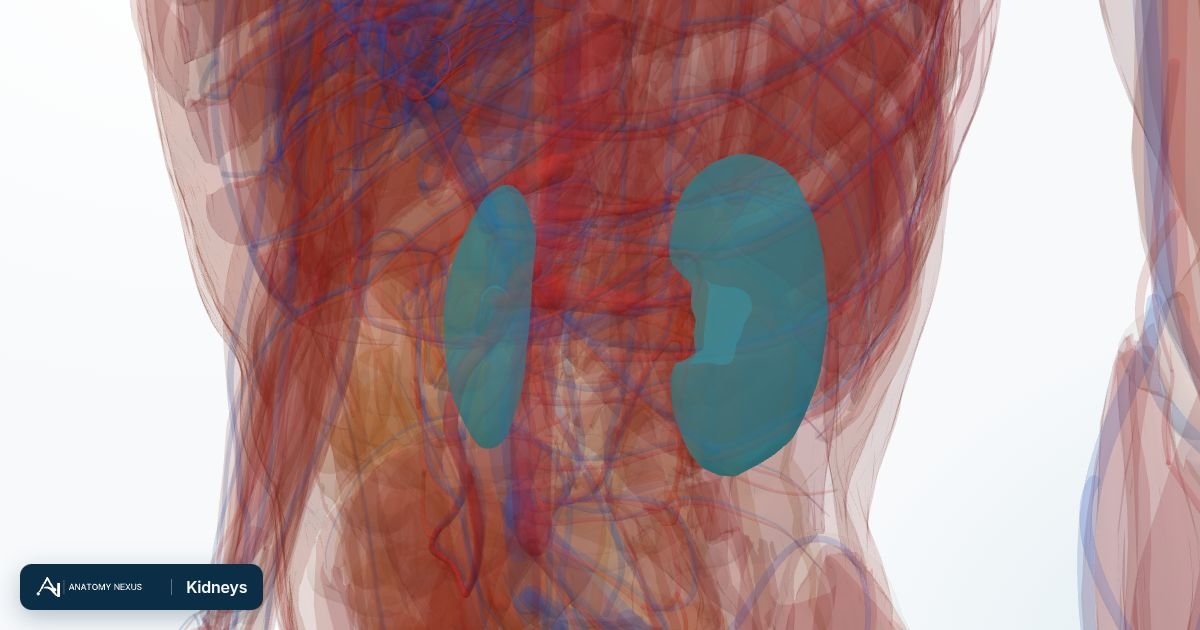
The everyday measure of how well the kidneys filter. Creatinine, a waste product of muscle, builds up in blood as filtration falls; the laboratory converts it, with age and sex, into an estimated glomerular filtration rate (eGFR), the number used to stage chronic kidney disease, detect acute kidney injury and adjust the doses of many medicines.
- Abbreviations
- eGFR
- Kind
- Laboratory test
- Categories
- Kidney & urinary, Chemistry & metabolic
- Specimen
- Serum or plasma
- Method
- Chemistry analyser, Calculation from other results
- Part of panel
- Kidney function tests
- Terminology
- LOINC 2160-0, 62238-1
- Type
- Blood test
- Sample
- Blood from a vein
- Used for
- Kidney function screening, chronic kidney disease staging, acute kidney injury, drug dosing
- Measures
- Creatinine, and from it the estimated filtration rate of the kidneys
- Result
- Creatinine numeric with a reference interval; eGFR numeric read against staging thresholds
Why is it used?
- Screening people with diabetes, high blood pressure or cardiovascular disease
- Before starting or adjusting medicines cleared by the kidney (metformin, DOACs, many antibiotics) and before contrast scans
- Swelling, reduced urine, tiredness, nausea or confusion
- Acute illness, dehydration, vomiting or diarrhoea, particularly in people on ACE inhibitors, ARBs, diuretics or NSAIDs
- Monitoring chronic kidney disease, lithium and nephrotoxic drugs
What does it measure?
| Component | What it measures | A higher value may be seen in | A lower value may be seen in |
|---|---|---|---|
| Creatinine Cr | Muscle waste product cleared by the kidney | Reduced kidney filtration, dehydration, high muscle mass, some medicines that block its secretion | Low muscle mass, pregnancy, liver disease |
| eGFR (estimated glomerular filtration rate) eGFR eGFR | Estimated glomerular filtration rate calculated from creatinine, age and sex | High values are normal in the young; falsely high with low muscle mass | Chronic kidney disease, acute kidney injury; falsely low with high muscle mass |
A high or low value can be associated with several different situations; the result is interpreted with other results, symptoms, history and clinical findings.
How is it performed?
A venous blood sample; usually reported together with urea and electrolytes, and paired with a urine albumin-to-creatinine ratio when kidney disease is being assessed.
Specimen. Venous blood (serum or plasma)
Do I need to prepare?
None; avoid a large meat meal and strenuous exercise the day before if the result matters for staging, and mention creatine supplements.
What do the results generally mean?
| Finding | What it may indicate |
|---|---|
| Creatinine rising over hours to days | Acute kidney injury: dehydration, sepsis, obstruction or drugs; the eGFR is unreliable while the value is changing |
| eGFR below 60 on two tests at least 90 days apart | Chronic kidney disease, staged G3a to G5 by the value and combined with the urine albumin category |
| eGFR 60-89 with no markers of kidney damage | Not chronic kidney disease on its own; common with age |
| Small creatinine rise after starting an ACE inhibitor or ARB | Expected; a rise above about 30% prompts review of the dose and a search for renal artery narrowing |
Guideline thresholds
| Threshold | Value | Unit | Applies to | Country · source |
|---|---|---|---|---|
| Chronic kidney disease (stage G3a or worse) | eGFR below 60, persisting for more than 90 days | mL/min/1.73 m² | Adults; also diagnosed at any eGFR when markers of kidney damage such as albuminuria are present | UK UK |
| CKD stage G3b | eGFR 30 to 44 | mL/min/1.73 m² | Moderately to severely decreased filtration; many drug doses need review | GLOBAL GLOBAL |
| CKD stage G4 | eGFR 15 to 29 | mL/min/1.73 m² | Severely decreased; specialist referral and preparation for kidney replacement therapy | GLOBAL GLOBAL |
| Kidney failure (stage G5) | eGFR below 15 | mL/min/1.73 m² | Dialysis or transplantation may be needed | GLOBAL GLOBAL |
Clinical decision thresholds come from the named guideline and country; they are not laboratory reference intervals, and they change when guidance changes.
What can affect the result?
- Muscle mass: frailty, amputation and muscle disease lower creatinine, body-building and creatine supplements raise it
- Cooked meat within the previous 12 hours and strenuous exercise
- Hydration and acute illness (the estimate assumes a steady state)
- Medicines: trimethoprim and cimetidine raise creatinine without harming the kidney; ACE inhibitors and ARBs cause a small expected rise
- Pregnancy, where filtration normally increases
Medicines. NSAIDs, ACE inhibitors, ARBs, diuretics, lithium, some antibiotics and contrast media can reduce filtration; trimethoprim raises creatinine by blocking its secretion without changing true function; metformin, DOACs and many antibiotics are dosed by eGFR.
What can the test not tell you?
- The cause of kidney disease (that needs urine tests, imaging and sometimes a biopsy)
- Whether protein is leaking into the urine (the urine albumin-to-creatinine ratio does that)
- Kidney function precisely near the normal range, where a cystatin C estimate can confirm the finding
Creatinine depends on muscle mass, so eGFR overestimates function in frail people and underestimates it in the very muscular; the equation assumes a steady state and is inaccurate in pregnancy, at extremes of body size and in rapidly changing illness. About half of kidney function can be lost before creatinine leaves the reference interval. Cystatin C offers a second estimate when the creatinine-based one is doubtful.
Other tests commonly used with it
Medicines monitored with this test
Each medicine page cites the official document that names this test in its monitoring plan.
Catalogued concepts this page covers
Concepts of the master test taxonomy that resolve to this page; each links to its category.