



Fluid balance
Water in equals water out: thirst, antidiuretic hormone and the kidneys keep the body's 40 litres of fluid within a litre of its set point.
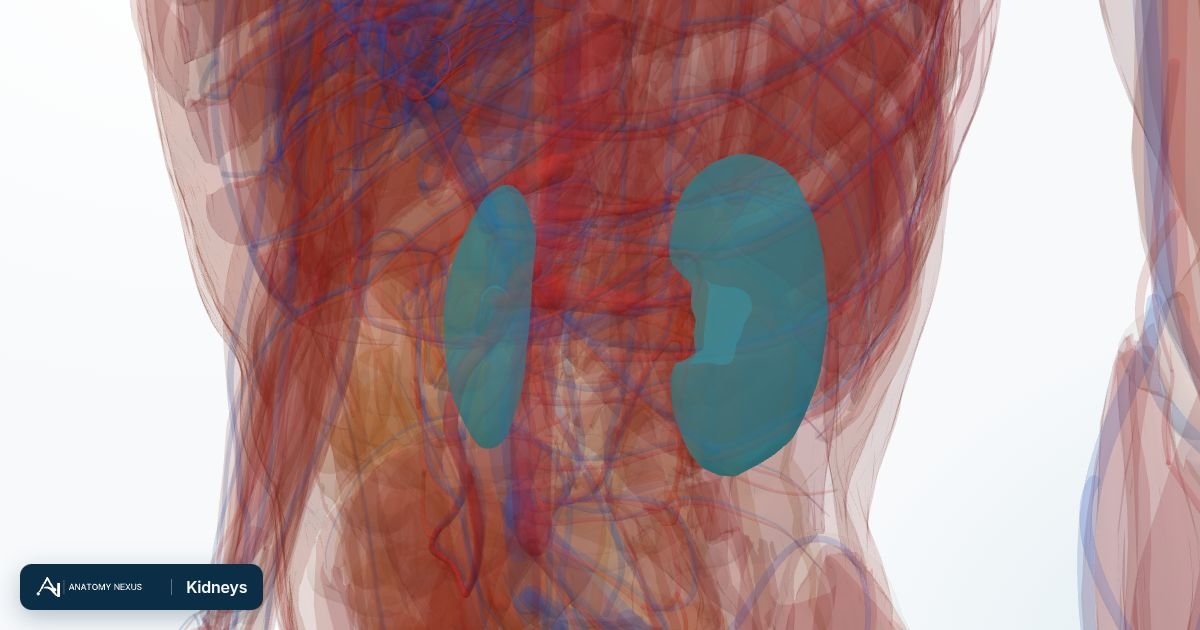
An adult is about 60% water: two thirds inside cells, the rest in the tissue spaces and in blood plasma. Intake of about 2.5 litres a day (drink, food and metabolism) matches loss in urine, sweat, breath and stool. Osmoreceptors in the hypothalamus sense a rise in blood concentration of only 1 to 2% and trigger both thirst and antidiuretic hormone, which makes the kidneys retain water.
Volume is sensed separately by stretch receptors in the heart and pressure receptors in the arteries; a fall activates the sympathetic system and the renin-angiotensin-aldosterone cascade, which retains salt and water and constricts vessels. Heart failure and cirrhosis activate these pathways inappropriately and cause swelling (oedema).
Dehydration presents with thirst, dark urine, dizziness on standing and a rising heart rate; in infants and the elderly it can progress quickly.
Key facts
| Fact | Value |
|---|---|
| Body water | ≈60% of body mass |
| Daily intake and output | ≈2.5 L |
| Plasma osmolality | 285–295 mOsm/kg |