



Heat exhaustion and heatstroke
Also known as: heat illness, hyperthermia, sunstroke, heat cramps
Heat exhaustion is the body struggling to shed heat: sweaty, weak and dizzy, but still thinking clearly, and it recovers with cooling and fluids within 30 minutes. Heatstroke is the failure of that system: core temperature above 40°C with confusion or collapse, which damages the brain, kidneys and muscle and kills without rapid cooling.
Emergency
Call emergency services (999 UK · 112 Europe · 911 North America) as soon as you recognise this, or have someone call while you act.
Recognise it
- Heat exhaustion: headache, dizziness, nausea, heavy sweating, pale clammy skin, cramps, fast pulse and breathing, temperature 38-40°C, thirst, weakness
- Heatstroke: temperature over 40°C, hot skin (may be dry or sweaty), confusion, slurred speech, agitation, seizures, loss of consciousness; fast strong pulse
- At risk: babies, older people, athletes and outdoor workers, heart disease, some medicines (diuretics, antipsychotics), alcohol
What to do
- Move to a cool placeShade, air conditioning or a cool room. Lie them down, raise the feet slightly, remove excess clothing.
- Cool activelySpray or sponge with cool water and fan them; cold packs wrapped in cloth to armpits, neck and groin. For a collapsed athlete, immersion in cold water to the neck is the fastest method if it can be done safely.
- Give fluids if fully alertCool water or a sports or rehydration drink, sipped steadily. Nothing by mouth if confused or drowsy.
- Reassess after 30 minutesHeat exhaustion should be improving. If they are no better, confused, have a seizure, or stop responding, it is heatstroke: call emergency services and continue cooling until temperature is below 39°C.
- If unresponsiveRecovery position if breathing; CPR if not.
Do not
- Do not give paracetamol or aspirin: they do not lower heatstroke temperatures and can harm the liver and kidneys
- Do not give alcohol or caffeine
- Do not leave anyone in a parked car
- Do not wait to see if a confused person improves
Get medical help when
- Any confusion, seizure, loss of consciousness or temperature over 40°C
- No improvement after 30 minutes of cooling and rest
- Heat illness in a baby, young child or frail older adult
Why it works: the anatomy
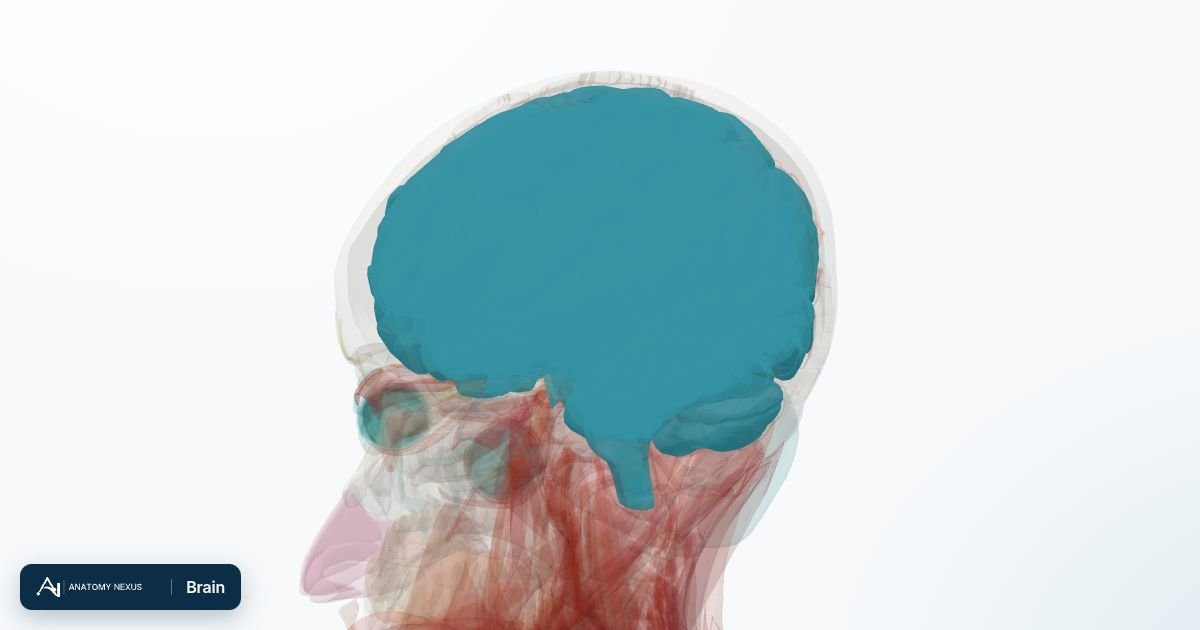
Muscles and metabolism generate heat that blood carries to the skin, where sweat evaporates to shed it; the hypothalamus runs this thermostat. High humidity stops evaporation, dehydration reduces sweat, and once core temperature passes about 40°C proteins begin to denature: brain cells swell, muscle breaks down (releasing myoglobin that clogs the kidneys), and clotting fails. Cooling the large vessels of the neck, armpits and groin, and evaporative cooling with water and fanning, drop core temperature fastest.