



Hypothermia and frostbite
Also known as: exposure, cold injury, frostbite, low body temperature
Hypothermia is a core temperature below 35°C. Shivering fails as it deepens, thinking slows, the heart becomes irritable, and below about 28°C it may stop. Gentle handling, insulation and slow rewarming save lives; rough movement can trigger a fatal rhythm. Frostbite is the freezing of tissue itself, usually fingers, toes, nose and ears.
Emergency
Call emergency services (999 UK · 112 Europe · 911 North America) as soon as you recognise this, or have someone call while you act.
Recognise it
- Mild (32-35°C): shivering, cold pale skin, fast breathing, tiredness, clumsiness, slurred speech
- Moderate (28-32°C): shivering stops, confusion, drowsiness, slow shallow breathing, slow weak pulse, may undress ('paradoxical undressing')
- Severe (below 28°C): unconscious, barely detectable breathing and pulse, dilated pupils, may appear dead
- Frostbite: numb, white or waxy skin that feels hard; blisters and blackening later
- At risk: babies, older people, outdoor exposure with wet clothing or wind, alcohol, immersion in cold water, falls at home in a cold house
What to do
- Move to shelter gentlyGet them out of wind, rain or water, handling them gently and keeping them horizontal if possible. Call emergency services for anything beyond mild hypothermia.
- Remove wet clothing and insulateReplace wet clothes with dry, and wrap in blankets, sleeping bags or foil, including the head; insulate from the ground. Cover but do not rub the skin.
- Rewarm slowlyWarm the trunk first: body-to-body contact, warm (not hot) packs wrapped in cloth to the chest, armpits and neck. Warm sweet drinks if fully alert and able to swallow.
- Monitor breathingCheck breathing for up to a minute in severe cases, because it can be very slow. If not breathing, start CPR and continue: people have survived prolonged cold arrests.
- FrostbiteRemove rings and wet gloves, warm the part against your body or in warm water at about 37-39°C for 30 minutes if there is no risk of refreezing; cover with loose dry dressings between digits, elevate, and seek medical care. Give pain relief; rewarming hurts.
Do not
- Do not rub or massage the skin, and never rub frostbitten areas with snow
- Do not use direct heat (hot water bottles on skin, hot baths, heat lamps), which can cause burns and drives cold blood to the core
- Do not give alcohol, which dilates skin vessels and loses heat
- Do not assume someone cold and still is dead: 'not dead until warm and dead'
- Do not let a frostbitten limb thaw if it may refreeze before reaching care
Get medical help when
- Any hypothermia with confusion, drowsiness, or shivering that has stopped
- Hypothermia in a baby, an older person, or after cold-water immersion
- Frostbite affecting more than the skin surface, or any blistering or blackening
Why it works: the anatomy
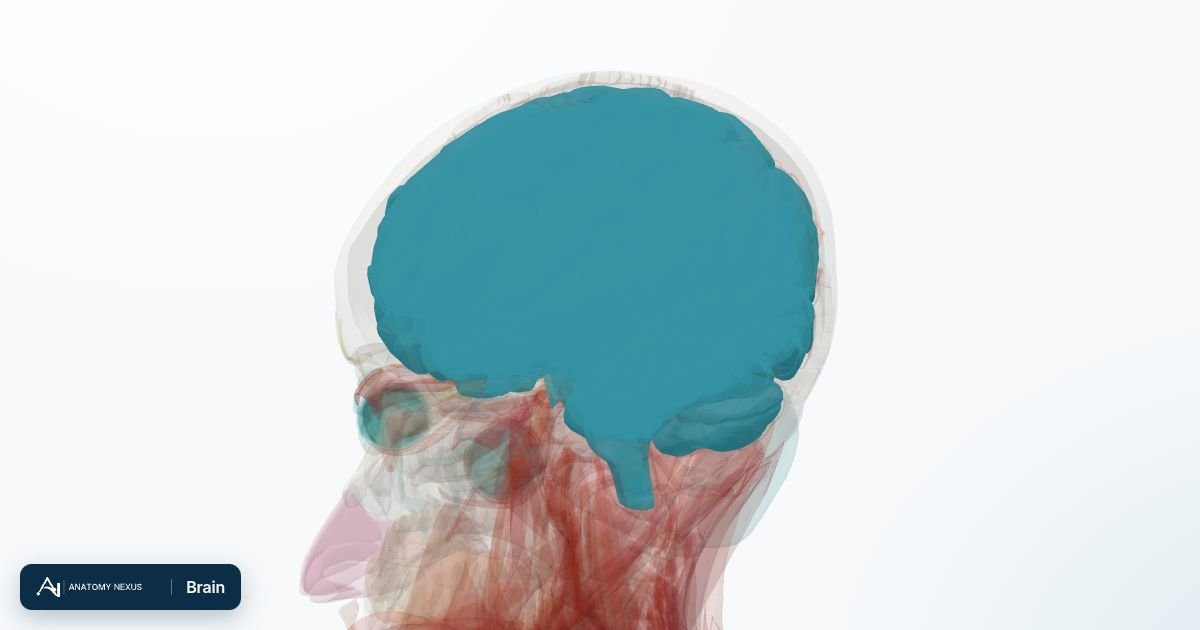
Heat is lost by conduction (wet clothes, cold ground), convection (wind) and radiation; the hypothalamus responds with shivering, which quadruples heat production but needs energy. As the core cools, enzymes slow, nerve conduction fails and the heart's conducting system becomes unstable; a jolt can tip an irritable cold heart into ventricular fibrillation. Warming the trunk first and slowly avoids 'afterdrop', where cold blood from the limbs returns to the core. Frozen tissue forms ice crystals that shear cells and clot small vessels.