



CPR and using a defibrillator
Also known as: cardiopulmonary resuscitation, cardiac arrest, chest compressions, AED, defibrillator, basic life support
When the heart stops, blood stops reaching the brain and brain cells begin to die within minutes. Chest compressions squeeze the heart between the sternum and spine to keep some blood moving; a defibrillator can restart a heart that is quivering (fibrillating) rather than pumping. Starting CPR at once and using an AED within minutes can double or triple survival.
Emergency
Call emergency services (999 UK · 112 Europe · 911 North America) as soon as you recognise this, or have someone call while you act.
Recognise it
- Collapsed, unresponsive to shouting and shaking the shoulders
- Not breathing, or only gasping (agonal gasps are not normal breathing)
- Do not waste time feeling for a pulse
What to do
- Check safety and responseMake sure the scene is safe. Shout and gently shake the shoulders. If there is no response, shout for help.
- Open the airway and check breathingTilt the head back and lift the chin. Look, listen and feel for normal breathing for no more than 10 seconds.
- Call emergency servicesIf not breathing normally, call 999/112 on speaker so your hands are free, and send someone for a public-access defibrillator (AED).
- Start chest compressionsKneel beside the person. Put the heel of one hand on the centre of the chest (lower half of the sternum) and the other hand on top, arms straight. Press down 5-6 cm at 100-120 per minute (the beat of 'Stayin' Alive'), letting the chest recoil fully each time.
- Give rescue breaths if trained and willingAfter 30 compressions, tilt the head, pinch the nose, seal your mouth over theirs and blow steadily for 1 second until the chest rises; give 2 breaths, then 30 more compressions. If unable or unwilling, give continuous compressions only.
- Use the AED as soon as it arrivesTurn it on and follow the voice prompts. Attach the pads to bare skin: one below the right collarbone, one on the left side below the armpit. Let it analyse (nobody touching), press the shock button if told, then immediately resume compressions.
- Keep goingContinue 30:2 (or continuous compressions), swapping rescuers every 2 minutes to avoid tiring, until the person shows signs of life, professionals take over, or you are exhausted. If they start breathing normally, place them in the recovery position and keep watching.
Children and infants
Children and infants: give 5 initial rescue breaths, then 30 compressions to 2 breaths. Compress a third of the chest depth: one hand for a child, two fingers or two thumbs for an infant. If alone, do a minute of CPR before calling.
Do not
- Do not delay compressions to look for a pulse or to fetch equipment yourself
- Do not stop compressions for more than 10 seconds at a time
- Do not be afraid of doing harm: ribs may crack, but no CPR is far worse
- Do not remove AED pads or turn it off once attached
Get medical help when
- Always: any unresponsive person who is not breathing normally is a cardiac arrest until proven otherwise
Why it works: the anatomy
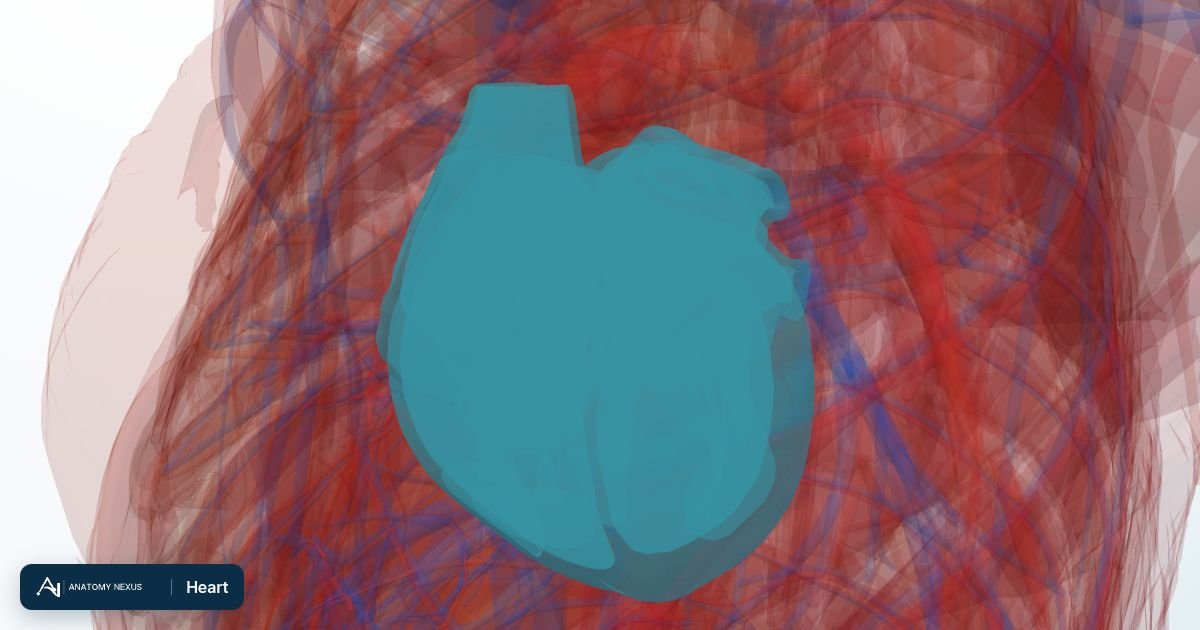
The heart lies behind the lower sternum, and compressing 5-6 cm squeezes blood out through the aortic and pulmonary valves; recoil refills it. Rescue breaths keep some oxygen entering the lungs, but the blood already holds several minutes' supply, which is why compression-only CPR works for bystanders. Ventricular fibrillation, the commonest rhythm at collapse, is a chaotic electrical storm that only a shock can reset, and every minute without a shock cuts survival by about 10%.