



Electric shock
Also known as: electrocution, electrical injury, lightning strike
Electricity passing through the body can stop the heart, paralyse breathing muscles, burn tissue along its path far more deeply than the skin marks suggest, and throw the person against objects. The first rule is not to become the second casualty: break contact safely before touching them.
Emergency
Call emergency services (999 UK · 112 Europe · 911 North America) as soon as you recognise this, or have someone call while you act.
Recognise it
- Person in contact with a live source, unable to let go, or found collapsed near one
- Burns at the entry and exit points (often hand and foot), which may look small
- Unconsciousness, absent or abnormal breathing, irregular pulse
- Muscle pain, numbness, confusion, seizures; injuries from falls or being thrown
- Lightning: linear or feathery burns, ruptured eardrums, temporary paralysis
What to do
- Make it safeLow voltage (household): switch off at the mains or unplug. If you cannot, stand on dry insulating material and push them clear with a wooden broom or chair; do not touch them directly. High voltage (power lines, railways, substations): stay at least 18 metres away and call emergency services; do not approach until the supply is confirmed off.
- Call emergency servicesFor any shock beyond a minor tingle, and always for loss of consciousness, burns, or a high-voltage or lightning injury.
- Check response and breathingIf unresponsive and not breathing normally, start CPR and send for a defibrillator; electrical cardiac arrests respond well to defibrillation.
- Treat burnsCool entry and exit burns with running water for 20 minutes and cover loosely. Look for both points.
- Treat other injuriesSuspect spinal injury if thrown; keep them still. Treat for shock: lie down, keep warm, nothing by mouth.
Do not
- Do not touch someone still in contact with electricity
- Do not use anything wet or metal to move them
- Do not approach high-voltage sources or a downed cable
- Do not assume a small skin burn means a small injury
Get medical help when
- Any electric shock with unconsciousness, burns, chest pain, palpitations, breathing difficulty, or in pregnancy
- All high-voltage and lightning injuries
- Any shock in a child, or any household shock that caused more than a brief tingle (heart rhythm monitoring may be needed)
Why it works: the anatomy
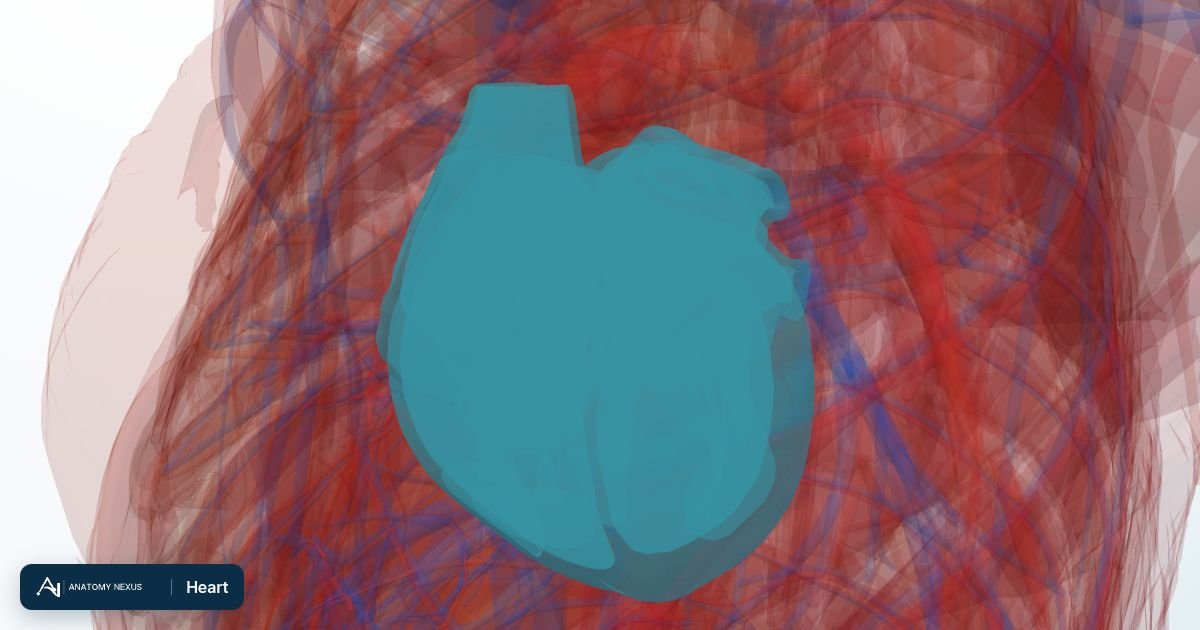
Current follows the path of least resistance through wet, conductive tissues: blood vessels, nerves and muscle. Alternating current at mains frequency causes muscles to contract and hold on, and if the path crosses the chest it can throw the heart into ventricular fibrillation or stop the diaphragm. Heat generated along the path cooks deep tissue, and muscle breakdown can clog the kidneys. Lightning is a direct-current flashover that more often causes cardiac and respiratory arrest than deep burns.