



Atrial fibrillation
Also known as: AF, AFib, irregular heartbeat
A common heart rhythm disorder in which the atria quiver chaotically instead of contracting, producing an irregular and often fast pulse.
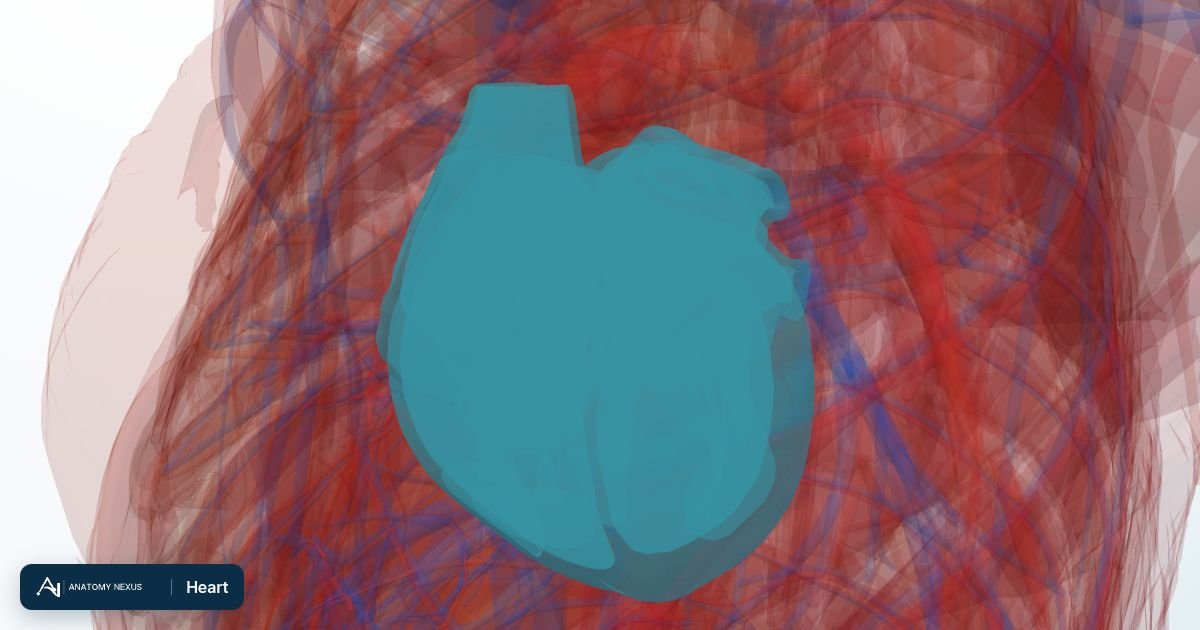
Overview
In atrial fibrillation the sinoatrial node loses control and hundreds of electrical impulses a minute swirl through the atria; the atrioventricular node lets an irregular selection through. Blood stagnates in the fibrillating left atrium and can clot, which is why AF causes one in five strokes.
Causes
- High blood pressure
- Coronary artery disease and heart failure
- Valve disease, especially mitral
- Overactive thyroid
- Alcohol binges
- Lung disease and sleep apnoea
- Often no single cause in older people
Risk factors
- Age over 65
- Obesity
- Diabetes
- Family history
Symptoms
What a clinician may find
- Irregularly irregular pulse
- Pulse deficit (heart rate higher than the wrist pulse)
Complications
- Stroke and systemic embolism
- Heart failure from a persistently fast rate
- Falls and fainting
Diagnosis
An ECG shows no P waves and an irregular rhythm. Brief episodes are caught with a Holter or patch monitor or a wearable. Echocardiography looks for valve disease and atrial size; blood tests check thyroid function.
Treatment
Two decisions: control the rate (beta blockers, calcium-channel blockers, digoxin) or restore rhythm (cardioversion, antiarrhythmic drugs, catheter ablation), and prevent stroke with an anticoagulant when the risk score justifies it. Treat the underlying causes.
Prevention
Control blood pressure, weight, alcohol and sleep apnoea; keep active.
When to seek care
Urgent care for palpitations with chest pain, fainting or severe breathlessness, and emergency services for any stroke symptoms.