Drug class · Veins

Anticoagulants

Also known as: blood thinners, DOACs, vitamin K antagonists

Medicines that slow the clotting cascade to prevent and treat clots in veins and the heart: strokes in atrial fibrillation, deep vein thrombosis and pulmonary embolism.

Open in the 3D explorerHeart anatomy
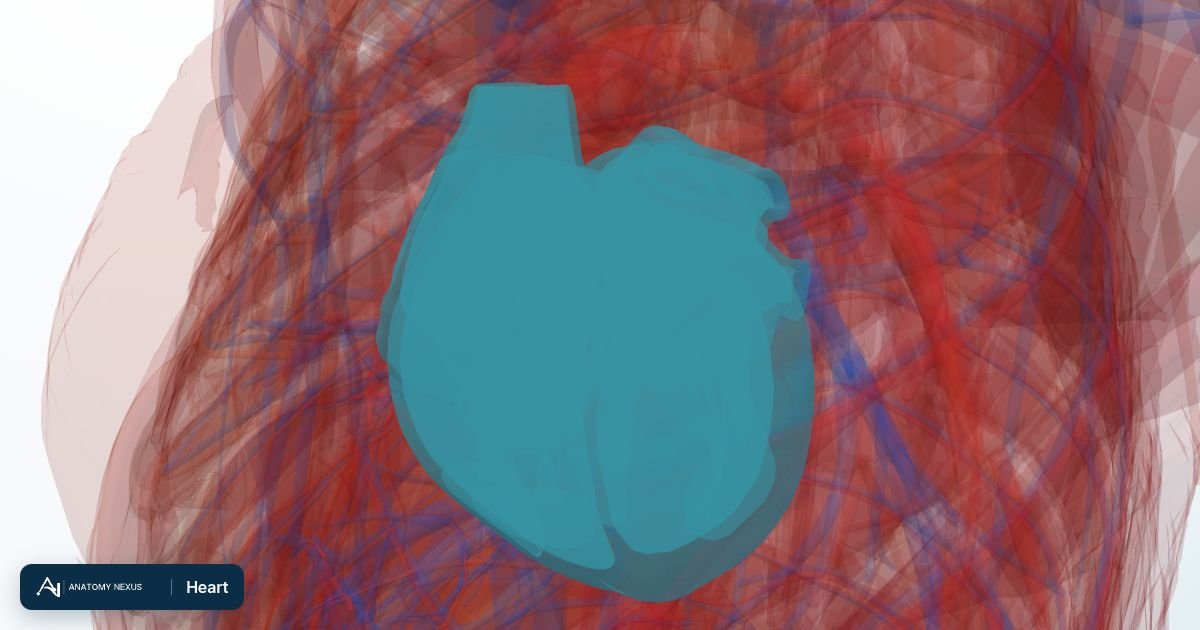
3D model of the Heart in the Anatomy Nexus anatomy atlas
Interactive 3D model: Heart. Orbit, zoom and click the structures.Load the 3D model
Biological target
Factor Xa, Vitamin K epoxide reductase (VKORC1)
Also called
blood thinners, DOACs, vitamin K antagonists

Mechanism of action

Direct oral anticoagulants block a single clotting enzyme: factor Xa (apixaban, rivaroxaban, edoxaban) or thrombin (dabigatran), with a predictable effect that needs no blood-level monitoring. Warfarin instead starves the liver of usable vitamin K, so factors II, VII, IX and X are made in inactive form; its effect builds over days and varies with diet and other drugs, so the INR test tunes the dose. Heparins, given by injection, activate antithrombin and are used in hospital and pregnancy.

Members of the class

apixabanrivaroxabanedoxabandabigatranwarfarinenoxaparindalteparin

Members with a page on this site are linked.

Conditions treated

Class effects

  • Bruising, nosebleeds, heavier periods
  • Bleeding from the gut or, rarely, into the brain

Cautions

  • Avoid NSAIDs and aspirin unless specifically advised
  • Doses adjusted for kidney function, weight and age
  • Stopped before surgery on a plan; missed DOAC doses lose protection within a day
  • Warfarin needs a steady vitamin K intake and INR checks

Class warnings

  • Bleeding is the shared major hazard; signs such as blood in urine or stools, prolonged nosebleeds, coughing or vomiting blood, severe headache or unusual bruising need urgent assessment. Interacting drugs, kidney impairment and older age raise the risk. UK
  • Warfarin needs regular INR monitoring and is affected by diet, alcohol, illness and many medicines; DOACs are dosed by kidney function, weight and age and need periodic renal function checks. UK

Class interactions

WithEffectSource
NSAIDs and aspirinAdditive bleeding risk, particularly gastrointestinal; avoided unless specifically indicated. UK
Antiplatelets (clopidogrel, ticagrelor) and SSRIsIncreased bleeding risk; combinations are used only under specialist direction. UK
Strong CYP3A4 and P-glycoprotein inhibitors or inducers (azole antifungals, some HIV medicines, rifampicin, carbamazepine, St John's wort)Raise or lower DOAC levels substantially; some combinations are avoided. UK
Many antibiotics and antifungals (with warfarin)Raise the INR by altering vitamin K-producing gut flora or inhibiting metabolism; extra INR checks. UK

Interaction records that name this class

Aspirin + Anticoagulants (class)

MajorSpecialist supervision or close monitoring

Aspirin with any anticoagulant (warfarin, apixaban, rivaroxaban, edoxaban, dabigatran, heparins) increases bleeding.

Why it can occur
additive bleeding risk
What official information says
The BNF advises that the combination increases the risk of bleeding and is used only when specifically indicated.
What to discuss with a clinician
Combined only for a specific indication under specialist direction.
What may be monitored
Signs of bleeding · Haemoglobin
Basis of the status
BNF: Aspirin interactions (increased risk of bleeding with anticoagulants)
Sources
BNF: Aspirin interactions (Interactions) UK
NHS: Aspirin (Low-dose aspirin · Taking it with other medicines and herbal supplements) UK
Review
Facts checked against the cited sources; not yet clinically reviewed · last reviewed 12 September 2026

Ibuprofen + Anticoagulants (class)

Contraindicated or avoidOfficial guidance: avoid the combination

Ibuprofen with any anticoagulant increases bleeding, particularly from the stomach.

Why it can occur
additive bleeding risk
What official information says
The BNF advises avoiding NSAIDs with anticoagulants because of increased bleeding risk.
What to discuss with a clinician
Official guidance: avoid; paracetamol preferred.
What may be monitored
Signs of bleeding
Basis of the status
BNF: Ibuprofen interactions (increased risk of bleeding with anticoagulants; avoid)
Sources
BNF: Ibuprofen interactions (Interactions) UK
NHS: Ibuprofen for adults (Taking it with other medicines and herbal supplements) UK
Review
Facts checked against the cited sources; not yet clinically reviewed · last reviewed 12 September 2026
Therapeutic duplication. Two anticoagulants together (for example warfarin with a DOAC outside a supervised switch) multiply bleeding risk and are avoided. UK

Open the Drug Interaction Checker

Educational content. A drug class page describes what a family of medicines has in common. Individual medicines differ in dose, licensing and interactions; treatment choices belong to a prescriber.