



Pulmonary embolism
Also known as: PE, blood clot in the lung
Blockage of a pulmonary artery by a clot that has travelled from a vein, usually in the leg or pelvis.
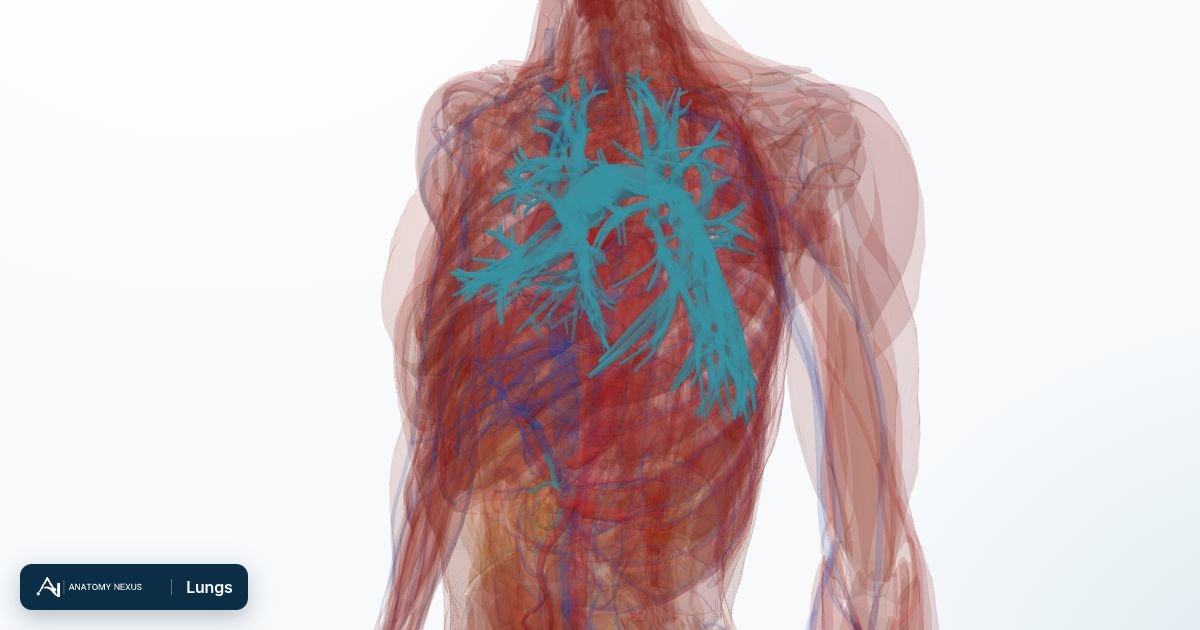
Overview
A pulmonary embolism cuts off blood flow to part of the lung: the affected segment is ventilated but not perfused, oxygen levels fall and the right ventricle strains against the obstruction. Small emboli cause pleuritic pain and breathlessness; a large one can cause collapse and death within minutes.
Causes
- Deep vein thrombosis of the leg or pelvis
- Rarely fat, air or amniotic fluid emboli
Risk factors
- Recent surgery or immobility
- Cancer
- Pregnancy and the postpartum period
- Oestrogen-containing medicines
- Previous clots or inherited thrombophilia
- Obesity, smoking, long-haul travel
Symptoms
What a clinician may find
- Fast breathing and pulse
- Low oxygen saturation
- Signs of DVT in a leg
- Low blood pressure in massive PE
Complications
- Collapse and cardiac arrest
- Right heart failure
- Chronic pulmonary hypertension
Diagnosis
Probability scoring and D-dimer, then CT pulmonary angiography to show the clot; ventilation-perfusion scanning in pregnancy or kidney disease. ECG and echocardiography assess strain on the right heart.
Treatment
Immediate anticoagulation (low-molecular-weight heparin, then a direct oral anticoagulant or warfarin for three to six months or longer); clot-dissolving drugs or catheter removal for massive PE with shock; oxygen and support.
Prevention
DVT prevention: early mobilisation, prophylactic injections in hospital, compression stockings, keeping moving on long journeys.
When to seek care
Emergency services for sudden breathlessness, chest pain on breathing, coughing blood or collapse, especially with a swollen leg or recent surgery.