



Symptom · Head
Dizziness
Also known as: light-headedness, vertigo, faintness
An umbrella word for several sensations: vertigo (the room spins, an inner-ear or brain problem), light-headedness (about to faint, usually a blood-flow problem), imbalance, and vague woozy feelings. Sorting out which one the person means is the first step.
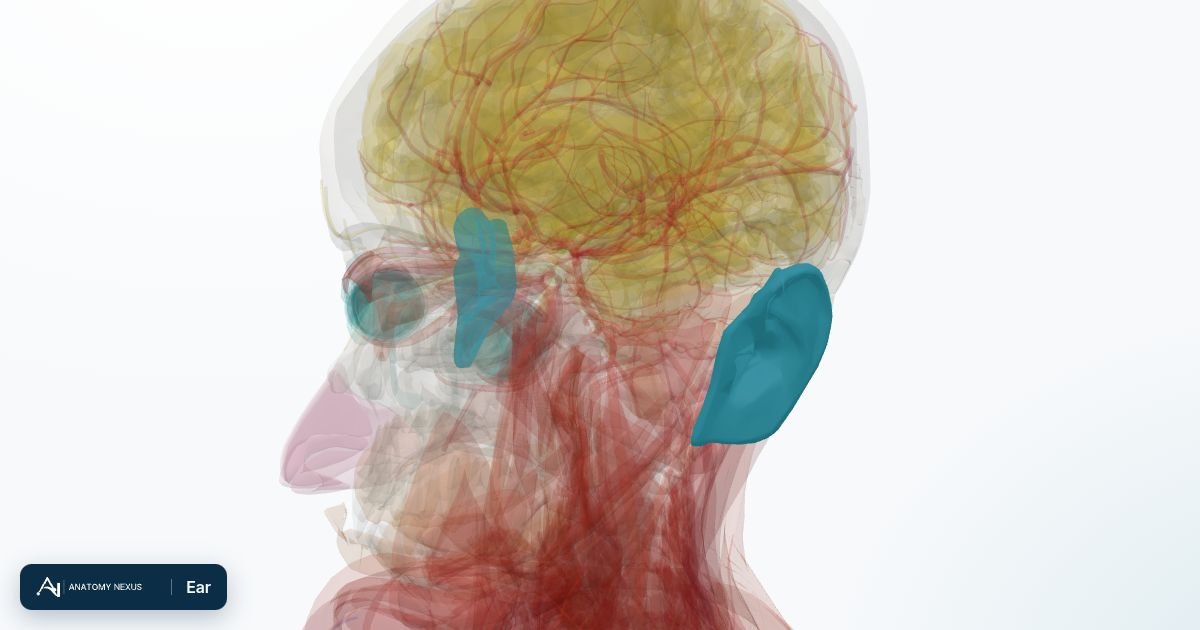
What it is
An umbrella word for several sensations: vertigo (the room spins, an inner-ear or brain problem), light-headedness (about to faint, usually a blood-flow problem), imbalance, and vague woozy feelings. Sorting out which one the person means is the first step.
Common causes
Benign paroxysmal positional vertigoBrief spinning triggered by rolling over or looking up, from loose crystals in the inner ear.
Vestibular neuritis and labyrinthitisDays of constant vertigo with nausea after a viral infection.
Postural (orthostatic) hypotensionLight-headedness on standing, common with dehydration, blood pressure tablets and age.
MigraineVertigo can occur with or without headache.
Anxiety and hyperventilationFloating, unreal feelings with rapid breathing.
Medication side effects and alcoholSedatives, blood pressure drugs and anticonvulsants are frequent culprits.
Less common causes
Stroke or TIA in the brainstem or cerebellumSudden vertigo with double vision, slurred speech, weakness or inability to walk.
Heart rhythm problemsDizziness with palpitations or blackouts.
Meniere's diseaseAttacks of vertigo with hearing loss, ringing and ear fullness.
Anaemia, low blood sugar or heart valve diseaseFaintness on exertion.
Often occurs with
Seek urgent care if
- Dizziness with new weakness, numbness, slurred speech, double vision or difficulty walking
- Dizziness with chest pain, palpitations or a blackout
- Dizziness with a severe headache or after a head injury
- Vertigo with sudden hearing loss
Conditions to read about
How it is investigated
Educational content. This page explains what a symptom can mean so that the anatomy and the medical reasoning make sense. It cannot tell you what is causing yours: only a clinician who can examine you and order tests can do that.