



Poisoning and overdose
Also known as: overdose, swallowed poison, carbon monoxide, drug overdose, naloxone
A poison is anything taken in a quantity that harms: medicines (paracetamol, opioids, antidepressants), household chemicals, plants, carbon monoxide, alcohol and recreational drugs. Symptoms may be delayed by hours, so the danger cannot be judged by how the person looks. The first-aid tasks are to remove the source, keep the airway safe, and get expert advice quickly with the container in hand.
Emergency
Call emergency services (999 UK · 112 Europe · 911 North America) as soon as you recognise this, or have someone call while you act.
Recognise it
- Vomiting, drowsiness, confusion, agitation, seizures, unusual breathing (very slow with opioids), small or large pupils
- Burns around the mouth with corrosives; a chemical smell; empty packets or bottles
- Carbon monoxide: headache, dizziness, nausea, 'flu without fever', in several people in the same building, with gas appliances or engines running indoors
- Paracetamol overdose often causes no symptoms for 24 hours, then liver failure
What to do
- Make it safe and get helpRemove them from fumes into fresh air (protect yourself first). Call emergency services if drowsy, breathing abnormally, fitting, or after any deliberate overdose; otherwise call the poisons information line or emergency services for advice.
- Find out what, how much and whenKeep the container, packets, plant or vomit for identification. Note the time.
- Swallowed chemicalsWipe the mouth. Sips of water or milk only if a corrosive was swallowed and they are alert. Do not make them vomit.
- Chemicals on skin or in eyesRemove contaminated clothing; flush skin with running water for 20 minutes; rinse an eye with running water for 20 minutes, from the nose outward.
- Opioid overdoseIf breathing is slow or absent with pinpoint pupils, give naloxone if you have it (nasal spray or injection), call emergency services, and support breathing: rescue breaths, or CPR if no normal breathing.
- Unconscious but breathingRecovery position; monitor breathing continuously as it can stop. Not breathing: CPR (use a face shield for rescue breaths if chemicals are involved).
Do not
- Do not induce vomiting: corrosives burn twice and vomit can enter the lungs
- Do not give anything to eat or drink unless advised (except sips of water for corrosives)
- Do not assume a person who took paracetamol and feels fine is safe: treatment must start within 8 hours to be fully effective
- Do not leave them alone, and do not let them 'sleep it off' after an overdose
Get medical help when
- Any deliberate overdose, any child who has swallowed medicine or chemicals, any opioid overdose
- Drowsiness, abnormal breathing, seizures, chest pain, or suspected carbon monoxide
- Any paracetamol overdose, even without symptoms
Why it works: the anatomy
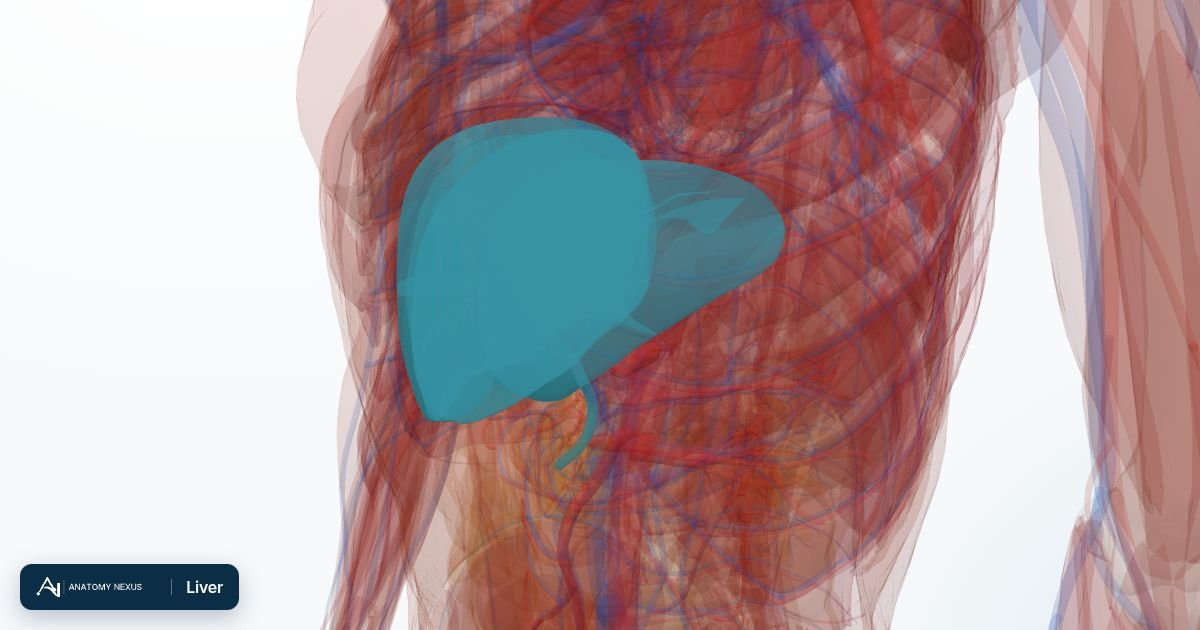
Most poisons are absorbed through the small intestine and processed by the liver; paracetamol overwhelms the liver's glutathione and its toxic metabolite kills liver cells over days, which acetylcysteine prevents if given early. Opioids act on the brainstem's breathing centre; naloxone displaces them from the receptors within minutes but wears off before the opioid does. Carbon monoxide binds haemoglobin 200 times more tightly than oxygen, starving tissues while the oximeter reads falsely normal.