



Symptom · Abdomen
Vomiting
Also known as: being sick, emesis, throwing up
Forceful emptying of the stomach through the mouth, a protective reflex run by the brainstem that closes the airway, tenses the abdominal wall and reverses the direction of gut contractions. A day or two of vomiting is usually harmless; persistent, bloody or painful vomiting is not.
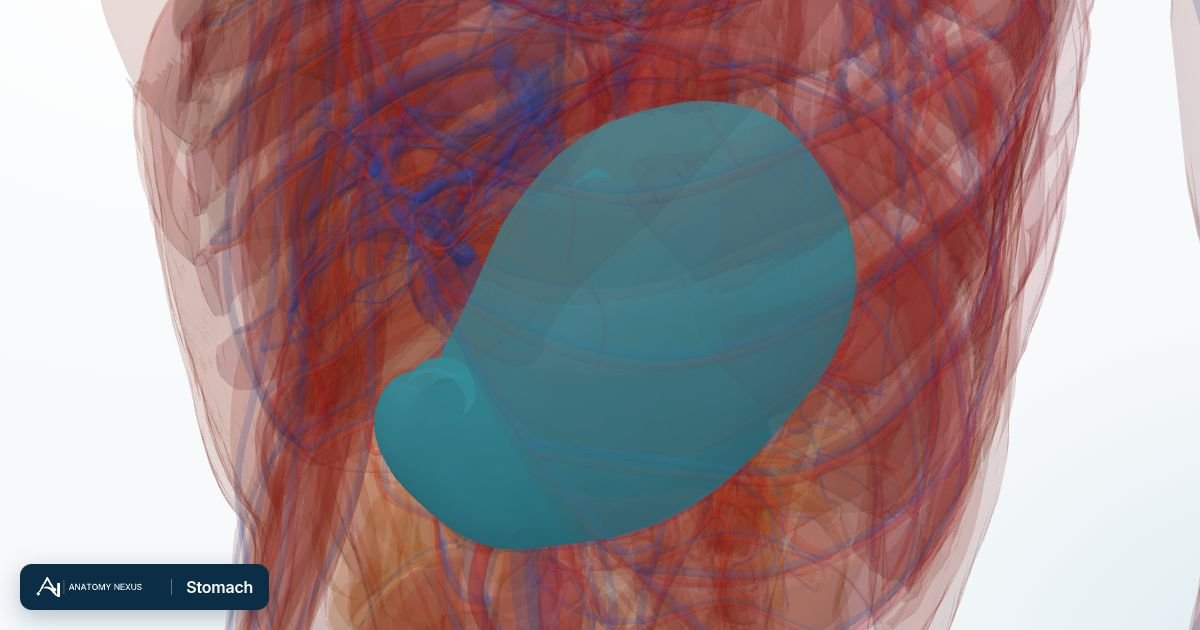
What it is
Forceful emptying of the stomach through the mouth, a protective reflex run by the brainstem that closes the airway, tenses the abdominal wall and reverses the direction of gut contractions. A day or two of vomiting is usually harmless; persistent, bloody or painful vomiting is not.
Common causes
GastroenteritisViral (norovirus, rotavirus) or bacterial; sudden onset, often with diarrhoea.
Food poisoningHours after a meal, often affecting several people.
Migraine
PregnancyHyperemesis when severe.
Alcohol excess and medication
Reflux and gastric outlet problemsVomiting undigested food some time after eating.
Less common causes
Bowel obstructionGreen (bile-stained) or faeculent vomit with pain and distension.
Appendicitis, pancreatitis, cholecystitisVomiting with localised pain.
Bleeding from the stomach or oesophagusVomiting blood or material like coffee grounds.
Head injury, meningitis, raised intracranial pressureVomiting with headache, drowsiness or after trauma.
Diabetic ketoacidosisVomiting with thirst, deep breathing and drowsiness in a diabetic.
Pyloric stenosis in infantsProjectile vomiting in the first weeks of life.
Often occurs with
Seek urgent care if
- Vomiting blood or black material like coffee grounds
- Green or faecal-smelling vomit with a swollen painful abdomen
- Vomiting after a head injury, or with severe headache, stiff neck or confusion
- Signs of dehydration: very dark urine or none for 8 hours, dizziness on standing, confusion; in babies a sunken soft spot and few wet nappies
- Vomiting for more than two days, or any vomiting in a baby under three months
Conditions to read about
How it is investigated
Educational content. This page explains what a symptom can mean so that the anatomy and the medical reasoning make sense. It cannot tell you what is causing yours: only a clinician who can examine you and order tests can do that.