



Symptom · Whole body
Fever
Also known as: high temperature, pyrexia
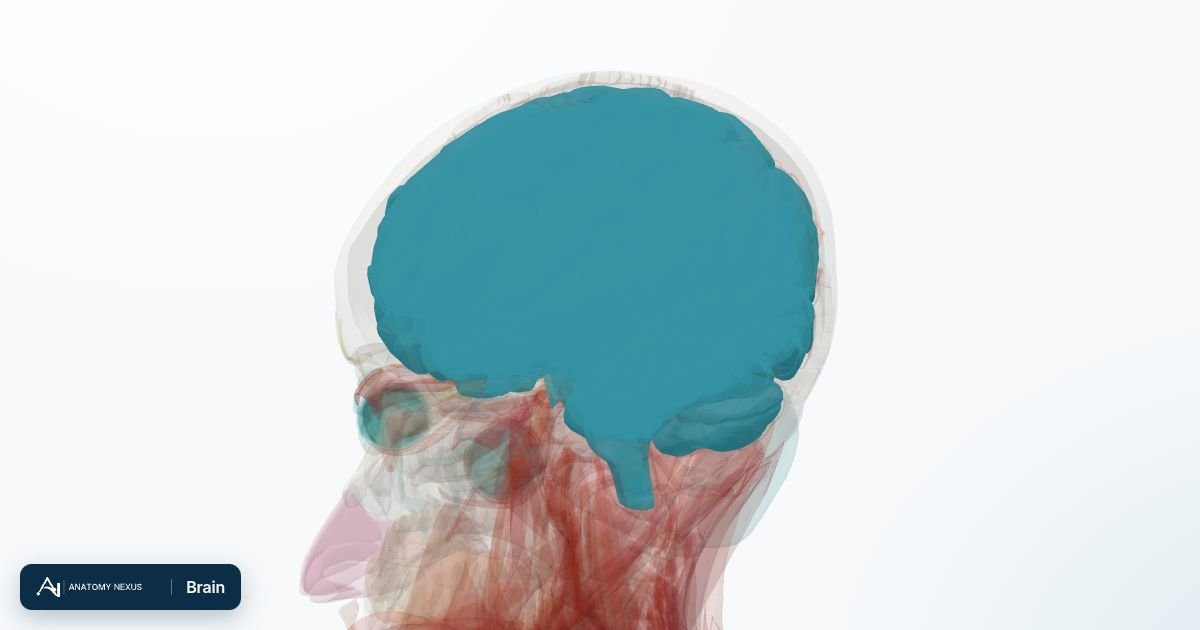
A body temperature of 38 °C (100.4 °F) or more, produced when the hypothalamus raises its set point in response to inflammatory signals, most often from infection. Fever is a response, not a disease, and it helps the immune system; the cause and the person's overall condition matter more than the number.
What it is
A body temperature of 38 °C (100.4 °F) or more, produced when the hypothalamus raises its set point in response to inflammatory signals, most often from infection. Fever is a response, not a disease, and it helps the immune system; the cause and the person's overall condition matter more than the number.
Common causes
Viral infectionsColds, flu, COVID-19, glandular fever; usually with sore throat, cough or aches.
Bacterial infectionsTonsillitis, ear infection, chest infection, urinary infection, cellulitis, dental abscess.
Gastroenteritis
Vaccination reactionsMild, brief fever within a day or two.
Childhood viral illnessesRoseola, hand-foot-and-mouth and many others.
Less common causes
SepsisInfection overwhelming the body: fast breathing, fast pulse, confusion, mottled skin, low urine output.
MeningitisFever with headache, stiff neck, light sensitivity, a non-blanching rash.
Pneumonia, pyelonephritis, endocarditis, abscessesDeep-seated bacterial infections.
Tropical infectionsMalaria, dengue and typhoid after travel.
Non-infectious causesInflammatory diseases, some cancers (lymphoma), drug reactions, heat stroke.
Often occurs with
Seek urgent care if
- Fever with a rash that does not fade when a glass is pressed on it, a stiff neck, or severe headache
- Fever with fast breathing, chest pain, confusion, drowsiness or mottled cold skin
- Fever in a baby under three months (38 °C or more) or under six months (39 °C or more)
- Fever with a seizure, or in someone on chemotherapy or with a weakened immune system
- Fever after travel to a malaria area
- A temperature above 40 °C, or fever lasting more than five days
Conditions to read about
How it is investigated
Educational content. This page explains what a symptom can mean so that the anatomy and the medical reasoning make sense. It cannot tell you what is causing yours: only a clinician who can examine you and order tests can do that.