Medication · Pain & analgesia · full clinical detail

Ibuprofen

A non-steroidal anti-inflammatory (NSAID) that eases pain, inflammation and fever by blocking prostaglandin production; effective but hard on the stomach and kidneys if overused.

Open in the 3D explorerStomach anatomyCheck interactions
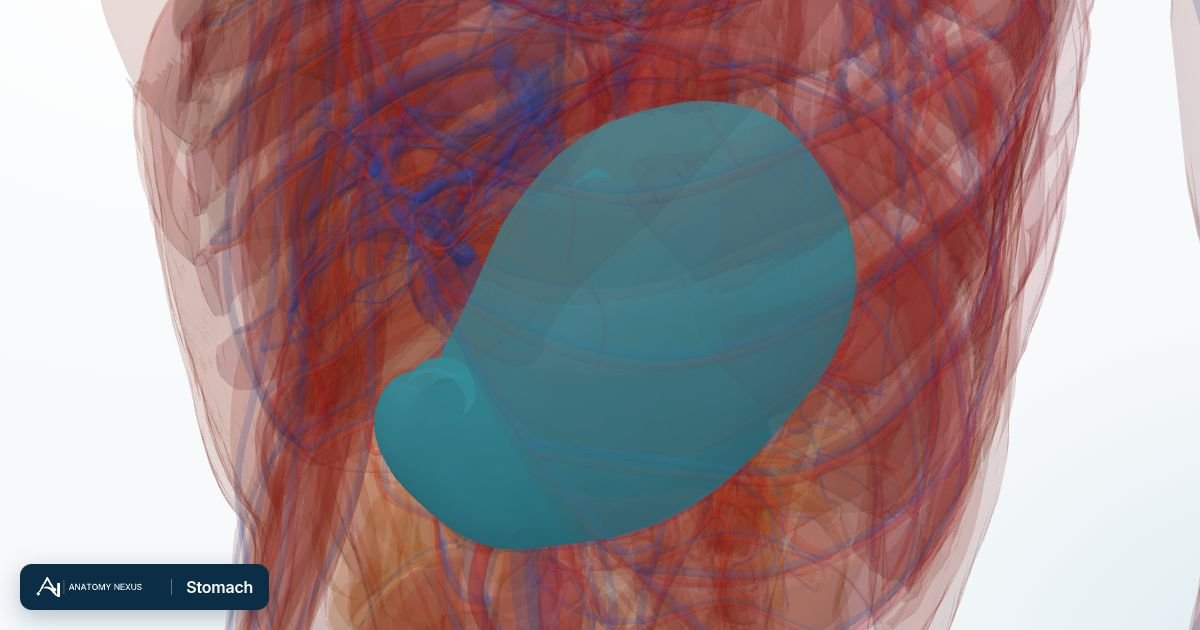
3D model of the Stomach in the Anatomy Nexus anatomy atlas
Interactive 3D model: Stomach. Orbit, zoom and click the structures.Load the 3D model
Generic name
Ibuprofen
Active ingredient
Ibuprofen (variants: ibuprofen lysine)
Product type
Small-molecule medicine
Drug class
NSAIDs
Brand names
UK Nurofen, Brufen, Calprofen, Cuprofen · US Advil, Motrin, Motrin IB · EU Nurofen, Brufen, Dolormin, Spedifen
Routes
Oral, Topical, Intravenous (Oral (tablets, capsules, liquid); topical gel; intravenous in hospital)
Dosage forms
Tablet, Capsule, Suspension, Gel, Infusion
Forms
Tablets 200-400 mg, liquid for children, topical gel for local joint and muscle pain (fewer side effects)
Onset and duration
30-60 minutes; lasts 4-6 hours.
Terminology
RxNorm RxCUI 5640 · ATC M01AE01 · FDA EPC Nonsteroidal Anti-inflammatory Drug [EPC]

Availability by country

CountryStatusNoteSource
UKOver the counter200 mg tablets and gels in general retail UK
UKPharmacy or behind the counter400 mg tablets from pharmacies UK
UKPrescription onlyHigher strengths and modified-release forms UK
USOver the counter200 mg US
USPrescription onlyHigher strengths US

Legal status differs between countries and can change; each row cites the document it was taken from and applies only to the country named.

Common use
Rheumatoid arthritis, Osteoarthritis
Drug class
NSAIDs
Target system
Joints & ligaments, Muscles, Digestive
How it works
Ibuprofen blocks the enzymes that make prostaglandins, the chemical messengers that make injured tissue painful, swollen and hot and that raise your temperature in fever. With fewer prostaglandins there is less pain, swelling and fever. The same messengers protect the stomach and keep blood flowing to the kidneys, which is why ibuprofen can upset the stomach and strain the kidneys.
Route
Oral (tablets, capsules, liquid); topical gel; intravenous in hospital

Uses

Licensed indications

UseStatusCountry · sourceNote
Mild to moderate pain including dysmenorrhoea, dental pain, migraine and postoperative pain; feverLicensedUK UK
Rheumatoid arthritisLicensedUK UKPain and inflammation in rheumatic disease and other musculoskeletal disorders
OsteoarthritisLicensedUK UKPain and inflammation of osteoarthritis; topical gel for localised joint pain
OsteoarthritisLicensedUS USPrescription ibuprofen for osteoarthritis and rheumatoid arthritis, mild to moderate pain and dysmenorrhoea; non-prescription for pain, fever and minor aches

Other clinically supported uses

UseStatusCountry · sourceNote
OsteoarthritisGuideline-supportedUK UKNICE: topical NSAID first for knee osteoarthritis; oral NSAID at the lowest effective dose for the shortest time, with gastroprotection where needed
GoutGuideline-supportedUK UKNICE: an NSAID, colchicine or a short course of oral corticosteroid for a gout flare, chosen by the person's comorbidities

Licensed indications come from the product licence in the named country; guideline-supported and off-label uses are cited to the guideline that supports them. Licensing differs between countries.

How it works

Ibuprofen blocks the enzymes that make prostaglandins, the chemical messengers that make injured tissue painful, swollen and hot and that raise your temperature in fever. With fewer prostaglandins there is less pain, swelling and fever. The same messengers protect the stomach and keep blood flowing to the kidneys, which is why ibuprofen can upset the stomach and strain the kidneys.

Blocks the cyclo-oxygenase enzymes COX-1 and COX-2, cutting production of prostaglandins, the local messengers that sensitise pain nerves, widen vessels in inflamed tissue and reset the brain's thermostat in fever. The same prostaglandins protect the stomach lining and keep blood flowing through the kidneys, which explains the main harms.

Mechanism of action

Ibuprofen is a propionic acid NSAID that reversibly and non-selectively inhibits COX-1 and COX-2, reducing synthesis of prostaglandins and thromboxane from arachidonic acid. COX-2 inhibition at sites of inflammation reduces PGE2-mediated nociceptor sensitisation, vasodilation and oedema, and central COX inhibition lowers the hypothalamic set-point in fever. COX-1 inhibition in the gastric mucosa reduces protective mucus and bicarbonate and mucosal blood flow (dyspepsia, ulceration, bleeding), in the kidney reduces the prostaglandins that maintain afferent arteriolar dilatation when renal perfusion is threatened (acute kidney injury in dehydration or with ACE inhibitors, ARBs and diuretics), and in platelets transiently impairs aggregation. Ibuprofen occupying platelet COX-1 can also block the access of aspirin to its acetylation site, blunting aspirin's cardioprotective effect when the two are taken together. All NSAIDs carry a dose- and duration-related increase in thrombotic cardiovascular events; ibuprofen at 1200 mg daily or less appears to carry the lowest risk.

Pathway

  1. Ibuprofen
  2. Non-steroidal anti-inflammatory drug
  3. Cyclo-oxygenase 1 and 2
  4. Inflamed tissue, hypothalamus, stomach lining, kidney
  5. Less prostaglandin made
  6. Less pain sensitisation, swelling and fever
  7. Relief of inflammatory pain
  8. Same mechanism: stomach irritation and reduced kidney blood flow

What it acts on

Body systems affected

Side effects

Common

  • Indigestion, nausea
  • Fluid retention, raised blood pressure

Serious: seek help

  • Stomach and duodenal ulcers with bleeding or perforation, especially over 65, with steroids, aspirin or anticoagulants
  • Acute kidney injury, particularly when dehydrated or with ACE inhibitors and diuretics ('triple whammy')
  • Heart attack and stroke risk rises with high doses and prolonged use, most with diclofenac and COX-2 inhibitors
  • Worsening asthma in sensitive people; allergic reactions

Source: NHS: Ibuprofen for adults. Frequencies follow the source's categories; no percentages are invented.

Serious safety information

  • Boxed warning (US). US labelling carries a boxed warning for all NSAIDs: an increased risk of serious cardiovascular thrombotic events (heart attack and stroke), which rises with dose and duration, and of serious gastrointestinal bleeding, ulceration and perforation, which can occur without warning symptoms. NSAIDs are contraindicated for pain around coronary bypass surgery. US
  • Special warning. Gastrointestinal bleeding and ulceration: UK information advises stopping ibuprofen and seeking urgent help for black stools, vomiting blood or severe stomach pain; risk rises with age, previous ulcers, alcohol and combination with aspirin, anticoagulants, SSRIs or steroids. UK
  • Special warning. Cardiovascular events: all NSAIDs slightly increase the risk of heart attack and stroke, most at high doses over long periods; ibuprofen at up to 1200 mg a day carries the lowest risk, and people with heart disease or risk factors should use it only when needed. UK
  • Special warning. Asthma: ibuprofen can provoke bronchospasm in people whose asthma has been worsened by aspirin or NSAIDs before. UK

Warnings and precautions

  • Kidney. Acute kidney injury can develop when ibuprofen is taken while dehydrated or with ACE inhibitors, ARBs or diuretics; avoid in severe kidney impairment and use the lowest dose for the shortest time in the elderly. UK
  • Pregnancy. Not recommended in pregnancy unless a doctor advises, and avoided from 20 weeks (US labelling) and particularly from 30 weeks (UK), because NSAIDs can affect the baby's kidneys, the amniotic fluid and the ductus arteriosus. UK

Contraindications

FactorDetailStrengthCountry · source
Active or previous gastrointestinal bleeding or perforation related to NSAIDsContraindicated with a history of gastrointestinal bleeding or perforation caused by an NSAID, or active or recurrent peptic ulceration.absoluteUK UK
Severe heart failureContraindicated in severe heart failure; used with caution and at low dose in milder heart failure because of fluid retention.absoluteUK UK
Hypersensitivity to aspirin or NSAIDsContraindicated after asthma, angioedema, urticaria or rhinitis triggered by aspirin or another NSAID.absoluteUK UK
Third trimester of pregnancyContraindicated in the third trimester (premature closure of the ductus arteriosus, fetal kidney effects, delayed labour).absoluteUK UK
Severe renal or hepatic impairmentAvoid in severe renal or hepatic failure.absoluteUK UK

"Absolute" and "relative" follow the wording of the cited source; where the source does not classify, the cell is blank.

Interactions

Check interactions

Taking Ibuprofen with other medicines? Add them to the checker to see what the official sources say about each pair: the mechanism, general management and monitoring, never a bare "safe".

Check Ibuprofen interactions

Interactions documented in the official sources cited on each card. The list covers the medicines represented on this site and is not exhaustive; how the interaction data is compiled.

Other medicines

Ibuprofen + Aspirin

Contraindicated or avoidOfficial guidance: avoid the combination

Ibuprofen and other NSAIDs add to aspirin's stomach irritation and bleeding risk, and ibuprofen taken before low-dose aspirin can block its protective antiplatelet effect.

Why it can occur
additive bleeding risk · Ibuprofen occupies platelet COX-1 and prevents aspirin's irreversible acetylation
What official information says
UK information advises not taking ibuprofen with similar painkillers such as aspirin without talking to a pharmacist or doctor.
What to discuss with a clinician
Official UK information: avoid unless a pharmacist or doctor advises; paracetamol is the usual alternative painkiller for people on low-dose aspirin.
What may be monitored
Signs of gastrointestinal bleeding
Context
Onset: Hours to days
Basis of the status
NHS: Taking ibuprofen with other medicines (do not take with aspirin or naproxen without advice)
Sources
NHS: Ibuprofen for adults (Taking it with other medicines and herbal supplements) UK
NHS: Aspirin (Low-dose aspirin · Taking it with other medicines and herbal supplements) UK
BNF: Aspirin interactions (Interactions) UK
Review
Facts checked against the cited sources; not yet clinically reviewed · last reviewed 12 September 2026

Ibuprofen + Warfarin

Contraindicated or avoidOfficial guidance: avoid the combination

Ibuprofen with warfarin increases the risk of serious bleeding, particularly from the stomach, and can raise the INR.

Why it can occur
additive bleeding risk · Gastric mucosal injury and reversible antiplatelet effect on top of anticoagulation
What official information says
UK information for warfarin advises not taking ibuprofen or aspirin unless a doctor has said it is safe; the BNF advises avoiding the combination.
What to discuss with a clinician
Official UK guidance: avoid; paracetamol is the usual alternative. If unavoidable, INR and bleeding are monitored closely.
What may be monitored
INR · Signs of bleeding
Context
Onset: Days
Basis of the status
BNF: Ibuprofen interactions (increased risk of bleeding with warfarin; avoid)
Sources
NHS: Ibuprofen for adults (Taking it with other medicines and herbal supplements) UK
BNF: Ibuprofen interactions (Interactions) UK
NHS: Warfarin (Taking it with other medicines and herbal supplements · Medicines that interact with warfarin) UK
Review
Facts checked against the cited sources; not yet clinically reviewed · last reviewed 12 September 2026

Ibuprofen + Apixaban and DOACs

Contraindicated or avoidOfficial guidance: avoid the combination

Ibuprofen with apixaban or another direct oral anticoagulant increases bleeding risk.

Why it can occur
additive bleeding risk
What official information says
UK information for apixaban advises not taking NSAIDs such as ibuprofen unless a doctor has prescribed them.
What to discuss with a clinician
Official UK information: avoid unless prescribed; paracetamol preferred.
What may be monitored
Signs of bleeding
Basis of the status
NHS: Taking apixaban with other medicines (do not take NSAIDs unless prescribed)
Sources
NHS: Apixaban (Taking it with other medicines and herbal supplements · Medicines that interact with apixaban) UK
BNF: Apixaban interactions (Interactions) UK
NHS: Ibuprofen for adults (Taking it with other medicines and herbal supplements) UK
Review
Facts checked against the cited sources; not yet clinically reviewed · last reviewed 12 September 2026

Ibuprofen + Anticoagulants (class)

Contraindicated or avoidOfficial guidance: avoid the combination

Ibuprofen with any anticoagulant increases bleeding, particularly from the stomach.

Why it can occur
additive bleeding risk
What official information says
The BNF advises avoiding NSAIDs with anticoagulants because of increased bleeding risk.
What to discuss with a clinician
Official guidance: avoid; paracetamol preferred.
What may be monitored
Signs of bleeding
Basis of the status
BNF: Ibuprofen interactions (increased risk of bleeding with anticoagulants; avoid)
Sources
BNF: Ibuprofen interactions (Interactions) UK
NHS: Ibuprofen for adults (Taking it with other medicines and herbal supplements) UK
Review
Facts checked against the cited sources; not yet clinically reviewed · last reviewed 12 September 2026

Ibuprofen + NSAIDs (class)

Contraindicated or avoidOfficial guidance: avoid the combinationtherapeutic duplication

Taking ibuprofen with another NSAID (naproxen, diclofenac, celecoxib, high-dose aspirin) adds stomach, kidney and heart harm without extra pain relief.

Why it can occur
additive bleeding risk
What official information says
UK information advises not taking ibuprofen with similar painkillers such as aspirin or naproxen without talking to a pharmacist or doctor.
What to discuss with a clinician
Official UK information: one NSAID at a time.
Basis of the status
NHS: Taking ibuprofen with other medicines (do not take with similar painkillers)
Sources
NHS: Ibuprofen for adults (Taking it with other medicines and herbal supplements) UK
BNF: Ibuprofen interactions (Interactions) UK
Review
Facts checked against the cited sources; not yet clinically reviewed · last reviewed 12 September 2026

Ibuprofen + Methotrexate

MajorSpecialist supervision or close monitoring

NSAIDs reduce the kidney's excretion of methotrexate and can raise it to toxic levels.

Why it can occur
renal clearance
What official information says
UK information lists methotrexate among medicines to tell a doctor about; the BNF advises avoiding NSAIDs with high-dose methotrexate and monitoring with low-dose.
What to discuss with a clinician
Official guidance: avoided with high-dose methotrexate; monitored with weekly low-dose methotrexate.
What may be monitored
Full blood count · Kidney and liver function · Kidney and liver function
Basis of the status
BNF: Ibuprofen interactions (methotrexate toxicity; avoid with high dose, monitor with low dose)
Sources
BNF: Ibuprofen interactions (Interactions) UK
NHS: Ibuprofen for adults (Taking it with other medicines and herbal supplements) UK
MedlinePlus: Ibuprofen (What special precautions should I follow?) US
Review
Facts checked against the cited sources; not yet clinically reviewed · last reviewed 12 September 2026

Direction: Ibuprofen affects Methotrexate.

Ibuprofen + Losartan

ModerateMonitoring or dose adjustment advised

NSAIDs such as ibuprofen can reduce the blood-pressure-lowering effect of losartan and, particularly with a diuretic or dehydration, cause acute kidney injury and high potassium.

Why it can occur
nephrotoxicity · Loss of the renal prostaglandins that keep the afferent arteriole open when angiotensin II is blocked; the 'triple whammy' with a diuretic
What official information says
UK information advises telling a doctor before taking anti-inflammatory painkillers such as ibuprofen with losartan; the BNF advises monitoring renal function.
What to discuss with a clinician
Official UK guidance: avoid regular NSAID use where possible; if used, kidney function and potassium are checked and the person stays well hydrated.
What may be monitored
Creatinine and eGFR · Potassium · Blood pressure
Context
Onset: Days · Higher risk in older people, dehydration, heart failure and chronic kidney disease
Basis of the status
BNF: Losartan interactions (increased risk of renal impairment; monitor)
Sources
NHS: Losartan (Taking it with other medicines and herbal supplements · Medicines that interact with losartan) UK
BNF: Losartan interactions (Interactions) UK
NHS: Ibuprofen for adults (Taking it with other medicines and herbal supplements) UK
Review
Facts checked against the cited sources; not yet clinically reviewed · last reviewed 12 September 2026

Ibuprofen + Lisinopril

ModerateMonitoring or dose adjustment advised

NSAIDs such as ibuprofen can reduce the blood-pressure-lowering effect of lisinopril and, particularly with a diuretic or dehydration, cause acute kidney injury and high potassium.

Why it can occur
nephrotoxicity · Loss of the renal prostaglandins that keep the afferent arteriole open when angiotensin II is blocked; the 'triple whammy' with a diuretic
What official information says
UK information advises telling a doctor before taking anti-inflammatory painkillers such as ibuprofen with lisinopril; the BNF advises monitoring renal function.
What to discuss with a clinician
Official UK guidance: avoid regular NSAID use where possible; if used, kidney function and potassium are checked and the person stays well hydrated.
What may be monitored
Creatinine and eGFR · Potassium · Blood pressure
Context
Onset: Days · Higher risk in older people, dehydration, heart failure and chronic kidney disease
Basis of the status
BNF: Lisinopril interactions (increased risk of renal impairment; monitor)
Sources
NHS: Lisinopril (Taking it with other medicines and herbal supplements · Medicines that interact with lisinopril) UK
BNF: Lisinopril interactions (Interactions) UK
NHS: Ibuprofen for adults (Taking it with other medicines and herbal supplements) UK
Review
Facts checked against the cited sources; not yet clinically reviewed · last reviewed 12 September 2026

Ibuprofen + Furosemide

ModerateMonitoring or dose adjustment advised

NSAIDs reduce the effect of loop diuretics and, with them, increase the risk of acute kidney injury and fluid retention.

Why it can occur
nephrotoxicity · Renal prostaglandin inhibition reduces natriuresis and renal perfusion
What official information says
UK information for furosemide lists anti-inflammatory painkillers among medicines to tell a doctor about; the BNF advises monitoring renal function.
What to discuss with a clinician
Official guidance: avoid regular use where possible; kidney function monitored if combined.
What may be monitored
Creatinine and eGFR · Fluid balance and weight
Basis of the status
BNF: Ibuprofen interactions (increased risk of renal impairment with diuretics; monitor)
Sources
BNF: Ibuprofen interactions (Interactions) UK
NHS: Furosemide (Taking it with other medicines and herbal supplements · Medicines that interact with furosemide) UK
NHS: Ibuprofen for adults (Taking it with other medicines and herbal supplements) UK
Review
Facts checked against the cited sources; not yet clinically reviewed · last reviewed 12 September 2026

Direction: Ibuprofen affects Furosemide.

Ibuprofen + Lithium

ModerateMonitoring or dose adjustment advised

NSAIDs reduce lithium excretion and can cause lithium toxicity.

Why it can occur
renal clearance
What official information says
UK information lists lithium among medicines to tell a doctor about; the BNF advises avoiding the combination or monitoring lithium levels.
What to discuss with a clinician
Official guidance: avoid where possible; lithium levels monitored if combined.
What may be monitored
Lithium level · Kidney function
Basis of the status
BNF: Ibuprofen interactions (increased lithium concentration; avoid or monitor)
Sources
BNF: Ibuprofen interactions (Interactions) UK
NHS: Ibuprofen for adults (Taking it with other medicines and herbal supplements) UK
Review
Facts checked against the cited sources; not yet clinically reviewed · last reviewed 12 September 2026

Direction: Ibuprofen affects Lithium.

Ibuprofen + Sertraline and SSRIs

Severity not gradedInteraction documented

SSRIs with NSAIDs increase the risk of gastrointestinal bleeding.

Why it can occur
additive bleeding risk
What official information says
UK information for sertraline lists ibuprofen among medicines that increase bleeding risk; a stomach-protecting medicine may be prescribed.
What to discuss with a clinician
Documented; gastroprotection considered for regular use; report black stools.
What may be monitored
Signs of gastrointestinal bleeding
Basis of the status
NHS: Taking sertraline with other medicines (tell your doctor; bleeding risk)
Sources
NHS: Sertraline (Taking it with other medicines and herbal supplements · Medicines that interact with sertraline) UK
BNF: Sertraline interactions (Interactions) UK
NHS: Ibuprofen for adults (Taking it with other medicines and herbal supplements) UK
Review
Facts checked against the cited sources; not yet clinically reviewed · last reviewed 12 September 2026

Ibuprofen + Prednisolone and steroids

Severity not gradedInteraction documented

Corticosteroids with NSAIDs increase the risk of gastrointestinal ulceration and bleeding.

Why it can occur
additive bleeding risk
What official information says
UK information lists steroids among medicines to tell a doctor about before taking ibuprofen.
What to discuss with a clinician
Documented; a proton pump inhibitor is often prescribed if the two must be combined.
What may be monitored
Signs of gastrointestinal bleeding
Basis of the status
NHS: Taking ibuprofen with other medicines (tell your doctor)
Sources
NHS: Ibuprofen for adults (Taking it with other medicines and herbal supplements) UK
BNF: Ibuprofen interactions (Interactions) UK
NHS: Prednisolone (Taking it with other medicines and herbal supplements · Medicines that interact with prednisolone) UK
Review
Facts checked against the cited sources; not yet clinically reviewed · last reviewed 12 September 2026

As a member of NSAIDs

Records written for the whole nsaids class apply to Ibuprofen.

Aspirin + NSAIDs (class)

Contraindicated or avoidOfficial guidance: avoid the combination

Any NSAID (ibuprofen, naproxen, diclofenac, celecoxib) with aspirin adds gastrointestinal bleeding risk, and some blunt aspirin's antiplatelet effect.

Why it can occur
additive bleeding risk
What official information says
UK information advises against taking ibuprofen or naproxen with aspirin without advice.
What to discuss with a clinician
Official UK information: avoid unless advised by a pharmacist or doctor.
What may be monitored
Signs of gastrointestinal bleeding
Basis of the status
NHS: Taking ibuprofen with other medicines (do not take with aspirin or naproxen without advice)
Sources
BNF: Aspirin interactions (Interactions) UK
NHS: Ibuprofen for adults (Taking it with other medicines and herbal supplements) UK
Review
Facts checked against the cited sources; not yet clinically reviewed · last reviewed 12 September 2026

Losartan + NSAIDs (class)

ModerateMonitoring or dose adjustment advised

Any NSAID (ibuprofen, naproxen, diclofenac, celecoxib, high-dose aspirin) with losartan can reduce its effect and cause acute kidney injury and hyperkalaemia.

Why it can occur
nephrotoxicity
What official information says
UK information advises telling a doctor before taking anti-inflammatory painkillers with losartan; the BNF advises monitoring renal function.
What to discuss with a clinician
Avoid regular use where possible; monitor kidney function and potassium if combined.
What may be monitored
Creatinine and eGFR · Potassium
Basis of the status
BNF: Losartan interactions (increased risk of renal impairment; monitor)
Sources
BNF: Losartan interactions (Interactions) UK
NHS: Losartan (Taking it with other medicines and herbal supplements · Medicines that interact with losartan) UK
Review
Facts checked against the cited sources; not yet clinically reviewed · last reviewed 12 September 2026

Lisinopril + NSAIDs (class)

ModerateMonitoring or dose adjustment advised

Any NSAID with lisinopril can reduce its effect and cause acute kidney injury and hyperkalaemia, especially with a diuretic.

Why it can occur
nephrotoxicity
What official information says
UK information advises telling a doctor before taking anti-inflammatory painkillers with lisinopril; the BNF advises monitoring renal function.
What to discuss with a clinician
Avoid regular use where possible; monitor kidney function and potassium if combined.
What may be monitored
Creatinine and eGFR · Potassium
Basis of the status
BNF: Lisinopril interactions (increased risk of renal impairment; monitor)
Sources
BNF: Lisinopril interactions (Interactions) UK
NHS: Lisinopril (Taking it with other medicines and herbal supplements · Medicines that interact with lisinopril) UK
Review
Facts checked against the cited sources; not yet clinically reviewed · last reviewed 12 September 2026
Therapeutic duplication. Two NSAIDs together (including aspirin at pain-relief doses, or an oral NSAID with a prescription NSAID such as naproxen) add gastrointestinal, kidney and cardiovascular harm without extra pain relief; UK information advises not taking ibuprofen with similar painkillers without advice. UK

Food and drink

WithEffectOfficial advice
Food or milkTaking ibuprofen with or after food reduces stomach irritation, although it slightly slows absorption. (other)UK information advises taking ibuprofen tablets with a meal or snack, or with milk. UK

Alcohol

Alcohol with ibuprofen increases stomach irritation and the risk of gastrointestinal bleeding. (Additive gastric mucosal injury)

UK information states it is usually safe to drink a small amount of alcohol while taking ibuprofen, but heavy drinking raises the risk of stomach bleeding. UK

Herbal remedies and supplements

WithEffectOfficial advice
Ginkgo biloba and other supplements with antiplatelet effectsPossible additive increase in bleeding tendencyUK information notes little research on herbal remedies with ibuprofen and advises telling a pharmacist about any supplement. UK

Monitoring

WhatWhyTests and markersSource
Kidney functionBefore and during longer-term use, particularly in older adults and with ACE inhibitors, ARBs or diureticsKidney function tests, Creatinine and eGFR, Creatinine, eGFR (estimated glomerular filtration rate), Potassium UK
Blood pressureNSAIDs raise blood pressure and blunt antihypertensives; checked during regular use UK
Symptoms of bleeding and anaemiaBlack stools, vomiting blood, tiredness; a full blood count if suspectedFull blood count, Haemoglobin UK

Special populations

Pregnancy
UK information states ibuprofen is not usually recommended in pregnancy unless prescribed, particularly from 30 weeks, because it can cause heart and kidney problems in the baby and reduce amniotic fluid; paracetamol is preferred. UK
Breastfeeding
UK information states ibuprofen is a preferred painkiller while breastfeeding: only tiny amounts pass into milk. UK
Children
Licensed for children from 3 months (over 5 kg) at weight-based doses for pain and fever; not for children with chickenpox because of a possible link with severe skin infection, and used with care in dehydration. UK
Older adults
Older adults are at the highest risk of gastrointestinal bleeding, kidney injury, fluid retention and heart failure from NSAIDs; the lowest dose for the shortest time, usually with a proton pump inhibitor, and often a topical NSAID or paracetamol instead. UK
Kidney impairment
Avoid if possible in kidney disease; contraindicated in severe impairment. Sodium and water retention and a fall in filtration can occur within days, particularly with ACE inhibitors, ARBs and diuretics. UK
Liver impairment
Avoid in severe hepatic impairment (fluid retention, gastrointestinal bleeding, risk of renal failure); use with caution in milder liver disease. UK

Condition-specific cautions

Condition or factorTypeNoteSource
Peptic ulcerContraindicationPeptic ulcer: contraindicated with active or recurrent ulcers or previous NSAID-related bleeding; a proton pump inhibitor is co-prescribed for others at risk. UK
Heart failureContraindicationHeart failure: contraindicated when severe; NSAIDs cause fluid retention and can precipitate decompensation. UK
Chronic kidney diseaseWarningChronic kidney disease: avoid where possible; NSAIDs reduce glomerular filtration and cause acute-on-chronic kidney injury. UK
Coronary artery diseaseWarningCoronary artery disease and stroke: NSAIDs increase thrombotic risk; used only when essential, at the lowest dose for the shortest time. UK
High blood pressure (hypertension)PrecautionHypertension: NSAIDs raise blood pressure and reduce the effect of antihypertensives. UK
AsthmaWarningAsthma: contraindicated where aspirin or NSAIDs have previously triggered bronchospasm; caution in others. UK
Inflammatory bowel diseasePrecautionInflammatory bowel disease: NSAIDs can trigger flares of ulcerative colitis and Crohn disease. UK

Educational summary of drug–condition cautions in the cited sources; not a personal screening.

Effects on tests and results

  • Creatinine: Creatinine rises and eGFR falls when renal prostaglandins are needed to maintain perfusion; reversible if the drug is stopped promptly. UK
  • Potassium: Serum potassium can rise, particularly with ACE inhibitors, ARBs or potassium-sparing diuretics. UK
  • Haemoglobin: Haemoglobin can fall from occult gastrointestinal blood loss. UK
  • Platelets: Platelet function is reversibly impaired while the drug is present (unlike aspirin's lasting effect). UK
  • Blood pressure rises by a few mmHg on regular NSAIDs. UK

Pharmacokinetics

Absorption
Rapid and almost complete orally; food delays the peak by about an hour without reducing the total absorbed; topical gel gives high local but low plasma levels
Peak
1-2 hours
Half-life
About 2 hours; dosed every 6-8 hours (modified-release once or twice daily)
Metabolism
Liver, mainly CYP2C9 (and CYP2C8), to inactive hydroxylated and carboxylated metabolites; highly protein bound
Elimination
Metabolites in urine within 24 hours; less than 1% unchanged

Source: emc: Summary of Product Characteristics search for ibuprofen (SmPC section 5.2 Pharmacokinetic properties).

Dosing is intentionally not described: doses depend on the indication, the country's licence, kidney and liver function, age, weight and other medicines, and are set by a prescriber.

Same-class and related medicines

Same class: NSAIDs

celecoxibdiclofenacetoricoxibhigh-dose aspirinnaproxen

Medicines that share the class of Ibuprofen. They are separate medicines with their own licences, doses and interactions, not alternative names for Ibuprofen.

Related medicines

Medicines often discussed alongside Ibuprofen: used together, compared with it, or acting on the same problem by a different route.

Educational content. Anatomy Nexus provides medical education and does not replace professional medical advice, diagnosis, treatment, prescribing or pharmacist review. Doses, choices and monitoring are decided by a prescriber for an individual; never start, stop or change a medicine on the basis of this page.