



Platelets
Also known as: platelet count, thrombocytes, PLT
Small cell fragments that plug damaged vessel walls and start the clotting cascade. Too few (thrombocytopenia) and the person bruises and bleeds; too many (thrombocytosis) is usually a reaction to inflammation, bleeding or iron deficiency.
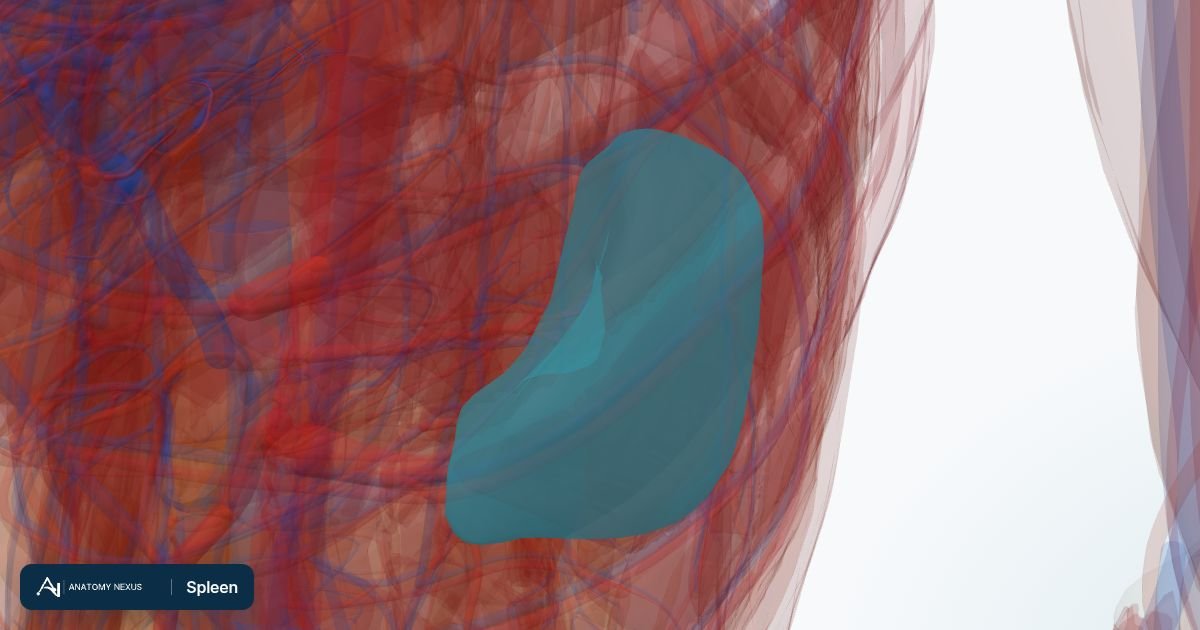
- Also known as
- platelet count, thrombocytes, PLT
- Units
- ×10⁹/L
- Measured by
- Full blood count
What it is and what it does
Platelets bud off from giant marrow cells called megakaryocytes and survive for about 7 to 10 days, with a third held in the spleen. When a vessel is injured they stick to the exposed wall, activate, clump together and provide the surface on which clotting factors assemble. The count is part of the full blood count. Bleeding from a low count usually appears as pinpoint spots (petechiae), bruises, nosebleeds and gum bleeding; spontaneous serious bleeding becomes a risk below about 20 ×10⁹/L. Antiplatelet medicines such as aspirin change how platelets work without changing the count.
Why it may be higher
- Reactive: infection, inflammation, surgery, bleeding, iron deficiency, cancer
- After the spleen is removed
- Essential thrombocythaemia and other myeloproliferative disorders
Why it may be lower
- Immune thrombocytopenia (antibodies destroy platelets)
- Medicines: heparin, some antibiotics, chemotherapy, sodium valproate, alcohol
- Liver disease and an enlarged spleen (platelets pooled in the spleen)
- Bone-marrow failure, B12 or folate deficiency, leukaemia
- Sepsis, disseminated intravascular coagulation, pregnancy (mild), some viral infections
A high or low value can be associated with several different situations. The result is interpreted with other results, symptoms, history and clinical findings.
What can affect the result
- Platelets can clump in the tube and read falsely low (pseudothrombocytopenia): a repeat in a different tube or a blood film settles it
- Recent surgery, infection or iron deficiency raises the count
- Pregnancy lowers it slightly
Medicines that can change it
Each medicine page lists its effect on this marker under "Effects on tests and results", with the source.