



Vitamin K epoxide reductase (VKORC1)
Also known as: VKORC1, VKOR, vitamin K reductase
The liver enzyme that recycles vitamin K so it can activate clotting factors II, VII, IX and X. Warfarin blocks it, so the liver releases inactive clotting factors and blood clots more slowly; the effect builds over days and is measured with the INR.
- Kind
- enzyme
- Also called
- VKORC1, VKOR, vitamin K reductase
- Where it is found
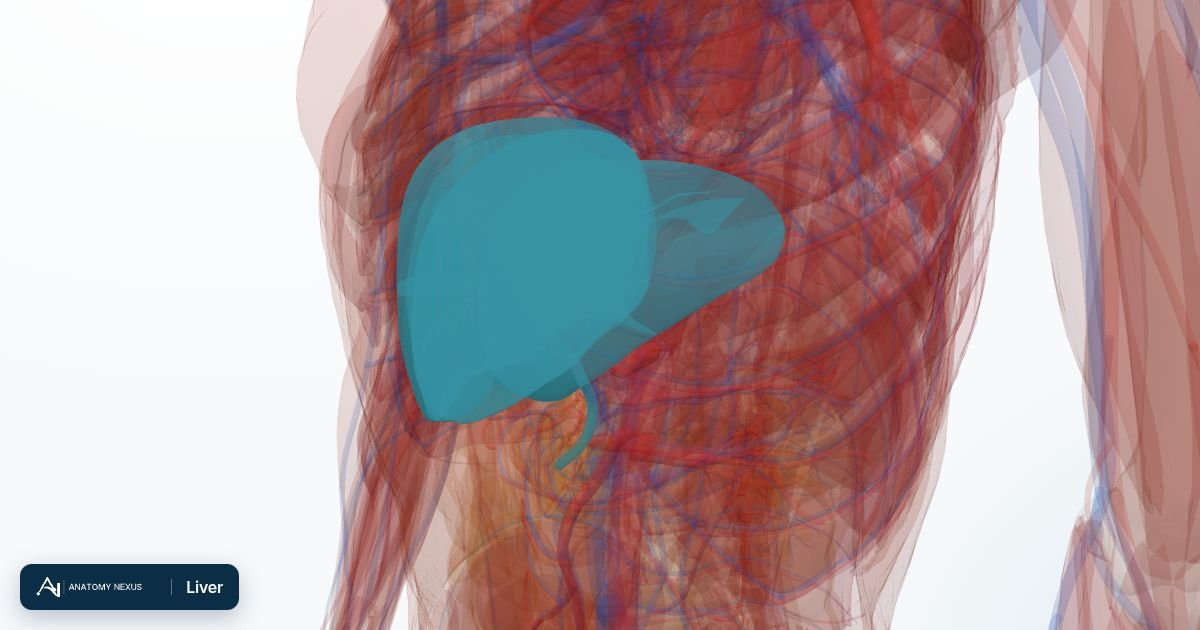
- The endoplasmic reticulum of hepatocytes.
What it does
Four clotting factors and two anticoagulant proteins (C and S) are only functional after a vitamin K-dependent step that adds carboxyl groups to them; each cycle oxidises vitamin K, and VKORC1 reduces it back for reuse. Warfarin inhibits VKORC1, vitamin K becomes unavailable, and newly made factors are released as inactive precursors. Because circulating factors are only replaced as they decay (factor VII within hours, prothrombin over two to three days), anticoagulation takes several days to develop and heparin cover is used at the start; the temporary early fall of protein C can even make clotting worse briefly. The dose needed varies many-fold between people, partly because of common variants in the VKORC1 and CYP2C9 genes, and it is disturbed by dietary vitamin K (green vegetables), alcohol, illness and a very long list of interacting drugs, hence the need for regular INR monitoring. Vitamin K itself, given by mouth or injection, reverses warfarin over hours; clotting factor concentrates do so immediately.
Role in the body
Regeneration of reduced vitamin K for gamma-carboxylation of clotting factors II, VII, IX and X and proteins C and S.