



Alcohol
Also known as: drinking, units of alcohol, alcohol dependence, binge drinking
Alcohol is absorbed from the stomach and small intestine, distributed through body water and processed by the liver at roughly one unit an hour. In the short term it depresses the brain; over years it damages the liver, heart, pancreas, nerves and brain and causes seven types of cancer. Risk rises with every drink; there is no fully safe level, but keeping under 14 units a week spread over several days keeps it low.
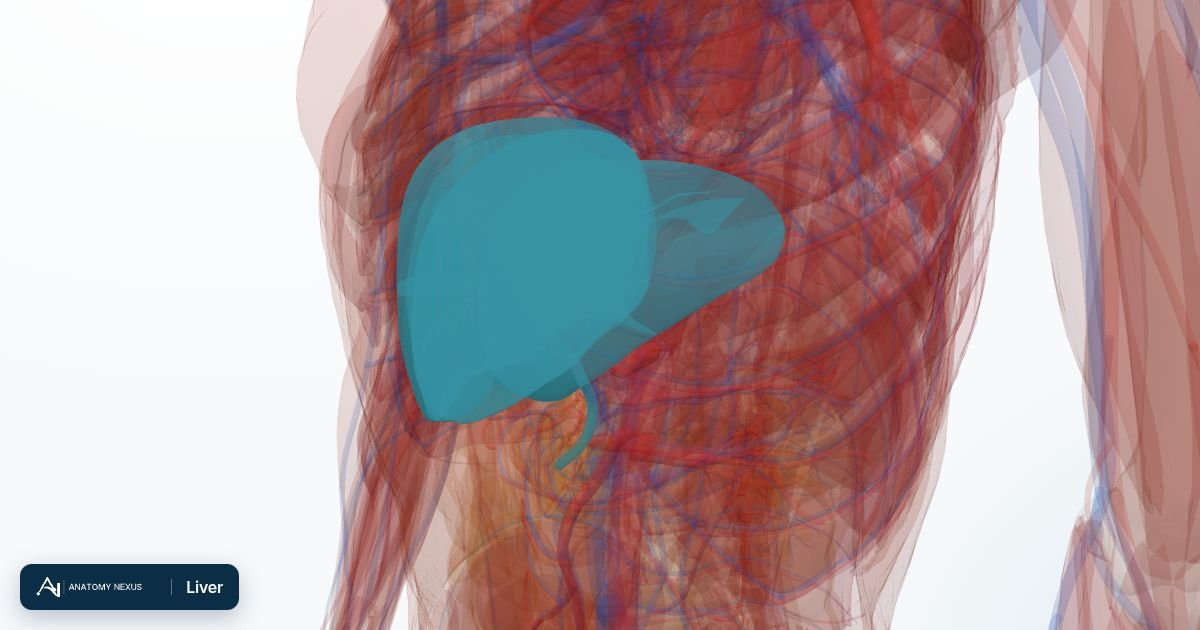
The liver converts alcohol to acetaldehyde, a toxic carcinogen, and then to acetate. Fat accumulates in liver cells within days of heavy drinking (fatty liver, reversible with abstinence); continued drinking inflames the liver (alcoholic hepatitis) and scars it (cirrhosis), which blocks blood flow from the gut, backs pressure into oesophageal veins that can bleed, and destroys the liver's ability to make proteins and clear toxins.
In the brain, alcohol enhances GABA inhibition and blocks glutamate: judgement, coordination and memory fail in proportion to the blood level, and at high levels breathing and gag reflexes are suppressed, which is how binge drinking kills. Regular use makes the brain adapt, so stopping suddenly causes rebound overactivity: tremor, seizures and delirium tremens, which can be fatal without medical withdrawal. Thiamine deficiency in heavy drinkers damages the memory circuits (Wernicke-Korsakoff syndrome).
Alcohol raises blood pressure, causes atrial fibrillation ('holiday heart') and weakens the heart muscle (cardiomyopathy); it inflames the pancreas and the stomach lining; and acetaldehyde plus its effect on oestrogen and folate causes cancers of the mouth, throat, oesophagus, liver, bowel and breast. Its calories (7 kcal per gram) contribute to weight gain, and it disrupts sleep architecture even in moderate amounts.
Effects on the body
| System | Effect |
|---|---|
| Digestive | Fatty liver, hepatitis, cirrhosis; pancreatitis; gastritis and ulcers; cancers of the mouth to bowel |
| Nervous system | Intoxication, blackouts, dependence, withdrawal seizures, peripheral neuropathy, dementia, depression |
| Heart | Hypertension, atrial fibrillation, cardiomyopathy, stroke |
| Endocrine | Low blood sugar in binges, raised triglycerides, gout, reduced testosterone |
| Reproductive | Fetal alcohol spectrum disorder: no safe amount in pregnancy |
Guidance
- No more than 14 units a week for both men and women, spread over 3 or more days, with several drink-free days; a unit is 10 mL of pure alcohol, roughly half a pint of ordinary beer, a small (125 mL) glass of wine, or a single 25 mL measure of spirits
- Avoid binges (more than 6 units in one session); eat before drinking and alternate with water
- None in pregnancy or when planning one; none before driving, operating machinery or swimming
- Warning signs of dependence: needing a drink to start the day, shaking when stopping, drinking more than intended, others expressing concern; anyone drinking heavily every day should not stop abruptly without medical advice
- Liver tests, blood pressure and support services (talking therapies, medication such as acamprosate or naltrexone) are available through primary care