



Gastro-oesophageal reflux disease
Also known as: GERD, GORD, acid reflux, heartburn
Reflux of stomach acid into the oesophagus often enough to cause symptoms or damage the lining.
Overview
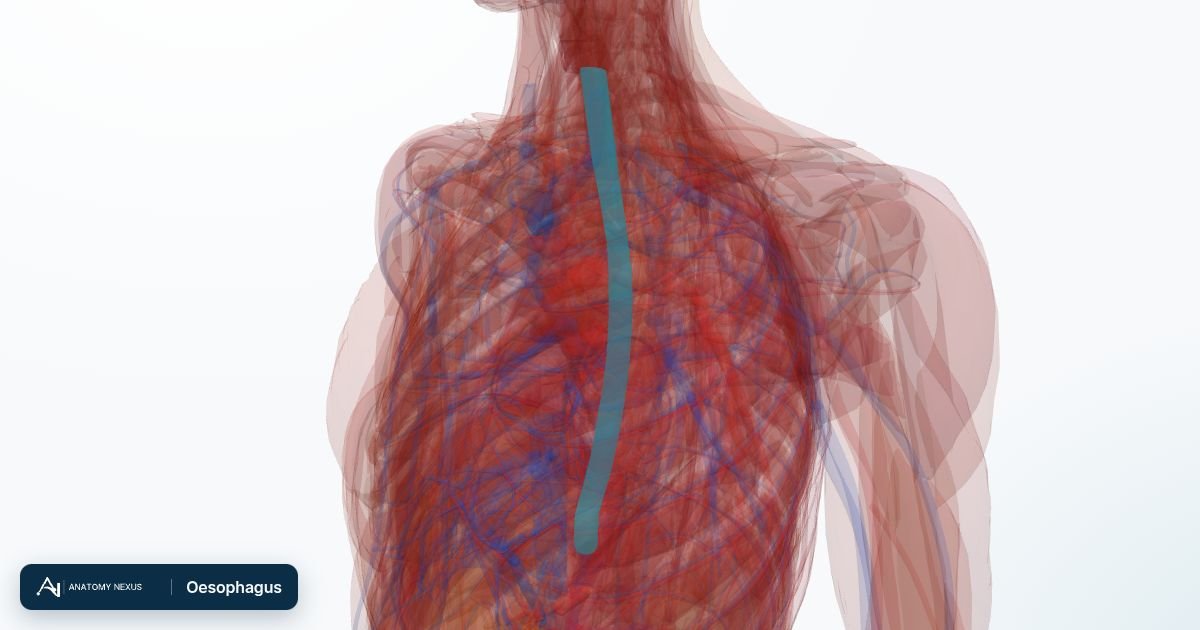
The lower oesophageal sphincter normally keeps acid in the stomach. When it relaxes too often or is weakened, especially with a hiatus hernia or obesity, acid burns the unprotected oesophagus. Heartburn after meals and lying down is the classic symptom; chronic reflux can scar the oesophagus or change its lining (Barrett's oesophagus), a precursor of cancer.
Causes
- Weak or over-relaxing lower oesophageal sphincter
- Hiatus hernia
- Raised abdominal pressure: obesity, pregnancy
- Delayed stomach emptying
Risk factors
- Obesity
- Smoking
- Alcohol, coffee, fatty and spicy food, large late meals
- Pregnancy
- Some drugs: NSAIDs, calcium-channel blockers, nitrates
Symptoms
What a clinician may find
- Usually none
- Dental erosion, hoarseness
Complications
- Oesophagitis and ulcers
- Strictures causing difficulty swallowing
- Barrett's oesophagus and oesophageal adenocarcinoma
- Chronic cough, asthma worsening, laryngitis
Diagnosis
Typical symptoms responding to acid suppression are usually enough. Endoscopy is done for alarm features (difficulty swallowing, weight loss, bleeding, anaemia, onset over 55) or persistent symptoms; pH monitoring quantifies reflux when the diagnosis is unclear.
Treatment
Weight loss, smaller earlier meals, raising the bed head, avoiding triggers, stopping smoking. Antacids and alginates for occasional symptoms; proton pump inhibitors for regular symptoms and healing. Anti-reflux surgery (fundoplication) for severe cases.
Prevention
Healthy weight, not smoking, moderate alcohol and coffee, no large meals within three hours of bed.
When to seek care
See a doctor promptly for difficulty or pain swallowing, vomiting blood, black stools, unexplained weight loss, or heartburn that persists despite treatment; chest pain that could be cardiac needs emergency assessment.