



Gastric proton pump (H+/K+ ATPase)
Also known as: H+/K+ ATPase, hydrogen-potassium ATPase, proton pump
The enzyme in the stomach's parietal cells that pumps acid into the stomach as the final step of acid secretion. Proton pump inhibitors such as omeprazole disable it, cutting acid output by more than 90% and allowing ulcers and reflux oesophagitis to heal.
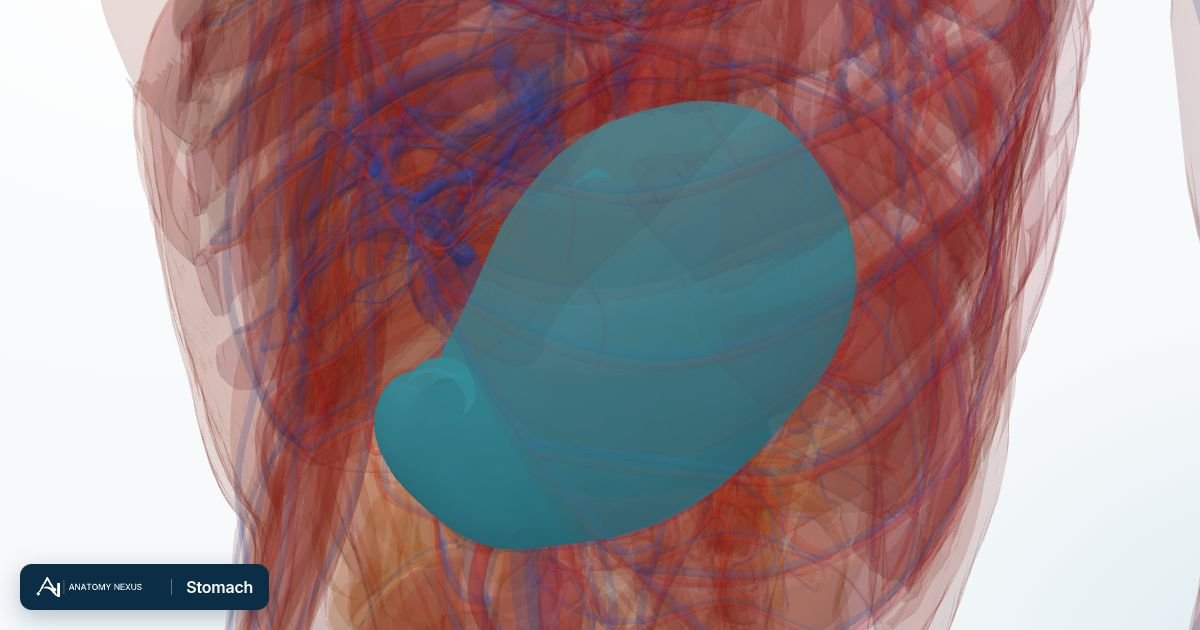
- Kind
- enzyme
- Also called
- H+/K+ ATPase, hydrogen-potassium ATPase, proton pump
- Where it is found
- The apical (canalicular) membrane of parietal cells in the oxyntic glands of the stomach body and fundus.
What it does
Parietal cells in the glands of the stomach body secrete hydrochloric acid by swapping potassium for hydrogen ions across their apical membrane using the H+/K+ ATPase, an energy-consuming pump that can create a million-fold concentration gradient. Histamine, gastrin and the vagus nerve each stimulate the cell through separate receptors, but all three converge on this pump, which is why blocking it suppresses acid more completely than blocking any one signal (H2 blockers such as famotidine block only the histamine route). Proton pump inhibitors are inactive prodrugs that concentrate in the acid canaliculus of the parietal cell, are converted there and bind the pump irreversibly; acid secretion only returns once new pumps are synthesised, so a once-daily dose taken before breakfast works around the clock. Long-term loss of acid raises gastrin, changes the gut flora and modestly reduces absorption of magnesium, vitamin B12, iron and calcium.
Role in the body
Final common step of gastric acid secretion.