



Peptic ulcer
Also known as: stomach ulcer, gastric ulcer, duodenal ulcer
A break in the lining of the stomach or duodenum that extends through the mucosa, caused by acid acting on a weakened defence.
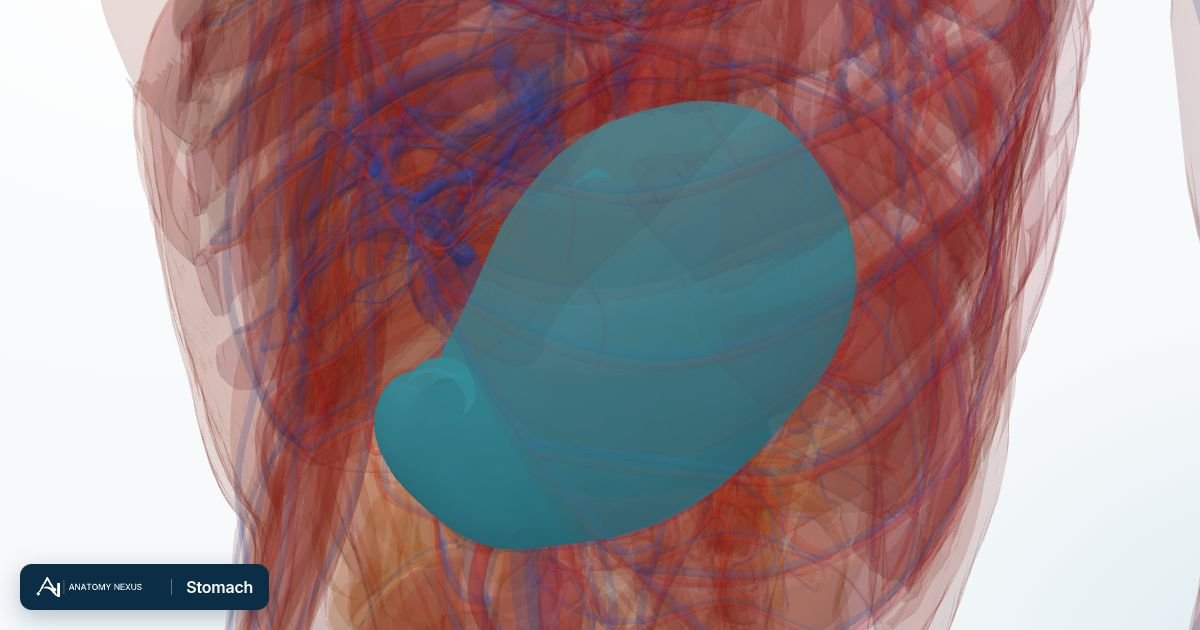
Overview
Most peptic ulcers are caused by the bacterium Helicobacter pylori or by NSAID painkillers, both of which strip the mucus barrier that protects the lining from acid. Duodenal ulcers are commoner and classically hurt when hungry; gastric ulcers hurt after eating. Ulcers can bleed or perforate.
Causes
- Helicobacter pylori infection
- NSAIDs and aspirin
- Rarely: Zollinger-Ellison syndrome, severe physiological stress, Crohn's disease
Risk factors
- Smoking
- Alcohol
- Older age
- Steroids and anticoagulants taken with NSAIDs
Symptoms
What a clinician may find
- Epigastric tenderness
- Signs of anaemia if bleeding chronically
- Rigid abdomen if perforated
Complications
- Bleeding: vomiting blood or passing black stools
- Perforation and peritonitis
- Gastric outlet obstruction
- Gastric cancer (with H. pylori)
Diagnosis
Testing for H. pylori (breath, stool or blood test); endoscopy to see the ulcer, take biopsies and treat bleeding, especially in those over 55 or with alarm features.
Treatment
Eradicate H. pylori with a proton pump inhibitor plus two antibiotics for one to two weeks; stop NSAIDs; proton pump inhibitor for four to eight weeks to heal. Bleeding ulcers are treated endoscopically; perforation needs surgery.
Prevention
Avoid NSAIDs when possible or take a protective proton pump inhibitor with them, stop smoking, limit alcohol.
When to seek care
Emergency care for vomiting blood or coffee-ground material, black tarry stools, sudden severe abdominal pain, or collapse.