A macrolide antibiotic for chest, skin, ear and throat infections and part of the combination that eradicates Helicobacter pylori, notable for the number of medicines it interacts with through CYP3A4.
No routine tests for short courses; INR closely if on warfarin; muscle symptoms if on a statin; an ECG if heart disease or other QT-prolonging medicines.
Legal status differs between countries and can change; each row cites the document it was taken from and applies only to the country named.
What it is used for
Chest infections including pneumonia, and exacerbations of COPD
Skin and soft-tissue infections, ear, sinus and throat infections, particularly in people allergic to penicillin
Helicobacter pylori eradication, with a proton-pump inhibitor and a second antibiotic
Some mycobacterial infections under specialist care
How it works in the body
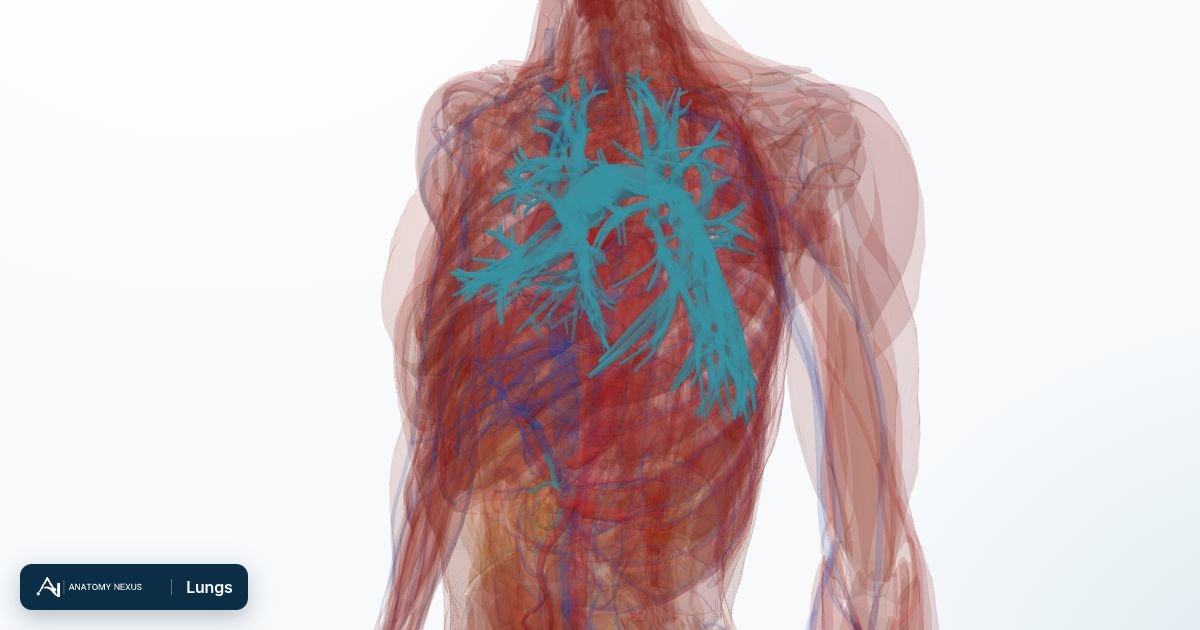
Clarithromycin binds the 50S subunit of the bacterial ribosome and stops the growing protein chain from moving along, so the bacteria cannot make the proteins they need; it slows their growth and, at higher concentrations, kills some species. It concentrates inside cells and lung tissue, which suits it to respiratory infections. In the liver it strongly inhibits CYP3A4, the enzyme that clears many other medicines.
Common side effects
Feeling sick, diarrhoea, stomach pain, bloating
A changed sense of taste
Headache, difficulty sleeping
Serious: seek help
Severe or persistent diarrhoea (possible C. difficile infection)
Palpitations or fainting from a prolonged QT interval
Yellowing of the skin or eyes, pale stools, dark urine
Severe skin reactions or an allergic reaction
Hearing loss or ringing in the ears, usually reversible
Cautions and interactions
Interacts with many medicines through CYP3A4: statins (simvastatin and atorvastatin), warfarin, some calcium-channel blockers, colchicine, some antipsychotics and anticoagulants, among others
Not combined with other QT-prolonging medicines where an alternative exists
Dose reduced in significant kidney impairment
Liver disease and a history of jaundice with a macrolide
Myasthenia gravis can worsen
Interactions
Check interactions
Taking Clarithromycin with other medicines? Add them to the checker to see what the official sources say about each pair: the mechanism, general management and monitoring, never a bare "safe".
Interactions documented in the official sources cited on each card. The list covers the medicines represented on this site and is not exhaustive; how the interaction data is compiled.
UK information lists these antibiotics among medicines to tell a doctor about; the BNF advises a reduced atorvastatin dose or avoiding the combination.
What to discuss with a clinician
Official UK guidance: the atorvastatin dose is limited (or the statin paused) during the course; report muscle pain.
What may be monitored
Muscle symptoms · Creatine kinase if symptoms
Context
Onset: Days
Basis of the status
BNF: Atorvastatin interactions (adjust dose or avoid with clarithromycin or erythromycin)
Medicines that share the class of Clarithromycin. They are separate medicines with their own licences, doses and interactions, not alternative names for Clarithromycin.
Medicines often discussed alongside Clarithromycin: used together, compared with it, or acting on the same problem by a different route.
Educational content. Anatomy Nexus provides medical education and does not replace professional medical advice, diagnosis, treatment, prescribing or pharmacist review. Doses, choices and monitoring are decided by a prescriber for an individual; never start, stop or change a medicine on the basis of this page.