Medication · Gastrointestinal · full clinical detail
Omeprazole
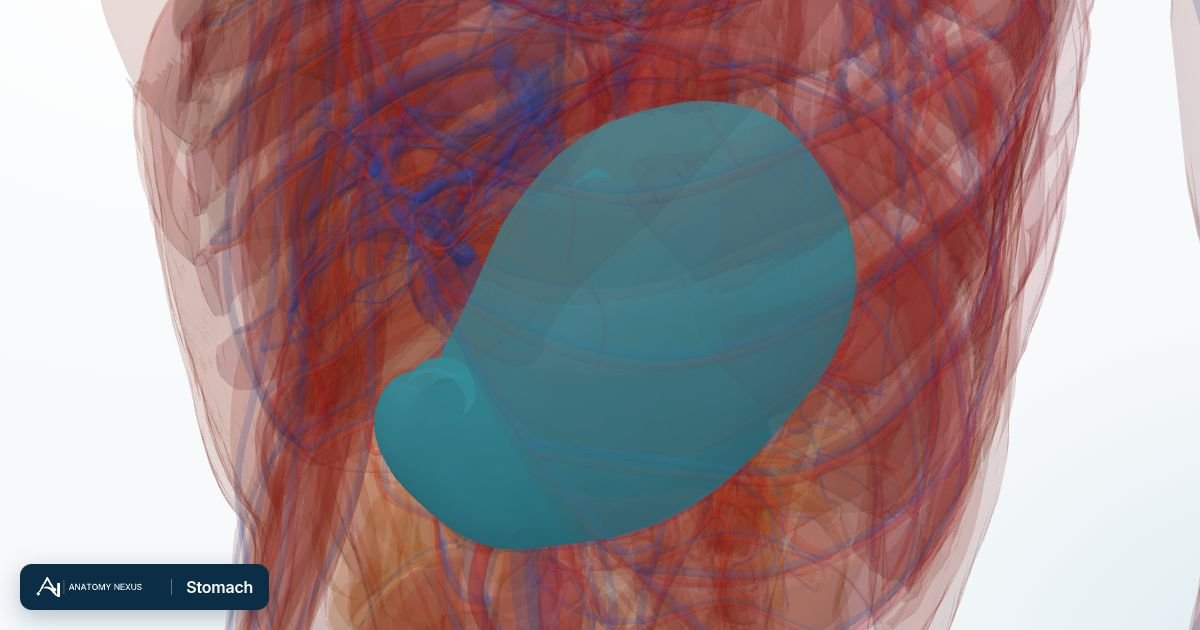
A proton pump inhibitor that switches off acid production in the stomach, healing ulcers and reflux oesophagitis and protecting the stomach from anti-inflammatory drugs.
Omeprazole switches off the acid pumps in the cells of your stomach lining, so far less acid is made. With less acid, ulcers can heal, the oesophagus is no longer burned by reflux, and the stomach is protected from anti-inflammatory painkillers.
Route
Oral (gastro-resistant capsules and tablets, oral suspension); intravenous
Benign gastric and duodenal ulcers, including NSAID-associated ulcers and their prophylaxis in people at risk; Helicobacter pylori eradication with antibiotics
Zollinger-Ellison syndrome; prophylaxis of acid aspiration during anaesthesia
NICE: PPI-based triple therapy for 7 days to eradicate H. pylori
Licensed indications come from the product licence in the named country; guideline-supported and off-label uses are cited to the guideline that supports them. Licensing differs between countries.
How it works
Omeprazole switches off the acid pumps in the cells of your stomach lining, so far less acid is made. With less acid, ulcers can heal, the oesophagus is no longer burned by reflux, and the stomach is protected from anti-inflammatory painkillers.
Irreversibly blocks the hydrogen-potassium ATPase, the 'proton pump' in the parietal cells of the stomach lining that secretes acid as the final step of every stimulus. Because the pump is disabled rather than the signals, acid falls by over 90%, and new pumps must be made before secretion recovers, so the effect outlasts the drug's short half-life. Given 30-60 minutes before breakfast, when pumps are most active.
Mechanism of action
Omeprazole is a substituted benzimidazole prodrug. Absorbed from gastro-resistant granules, it concentrates in the acidic secretory canaliculi of gastric parietal cells, where it is protonated and converted to a sulfenamide that forms covalent disulphide bonds with cysteines on the H+/K+ ATPase, inhibiting the pump irreversibly. Because the pump is the final step of acid secretion, basal and stimulated acid output fall by more than 90%; secretion recovers only as new pumps are synthesised (half-life of pump turnover about 50 hours), so once-daily dosing before breakfast gives a sustained effect despite a plasma half-life of about an hour. Omeprazole is metabolised by CYP2C19 and CYP3A4 and inhibits CYP2C19, reducing activation of clopidogrel and raising levels of some other drugs. Long-term acid suppression raises gastrin, alters absorption of magnesium, calcium, iron and vitamin B12, and changes the gut microbiome.
Source: NHS: Omeprazole. Frequencies follow the source's categories; no percentages are invented.
Serious safety information
Special warning. Masking of gastric cancer: PPIs relieve symptoms of stomach cancer without treating it; alarm features (weight loss, difficulty swallowing, vomiting, bleeding, anaemia, a new symptom over 55) need endoscopy before or soon after starting. UK
Special warning. Fracture risk: high doses for over a year modestly increase the risk of hip, wrist and spine fractures, mainly in older people and those with other risk factors. UK
Special warning. Infections: reduced stomach acid increases the risk of gut infections including Clostridioides difficile and, possibly, pneumonia; persistent diarrhoea on a PPI needs assessment. UK
Warnings and precautions
Monitoring. Low magnesium: long-term use (usually over a year) can cause hypomagnesaemia with cramps, palpitations, dizziness or seizures; magnesium is checked before prolonged treatment and periodically, particularly with diuretics or digoxin. UK
Other. Subacute cutaneous lupus erythematosus: a rare skin reaction to PPIs, presenting as a rash in sun-exposed skin with joint pain; the drug is stopped. UK
Precaution. Review of long-term use: rebound acid hypersecretion for a few weeks after stopping can be mistaken for relapse; the dose is stepped down or used on demand where possible. UK
Contraindications
Factor
Detail
Strength
Country · source
Concomitant rilpivirine
Contraindicated with the HIV medicine rilpivirine, whose absorption depends on gastric acid.
"Absolute" and "relative" follow the wording of the cited source; where the source does not classify, the cell is blank.
Interactions
Check interactions
Taking Omeprazole with other medicines? Add them to the checker to see what the official sources say about each pair: the mechanism, general management and monitoring, never a bare "safe".
Interactions documented in the official sources cited on each card. The list covers the medicines represented on this site and is not exhaustive; how the interaction data is compiled.
Other medicines
Omeprazole + Rilpivirine (HIV treatment)
Contraindicated or avoidContraindicated in official information
Omeprazole greatly reduces the absorption of the HIV medicine rilpivirine, which can lead to treatment failure.
Why it can occur
altered gastric pH
What official information says
The BNF lists rilpivirine as a contraindication to omeprazole.
What to discuss with a clinician
Official guidance: contraindicated; an H2 antagonist or antacid with appropriate timing is used instead.
Proton pump inhibitors can reduce the elimination of methotrexate and raise its levels, most importantly with high-dose methotrexate.
Why it can occur
renal clearance
What official information says
UK information lists methotrexate among medicines to tell a doctor about; the BNF advises considering withholding the PPI around high-dose methotrexate.
What to discuss with a clinician
Official guidance: the PPI may be withheld around high-dose methotrexate; low-dose weekly methotrexate is monitored.
Therapeutic duplication. Two PPIs together, or a PPI with an over-the-counter omeprazole product, duplicate acid suppression and its long-term risks. UK
Food and drink
With
Effect
Official advice
Meals
Omeprazole works best when the pumps are active, so it is taken 30-60 minutes before food, usually before breakfast; the gastro-resistant granules must not be crushed or chewed. (other)
UK information advises taking omeprazole in the morning before food, swallowing capsules whole. UK
Alcohol
Alcohol does not interact with omeprazole itself, but it irritates the stomach and increases acid, working against the treatment. (Gastric irritation from alcohol)
UK information states alcohol can be drunk while taking omeprazole, but it may make reflux and indigestion worse. UK
Herbal remedies and supplements
With
Effect
Official advice
St John's wort
Induces omeprazole metabolism and can reduce its effect
UK information advises against taking St John's wort with omeprazole, or checking with a pharmacist first. UK
Monitoring
What
Why
Tests and markers
Source
Magnesium
Before and periodically during treatment lasting more than a year, particularly with diuretics, digoxin or symptoms of low magnesium
Urgent endoscopy for dysphagia, weight loss, bleeding or persistent symptoms over 55, and re-testing for H. pylori after eradication where indicated (PPI stopped for 2 weeks before a breath or stool test)
UK information states omeprazole is safe to take in pregnancy and is one of the preferred treatments for reflux and heartburn when lifestyle measures and antacids are not enough. UK
Breastfeeding
UK information states omeprazole is safe to take while breastfeeding; only small amounts pass into milk. UK
Children
Licensed from 1 year (over 10 kg) for reflux oesophagitis and symptomatic GORD, and from 4 years for H. pylori eradication, at weight-based doses; infants under specialist advice. UK
Older adults
No dose change, but fracture risk, hypomagnesaemia, C. difficile infection and vitamin B12 deficiency are more likely with prolonged use, so the indication is reviewed regularly. UK
Coronary artery disease on clopidogrel: omeprazole reduces clopidogrel activation; an alternative PPI (lansoprazole or pantoprazole) or H2 blocker is used.
Educational summary of drug–condition cautions in the cited sources; not a personal screening.
Effects on tests and results
Electrolytes: Magnesium can fall with long-term use; checked before and during prolonged treatment. UK
Ferritin: Vitamin B12 absorption falls (acid is needed to release B12 from food), and iron absorption is reduced; ferritin and haemoglobin may fall over years of use. UK
Serum gastrin rises (a normal response to acid suppression) and can confound investigations for gastrinoma; chromogranin A also rises. UK
Microbiology tests: Urea breath tests and stool antigen tests for H. pylori give false negatives on a PPI; it is stopped for at least 2 weeks before testing. UK
Sodium: Sodium can fall (hyponatraemia) rarely, mainly in older people. UK
Pharmacokinetics
Absorption
Absorbed from the small intestine after the gastro-resistant coating dissolves; bioavailability about 35% after a single dose, rising to about 60% with repeated dosing
Peak
1-3 hours (plasma); maximal acid suppression after 3-5 days
Half-life
About 1 hour in plasma, but the effect lasts over 24 hours because pump inhibition is irreversible
Metabolism
Liver, CYP2C19 (poor metabolisers have higher levels) and CYP3A4; inhibits CYP2C19
Elimination
About 80% as metabolites in urine, the rest in faeces
Dosing is intentionally not described: doses depend on the indication, the country's licence, kidney and liver function, age, weight and other medicines, and are set by a prescriber.
Medicines that share the class of Omeprazole. They are separate medicines with their own licences, doses and interactions, not alternative names for Omeprazole.
Medicines often discussed alongside Omeprazole: used together, compared with it, or acting on the same problem by a different route.
Educational content. Anatomy Nexus provides medical education and does not replace professional medical advice, diagnosis, treatment, prescribing or pharmacist review. Doses, choices and monitoring are decided by a prescriber for an individual; never start, stop or change a medicine on the basis of this page.