



Digestion
Food is broken down mechanically by chewing and churning and chemically by enzymes, from starch in the mouth to proteins and fats in the small intestine.
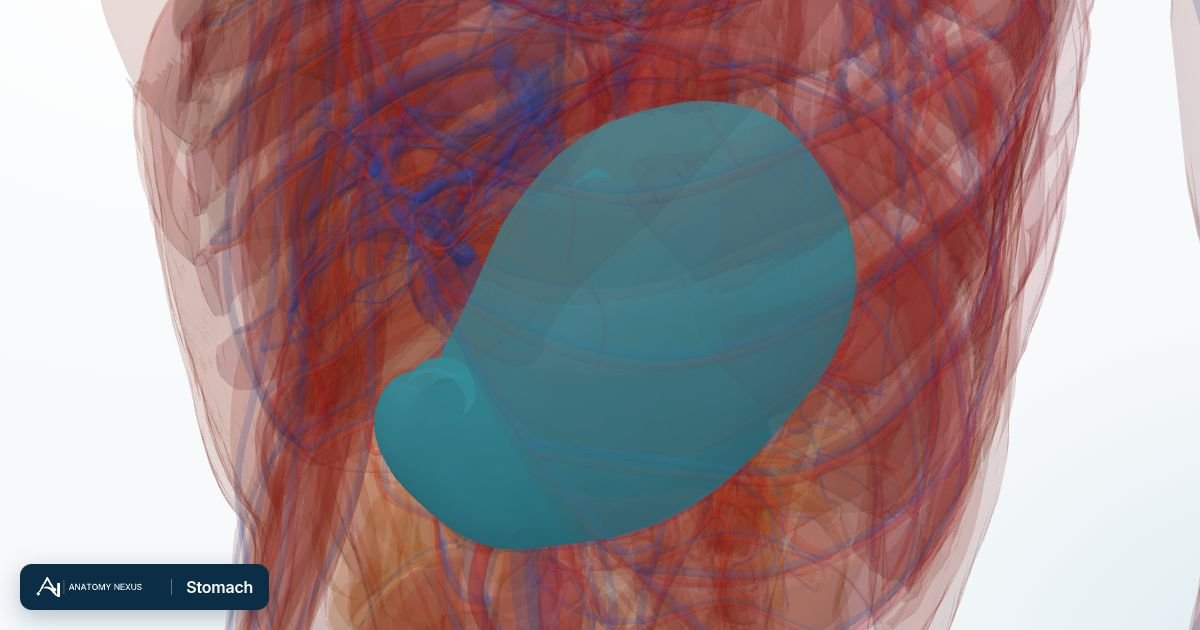
Chewing mixes food with saliva, whose amylase starts on starch. The stomach adds hydrochloric acid, which unfolds proteins and kills microbes, and pepsin, which begins their breakdown; it churns the mix into a paste called chyme and releases it into the duodenum a few millilitres at a time.
In the duodenum, bile from the liver emulsifies fat into droplets and pancreatic juice supplies the main enzymes: lipase for fat, amylase for starch and proteases (trypsin, chymotrypsin) for protein. Enzymes on the intestinal lining finish the job, splitting sugars and peptides into single molecules ready for absorption.
Digestion is regulated by nerves and hormones: the sight and smell of food prime the stomach (vagus nerve), gastrin drives acid, and cholecystokinin from the duodenum squeezes the gallbladder and slows the stomach when fat arrives.
Key facts
| Fact | Value |
|---|---|
| Stomach pH | 1.5–3.5 |
| Time in stomach | 2–4 h |
| Saliva per day | ≈1–1.5 L |