



Folate
Also known as: folic acid, vitamin B9, serum folate, red cell folate
The B vitamin from green vegetables and fortified foods that cells need to make DNA; deficiency causes anaemia with large red cells and, in early pregnancy, neural tube defects.
- Also known as
- folic acid, vitamin B9, serum folate, red cell folate
- Units
- µg/L (ng/mL) or nmol/L
- Measured by
- Vitamin B12 and folate, Full blood count
What it is and what it does
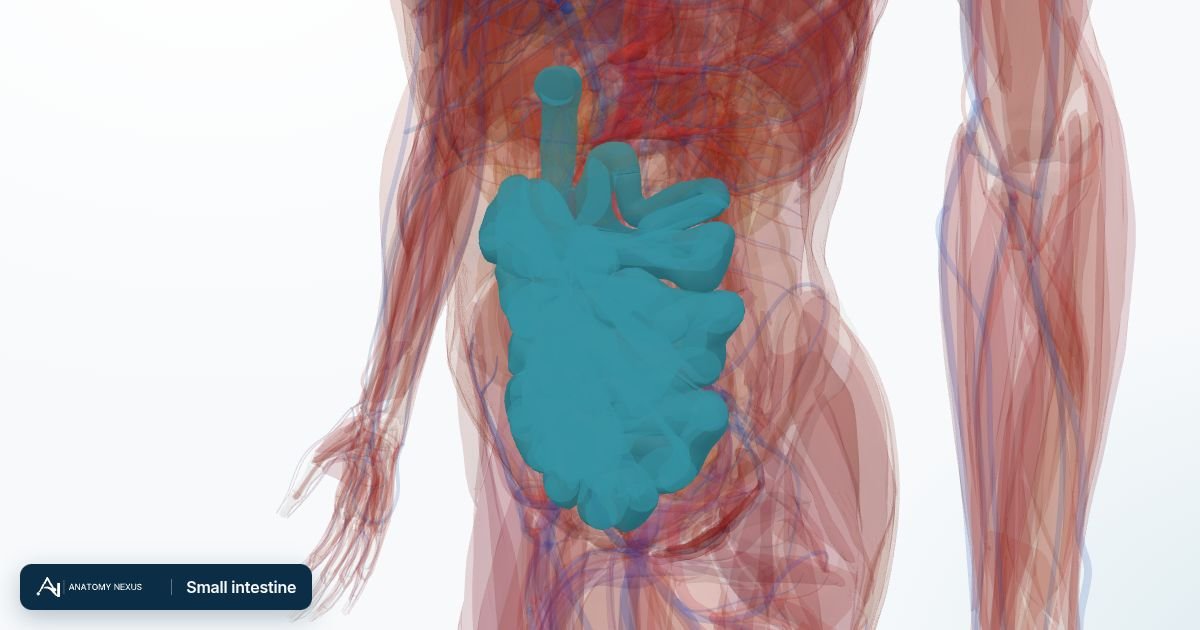
Folate is absorbed in the upper small intestine and stored only for a few months, so deficiency develops quickly when intake falls. Serum folate reflects recent intake; red cell folate reflects the previous few months. It works with vitamin B12, which is why the two are tested together and why B12 status must be known before folic acid is given.
Why it may be higher
- Supplements and fortified foods
- Recent meals (serum folate)
Why it may be lower
- Poor diet and alcohol excess
- Malabsorption: coeliac disease, Crohn's disease
- Pregnancy and increased cell turnover
- Methotrexate, some antiepileptics, trimethoprim
A high or low value can be associated with several different situations. The result is interpreted with other results, symptoms, history and clinical findings.
What can affect the result
- A recent meal raises serum folate
- Haemolysis of the sample releases red cell folate
- Vitamin B12 deficiency can trap folate in an unusable form