



Inflammatory bowel disease
Also known as: IBD, Crohn's disease, ulcerative colitis
Chronic inflammation of the gut driven by an abnormal immune response: ulcerative colitis affects the colon's lining continuously from the rectum; Crohn's disease can affect any part of the tract, in patches and through the full wall thickness.
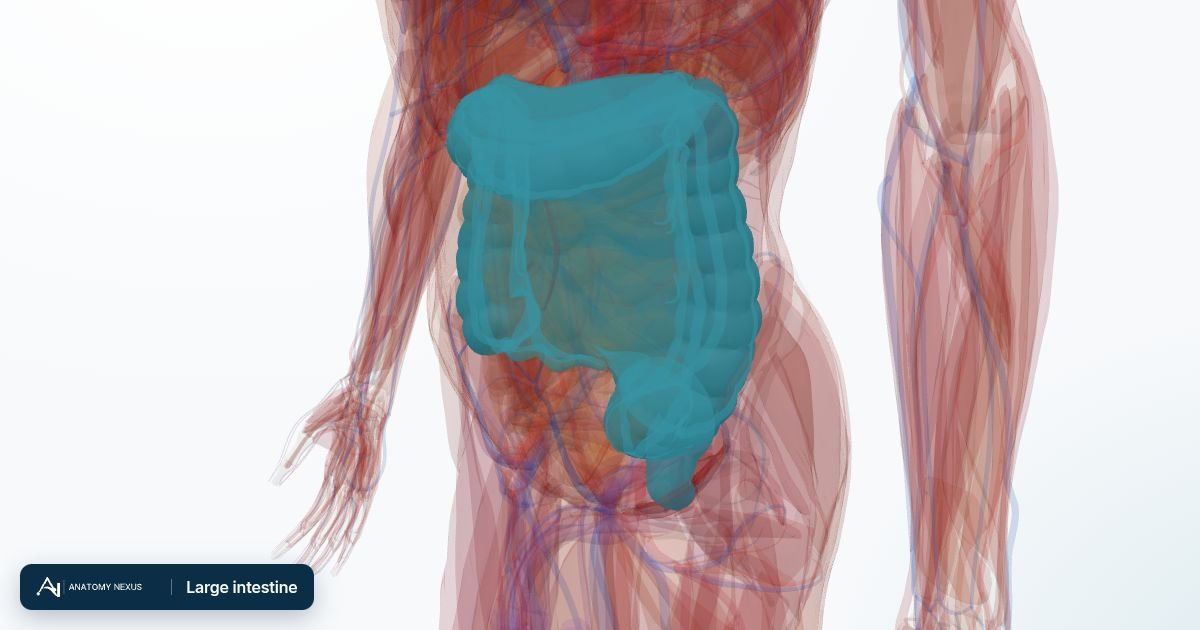
Overview
IBD typically begins in the teens and twenties and follows a relapsing course. Ulcerative colitis brings bloody diarrhoea and urgency; Crohn's brings pain, diarrhoea, weight loss, mouth ulcers and complications such as strictures and fistulas. Modern immune-modulating drugs control most cases, but surgery is still needed by many.
Causes
- Interaction of genes, the gut microbiome and an over-active mucosal immune response
- Over 200 susceptibility genes identified
Risk factors
- Family history
- Smoking (for Crohn's; it is protective in ulcerative colitis)
- Western diet, urban living
- NSAIDs and antibiotics may trigger flares
Symptoms
What a clinician may find
- Weight loss, anaemia
- Abdominal tenderness or a mass
- Perianal fistulas and skin tags in Crohn's
- Mouth ulcers, eye inflammation, joint swelling
Complications
- Severe colitis and toxic megacolon
- Strictures, fistulas and abscesses
- Anaemia and malnutrition
- Colorectal cancer after long-standing colitis
- Primary sclerosing cholangitis
Diagnosis
Blood tests (anaemia, CRP), faecal calprotectin to distinguish from irritable bowel, stool cultures to exclude infection, colonoscopy with biopsies, and MRI of the small bowel for Crohn's.
Treatment
Aminosalicylates for mild ulcerative colitis; steroids to settle flares; thiopurines, methotrexate and biologic antibodies (anti-TNF, anti-integrin, anti-IL-23) or JAK inhibitors to maintain remission; nutritional therapy in Crohn's; surgery for complications or refractory colitis.
Prevention
No known prevention; not smoking reduces Crohn's flares and complications.
When to seek care
Urgent care for more than six bloody stools a day with fever or a fast pulse, severe abdominal pain and distension, or inability to keep fluids down.