



Appendicitis
Also known as: inflamed appendix
Acute inflammation of the appendix, usually because its opening into the caecum is blocked.
Overview
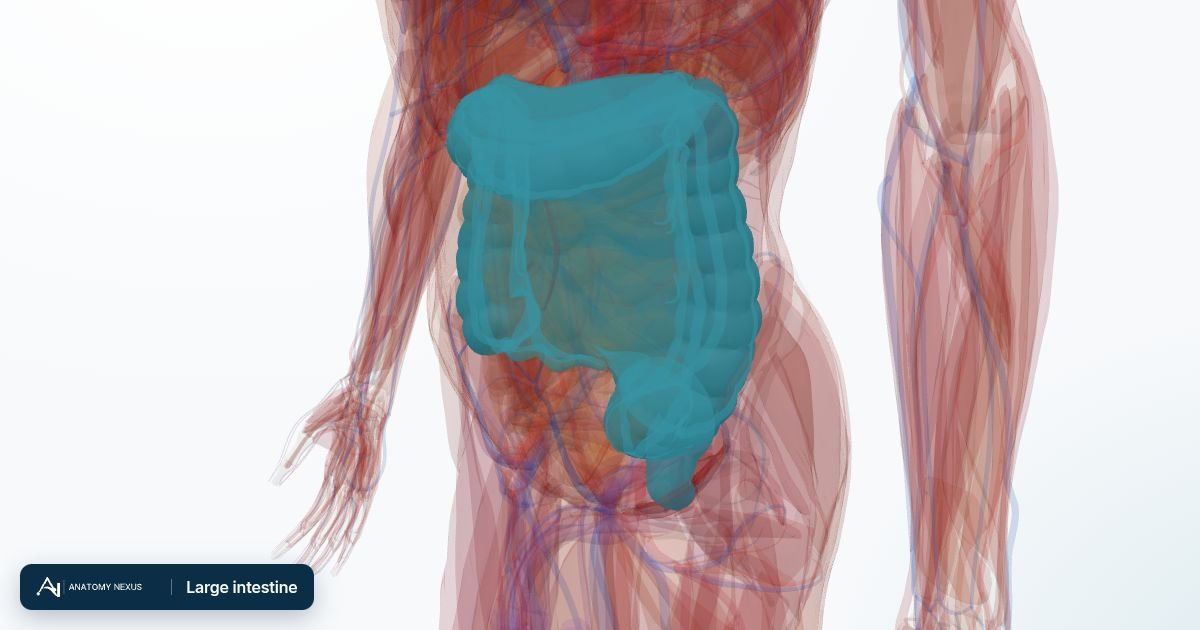
The appendix is a blind pouch hanging off the caecum in the lower right abdomen. When its lumen is obstructed, by a hard pellet of stool, swollen lymphoid tissue or rarely a tumour, bacteria multiply, pressure rises, the wall becomes inflamed and, within a day or two, can perforate. It is the commonest cause of emergency abdominal surgery.
Causes
- Obstruction of the appendix lumen by a faecolith or enlarged lymphoid tissue
- Rarely a tumour or parasite
Risk factors
- Age 10 to 30
- Family history
- Low-fibre diet (weak evidence)
Symptoms
What a clinician may find
- Tenderness and guarding at McBurney's point in the right lower quadrant
- Rebound tenderness
- Pain on the right when the left side is pressed (Rovsing's sign)
- Mild fever and fast pulse
Complications
- Perforation and peritonitis
- Abscess
- Sepsis
- Bowel obstruction from adhesions
Diagnosis
Largely clinical: the migrating pain, tenderness and raised white cells and CRP. Ultrasound in children and pregnancy; CT in adults when the picture is unclear. A pregnancy test in women excludes an ectopic pregnancy.
Treatment
Prompt removal of the appendix (appendectomy), now usually laparoscopic, with antibiotics before and, if perforated, after surgery. Selected uncomplicated cases can be treated with antibiotics alone, with a risk of recurrence. An abscess may be drained first and the appendix removed later.
Prevention
None proven.
When to seek care
Same-day emergency assessment for pain that moves to the lower right abdomen, worsens over hours, and comes with nausea, loss of appetite or fever.