



C-reactive protein (CRP)
Also known as: CRP, C reactive protein, hs-CRP
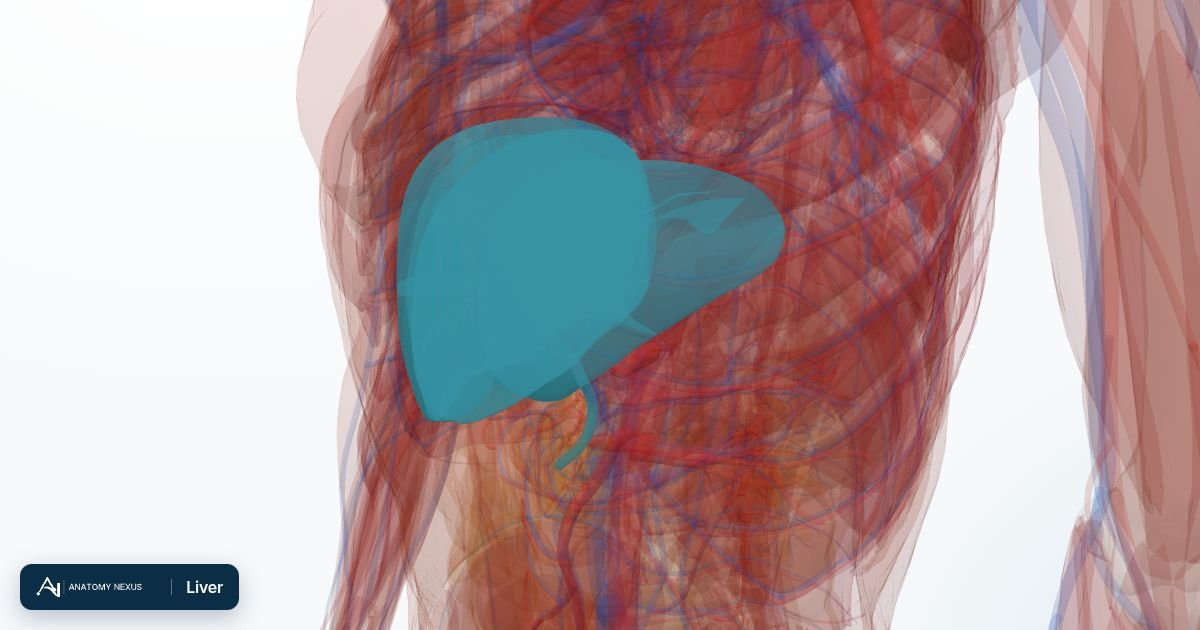
A protein the liver pours into blood within hours of any significant inflammation, infection or tissue injury. It rises and falls fast, so it tracks the course of an illness and the response to treatment; it does not say what the cause is.
- Also known as
- CRP, C reactive protein, hs-CRP
- Units
- mg/L
- Measured by
- CRP test, ESR (erythrocyte sedimentation rate), Full blood count
What it is and what it does
CRP is an acute-phase protein: interleukin-6 released at a site of inflammation tells the liver to make it, levels begin to rise within about six hours, peak at around two days and fall with a half-life of roughly 19 hours once the trigger is removed. Bacterial infection, major surgery, trauma, heart attack, flares of inflammatory arthritis or bowel disease and some cancers all raise it, often into the hundreds of mg/L; many viral infections and some autoimmune diseases such as lupus raise it only modestly. A high-sensitivity assay (hs-CRP) measures the low-grade inflammation of obesity and atherosclerosis, used in some cardiovascular risk scores. CRP responds faster than the ESR, which is why it is preferred for monitoring acute illness.
Why it may be higher
- Bacterial infection, sepsis, abscess, pneumonia, pyelonephritis
- Surgery, trauma, burns, myocardial infarction
- Inflammatory arthritis, inflammatory bowel disease, vasculitis, gout flares
- Cancer, particularly lymphoma and widespread disease
- Mild elevation: obesity, smoking, diabetes, low-grade chronic inflammation
Why it may be lower
- A low value is normal; it makes significant bacterial infection or major inflammation less likely but does not exclude early infection, viral illness or localised infection
A high or low value can be associated with several different situations. The result is interpreted with other results, symptoms, history and clinical findings.
What can affect the result
- Time since the illness began (a sample within the first hours can be normal)
- Corticosteroids and other immunosuppressants blunt the rise
- Obesity and smoking raise the baseline
- Pregnancy and oestrogens raise it slightly
Medicines that can change it
Each medicine page lists its effect on this marker under "Effects on tests and results", with the source.