



Urinary tract infection
Also known as: UTI, cystitis, pyelonephritis, bladder infection
Bacterial infection of the bladder (cystitis) or, when it ascends, the kidney (pyelonephritis), usually by gut bacteria such as Escherichia coli.
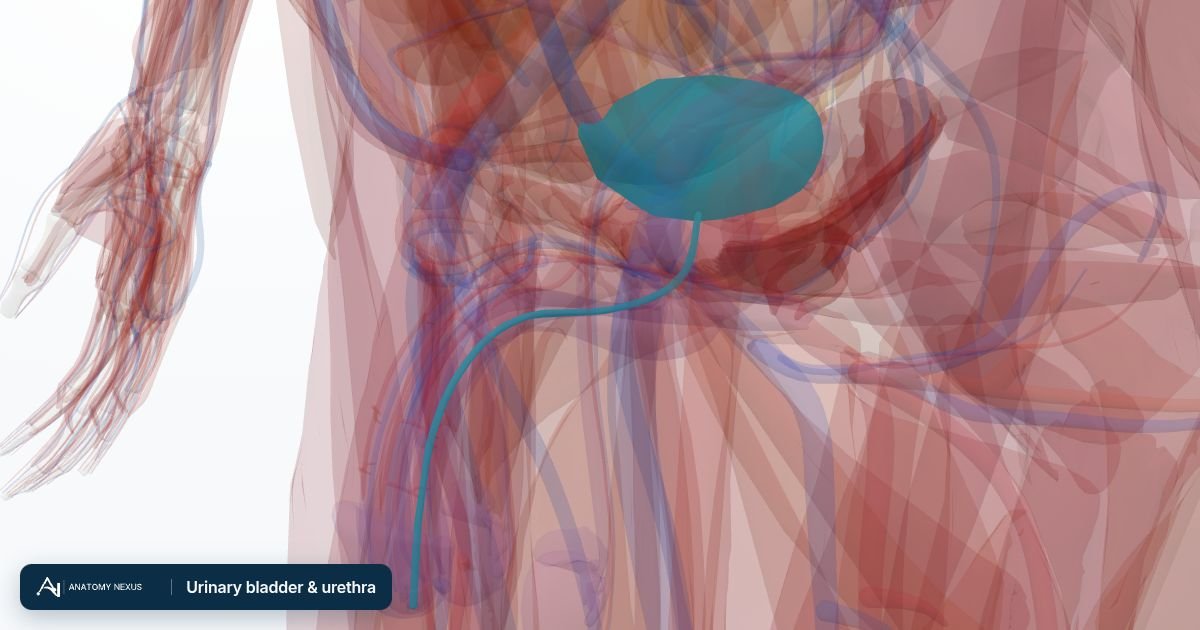
Overview
UTIs are among the commonest bacterial infections, far more frequent in women because the short urethra lets bacteria reach the bladder easily. Cystitis burns and nags but is rarely dangerous; kidney infection causes fever, loin pain and vomiting and can lead to sepsis, especially in the elderly, in pregnancy and with obstruction.
Causes
- Gut bacteria (E. coli in 80%) ascending the urethra
- Catheters and instrumentation
- Obstruction: stones, enlarged prostate
Risk factors
- Female sex, sexual activity, spermicides
- Pregnancy
- Menopause
- Diabetes
- Urinary catheter
- Incomplete bladder emptying, kidney stones, prostate enlargement
Symptoms
What a clinician may find
- Suprapubic tenderness
- Loin tenderness and fever in pyelonephritis
- Confusion in older adults
- Cloudy or bloody urine
Complications
- Kidney infection and abscess
- Sepsis
- Kidney scarring in children
- Premature labour in pregnancy
Diagnosis
Symptoms and a urine dipstick (nitrites, leucocytes, blood) in uncomplicated cystitis; urine culture in men, children, pregnancy, recurrent or complicated infection; blood tests and imaging if kidney infection or obstruction is suspected.
Treatment
A short course of antibiotics (nitrofurantoin or trimethoprim for cystitis; longer courses of a broader agent for kidney infection), fluids and pain relief. Intravenous antibiotics for severe infection; relief of any obstruction.
Prevention
Fluids, emptying the bladder after sex, avoiding spermicides, vaginal oestrogen after the menopause, prophylactic antibiotics or methenamine for frequent recurrences.
When to seek care
Urgent care for fever, shivering, loin pain, vomiting or confusion with urinary symptoms, symptoms in pregnancy or in a man, or blood in the urine that persists.