



Kidney stones
Also known as: renal calculi, nephrolithiasis, renal colic
Hard crystals, most commonly calcium oxalate, that form in the kidney and can pass into and block the ureter.
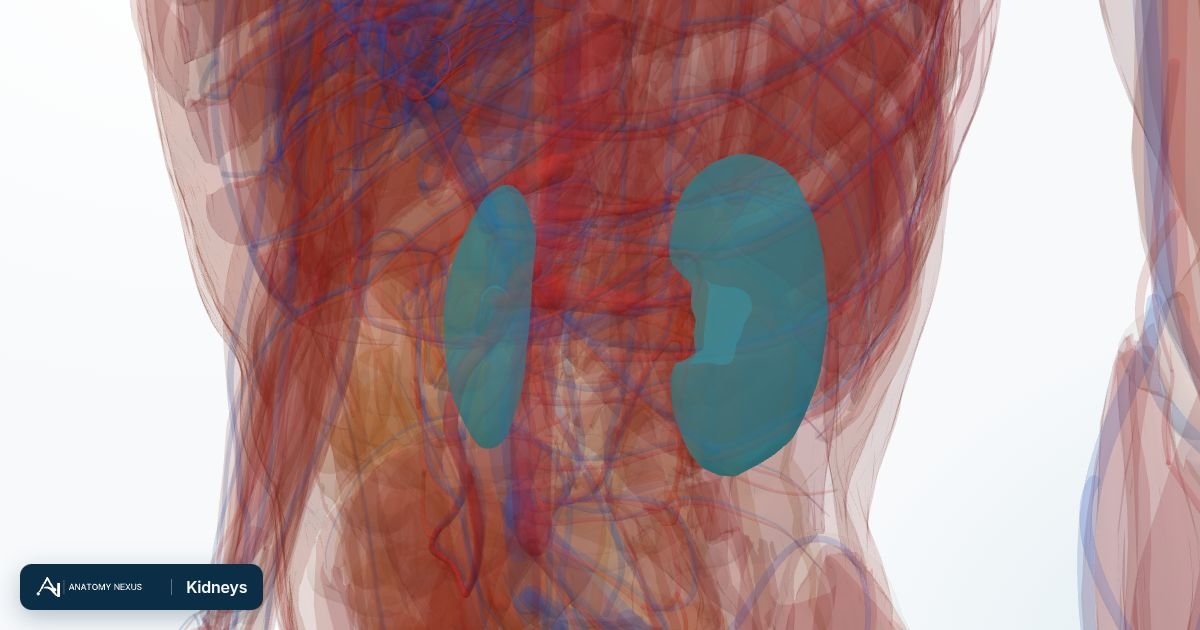
Overview
Stones form when urine is concentrated and rich in stone-forming salts. A stone leaving the kidney scrapes and blocks the ureter, producing renal colic: waves of agonising pain from the loin to the groin with blood in the urine. Most stones under 5 mm pass on their own; larger or infected obstructions need intervention.
Causes
- Low urine volume
- High urinary calcium, oxalate or uric acid
- Urinary infection with urease-producing bacteria (struvite stones)
- Rare inherited causes (cystinuria)
Risk factors
- Dehydration and hot climates
- Family or personal history
- Obesity, diabetes, gout
- High salt, animal protein and oxalate intake
- Some drugs and bowel disease
Symptoms
What a clinician may find
- Restless, unable to lie still
- Loin tenderness
- Blood in the urine on dipstick
- Fever if infected
Complications
- Obstruction with infection (an emergency)
- Kidney damage
- Recurrence in half within ten years
Diagnosis
Non-contrast CT of the urinary tract is the definitive test; ultrasound in pregnancy and children; urine dipstick and culture, kidney function and calcium and urate levels; analysis of the passed stone.
Treatment
Strong analgesia (NSAIDs are most effective), fluids, and drugs to relax the ureter to help small stones pass; shock-wave lithotripsy, ureteroscopy with laser fragmentation or percutaneous surgery for larger stones; urgent drainage with a stent or nephrostomy if obstructed and infected.
Prevention
Drink enough to pass 2 to 2.5 litres of urine a day, limit salt and animal protein, keep normal calcium intake, lemon juice for citrate; specific drugs for recurrent formers.
When to seek care
Emergency care for colicky pain with fever or shivering, vomiting preventing fluids, pain not controlled by painkillers, or a single functioning kidney.