



Xanthine oxidase
Also known as: xanthine oxidoreductase, XO, XDH
The enzyme that makes uric acid from the purines released when cells and DNA break down. Allopurinol and febuxostat block it, lowering uric acid so that the crystals of gout dissolve and new attacks stop.
- Kind
- enzyme
- Also called
- xanthine oxidoreductase, XO, XDH
- Where it is found
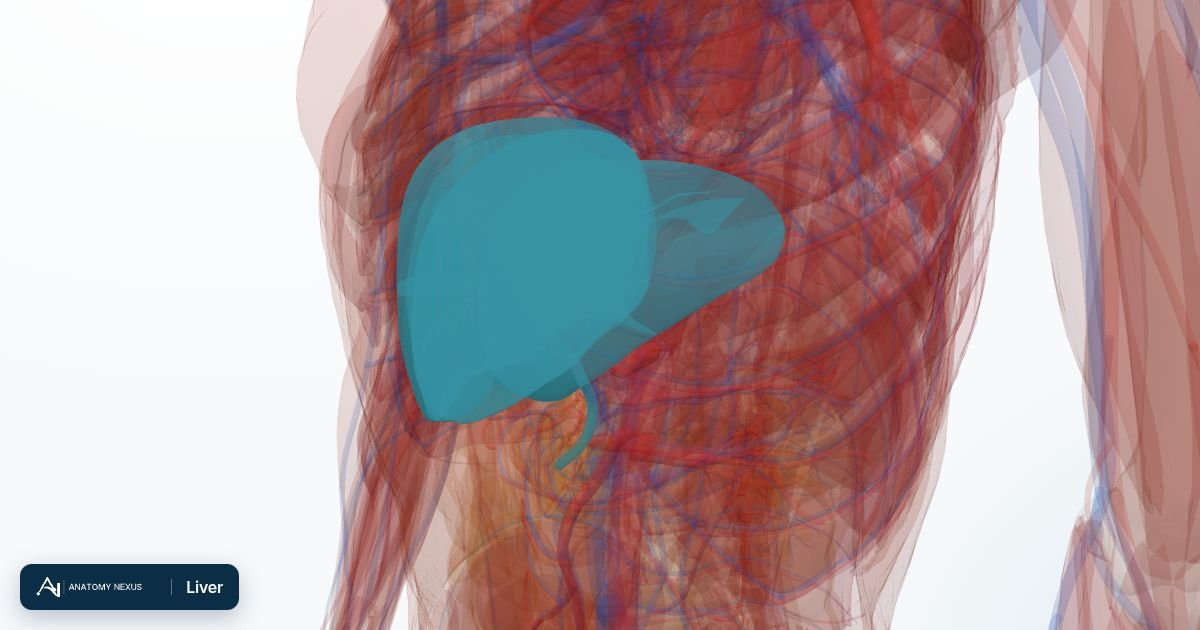
- The cytoplasm of liver and gut cells, and vascular endothelium; also present in milk and the mammary gland.
What it does
Purines from the diet and from the turnover of the body's own cells are degraded to hypoxanthine and xanthine, and xanthine oxidase converts both, in two steps, to uric acid. Humans lack the enzyme most mammals use to break uric acid down further, so blood levels sit close to the point at which urate crystals form, especially in cool joints such as the big toe. Allopurinol, a purine analogue, is itself converted by xanthine oxidase into oxypurinol, which inhibits the enzyme for the whole day; febuxostat inhibits it non-competitively. Both lower serum urate within days, but dissolving existing crystals takes months, during which attacks can be provoked, so treatment is started low, raised gradually against the urate level and covered with an anti-inflammatory. Xanthine oxidase also metabolises azathioprine and mercaptopurine, so inhibiting it can raise those drugs to dangerous levels; the enzyme's production of reactive oxygen species links it to tissue injury after ischaemia.
Role in the body
Final steps of purine catabolism to uric acid; a source of reactive oxygen species.