



Creatinine
Also known as: serum creatinine, plasma creatinine
A waste product of muscle metabolism produced at a steady rate and cleared almost entirely by the kidneys. The rise in blood creatinine when filtration falls makes it the everyday marker of kidney function and the input for the eGFR calculation.
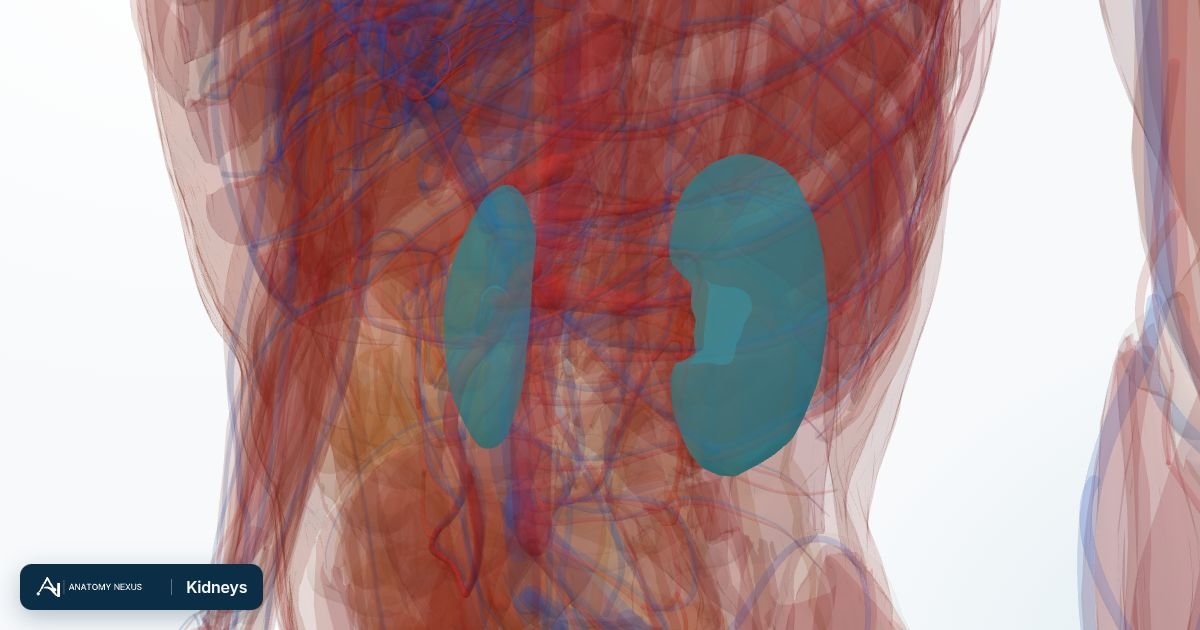
- Also known as
- serum creatinine, plasma creatinine
- Units
- µmol/L (UK) or mg/dL (US); 88.4 µmol/L = 1 mg/dL
- Measured by
- Kidney function tests, Creatinine and eGFR
What it is and what it does
Muscle cells store energy as creatine phosphate, and a fixed fraction breaks down each day into creatinine, which the glomeruli filter freely and the tubules barely reabsorb. When the glomerular filtration rate falls, creatinine accumulates, but the relationship is curved: filtration can halve before creatinine leaves the reference interval, and small rises at low values mean large losses of function. Because production depends on muscle mass, a frail older person and a muscular young athlete have different normal values for the same kidney function, which is why laboratories convert creatinine into an estimated GFR that accounts for age and sex. A rising creatinine over hours to days defines acute kidney injury; a persistently reduced eGFR over three months defines chronic kidney disease.
Why it may be higher
- Acute kidney injury: dehydration, sepsis, shock, obstruction, nephrotoxic drugs, contrast
- Chronic kidney disease from diabetes, hypertension, glomerular disease and others
- Large muscle mass, creatine supplements, a large meat meal, muscle breakdown (rhabdomyolysis)
- Medicines that block tubular secretion without harming the kidney (trimethoprim, cimetidine), and ACE inhibitors or ARBs starting (a small expected rise)
Why it may be lower
- Low muscle mass: older age, frailty, amputation, muscle-wasting disease
- Pregnancy (higher filtration), liver disease, malnutrition
A high or low value can be associated with several different situations. The result is interpreted with other results, symptoms, history and clinical findings.
What can affect the result
- Muscle mass, sex, age and ethnicity affect the value for a given filtration rate
- Cooked meat, creatine supplements and intense exercise in the previous day
- Hydration; some medicines
- Assay standardisation between laboratories
Medicines that can change it
Each medicine page lists its effect on this marker under "Effects on tests and results", with the source.