



Albumin
Also known as: serum albumin, plasma albumin
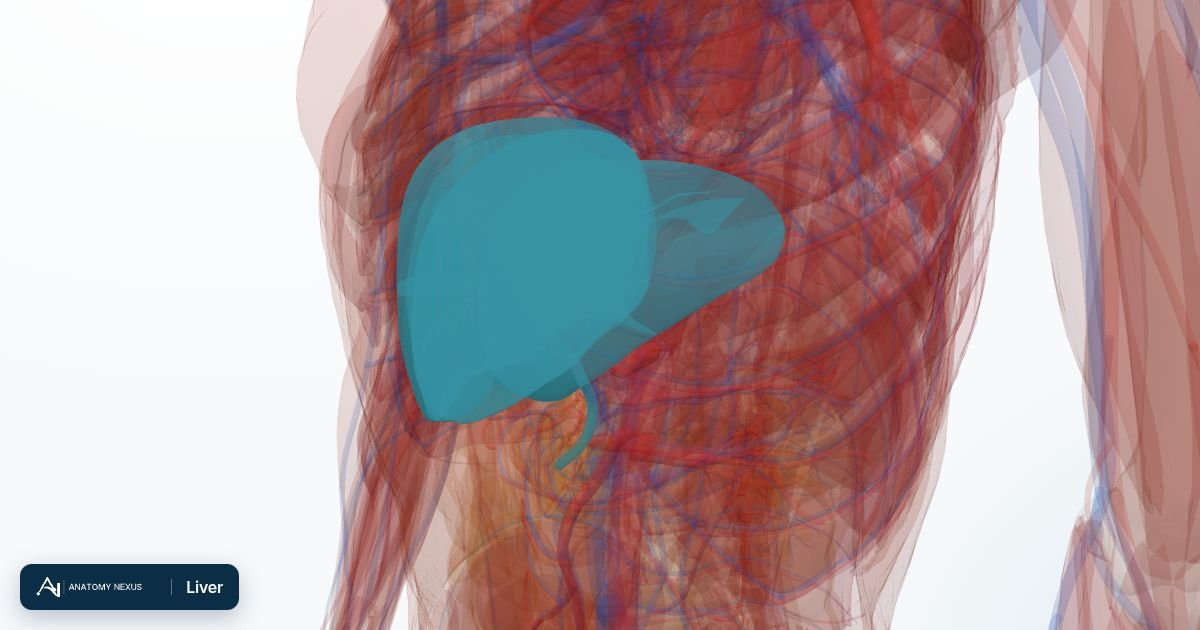
The most abundant protein in blood, made by the liver. It keeps fluid inside the vessels and carries hormones, drugs, calcium and bilirubin. A low level is common in serious illness and reflects inflammation, loss or poor liver synthesis rather than any one disease.
- Also known as
- serum albumin, plasma albumin
- Units
- g/L (UK) or g/dL (US)
- Measured by
- Liver function tests, Urine protein, Kidney function tests
What it is and what it does
Albumin holds water in the circulation by osmotic pull; when it falls, fluid leaks into tissues and causes oedema and ascites. The liver makes about 10 to 15 grams a day and the protein lasts about three weeks in the circulation, so albumin is a slow measure of synthetic function and falls late in liver disease. Far more often a low albumin reflects the acute-phase response (the liver switches to making inflammatory proteins such as CRP during infection, surgery or cancer), losses through the kidney (nephrotic syndrome) or gut, malnutrition, or dilution by intravenous fluids. Because many drugs and about half of blood calcium ride on albumin, laboratories report a calcium value adjusted for it.
Why it may be higher
- Dehydration (concentration of the blood) is the only common cause of a genuinely high value
Why it may be lower
- Acute and chronic inflammation, infection, sepsis, surgery, cancer
- Cirrhosis and other severe liver disease
- Nephrotic syndrome (loss in urine), protein-losing enteropathy, burns
- Malnutrition and malabsorption
- Heart failure, pregnancy, intravenous fluid dilution, older age
A high or low value can be associated with several different situations. The result is interpreted with other results, symptoms, history and clinical findings.
What can affect the result
- Posture (lying down lowers it slightly), tourniquet time and hydration
- Acute illness at the time of sampling
- Pregnancy