



Bilirubin
Also known as: total bilirubin, conjugated bilirubin, unconjugated bilirubin, direct bilirubin, indirect bilirubin
The yellow pigment made when old red cells are broken down, processed by the liver and excreted in bile. A high level causes jaundice; whether the excess is unconjugated or conjugated tells whether the problem lies before the liver, inside it or in the bile ducts.
- Also known as
- total bilirubin, conjugated bilirubin, unconjugated bilirubin, direct bilirubin, indirect bilirubin
- Units
- µmol/L (UK) or mg/dL (US); 17.1 µmol/L = 1 mg/dL
- Measured by
- Liver function tests, Full blood count, Urinalysis
What it is and what it does
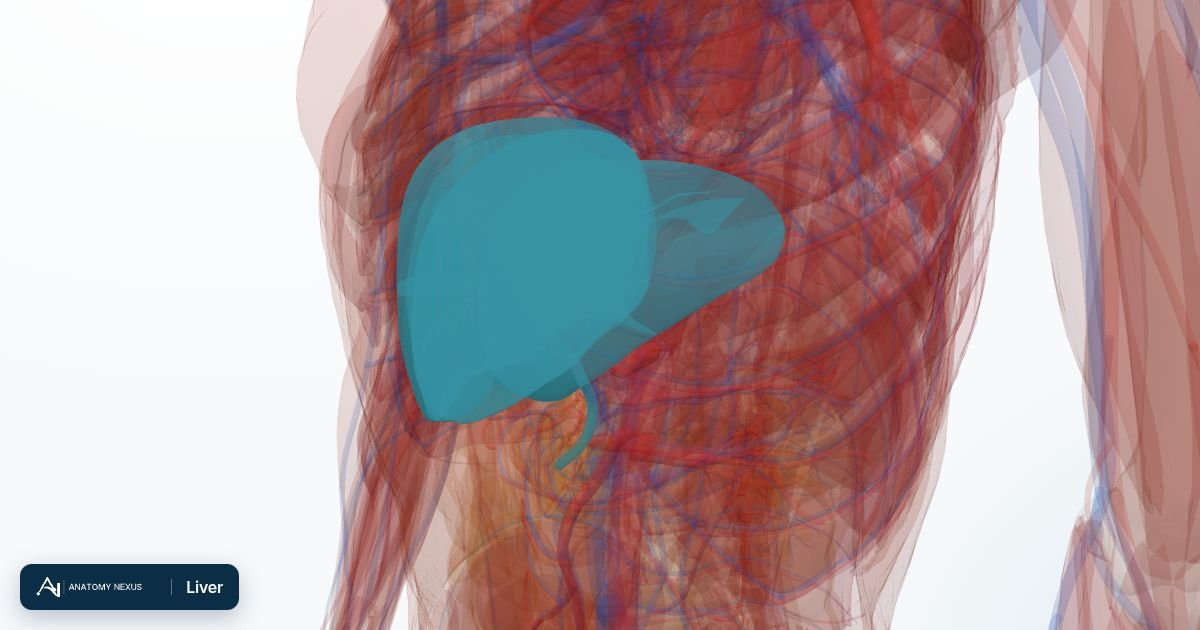
About 1% of red cells are retired every day, and their haemoglobin is converted into unconjugated bilirubin, which travels bound to albumin to the liver. Hepatocytes attach glucuronic acid to make water-soluble conjugated bilirubin and secrete it into bile, where it gives stools their colour. Excess unconjugated bilirubin means too much production (haemolysis) or slow conjugation (newborns, Gilbert syndrome); excess conjugated bilirubin means damaged hepatocytes or blocked bile ducts, and it spills into urine, turning it dark. Jaundice becomes visible in the whites of the eyes and skin once the total rises above roughly 40 to 50 µmol/L. In newborns very high levels can injure the brain, so bilirubin is monitored closely in the first days of life.
Why it may be higher
- Haemolysis: haemolytic anaemias, transfusion reactions, large bruises (unconjugated)
- Gilbert syndrome, a common harmless inherited slowing of conjugation (unconjugated, rises with fasting and illness)
- Hepatitis, cirrhosis, drug-induced liver injury (mixed)
- Bile-duct obstruction by stones, strictures or tumours, primary biliary cholangitis (conjugated)
- Newborn jaundice
Why it may be lower
- No clinical significance
A high or low value can be associated with several different situations. The result is interpreted with other results, symptoms, history and clinical findings.
What can affect the result
- Fasting and intercurrent illness raise unconjugated bilirubin in Gilbert syndrome
- Haemolysed samples and exposure of the sample to light
- Some medicines interfere with the assay or with excretion