



Gallstones
Also known as: cholelithiasis, biliary colic, cholecystitis
Hard deposits, usually of cholesterol, that form in the gallbladder when bile becomes supersaturated.
Overview
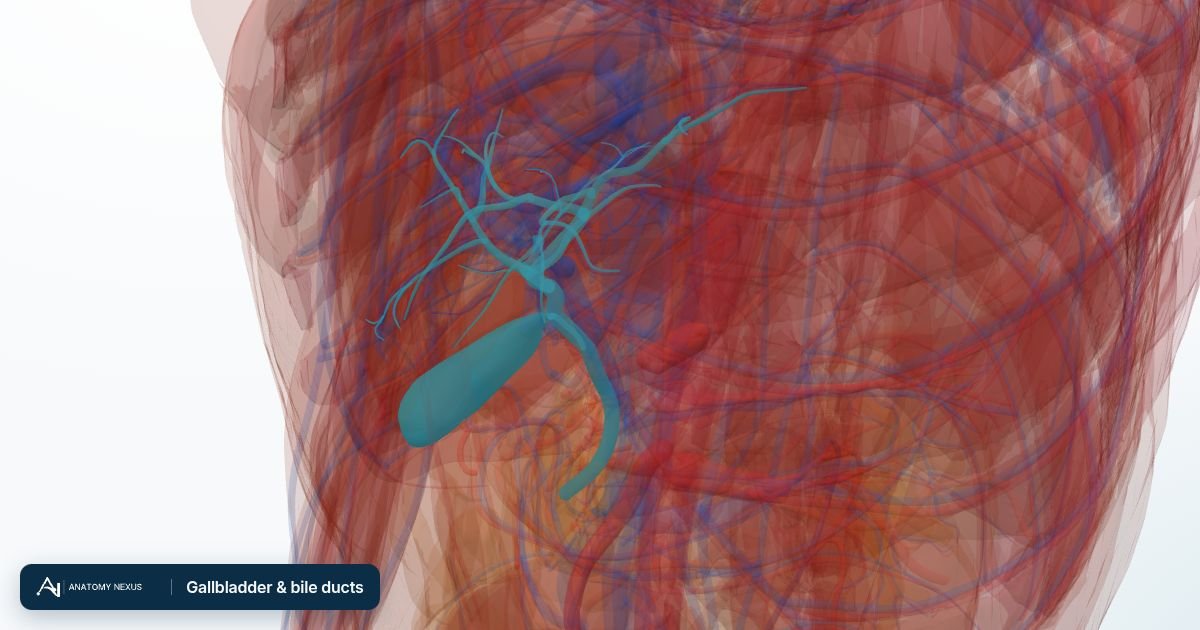
Gallstones are present in about one adult in ten and most cause no trouble. Symptoms begin when a stone blocks the gallbladder outlet (biliary colic), inflames the gallbladder (cholecystitis), or escapes into the bile duct where it causes jaundice, infection of the bile (cholangitis) or pancreatitis.
Causes
- Cholesterol supersaturation of bile with sluggish gallbladder emptying
- Pigment stones from red cell breakdown (haemolysis) or infection
Risk factors
- Female sex, pregnancy and oestrogen
- Age over 40
- Obesity and rapid weight loss
- Family history
- Diabetes
- Certain drugs (fibrates, octreotide)
Symptoms
What a clinician may find
- Right upper quadrant tenderness worse on breathing in (Murphy's sign)
- Fever in cholecystitis
- Jaundice with a duct stone
Complications
- Acute cholecystitis and empyema
- Bile duct obstruction and cholangitis
- Acute pancreatitis
- Gallstone ileus
- Gallbladder cancer (rare)
Diagnosis
Ultrasound shows stones and a thickened gallbladder wall; liver function tests and lipase detect duct obstruction and pancreatitis; MRCP or endoscopic ultrasound finds duct stones.
Treatment
Silent stones need no treatment. Symptomatic stones: laparoscopic removal of the gallbladder (cholecystectomy), ideally within days of a cholecystitis attack; duct stones are removed endoscopically (ERCP). Pain relief, fluids and antibiotics for infection.
Prevention
Healthy weight lost gradually, regular meals, a diet high in fibre and low in refined carbohydrate.
When to seek care
Urgent assessment for abdominal pain lasting more than a few hours, pain with fever or shivering, or yellowing of the skin or eyes.