



Procedure · Operations
Cholecystectomy
Also known as: gallbladder removal, laparoscopic cholecystectomy, lap chole
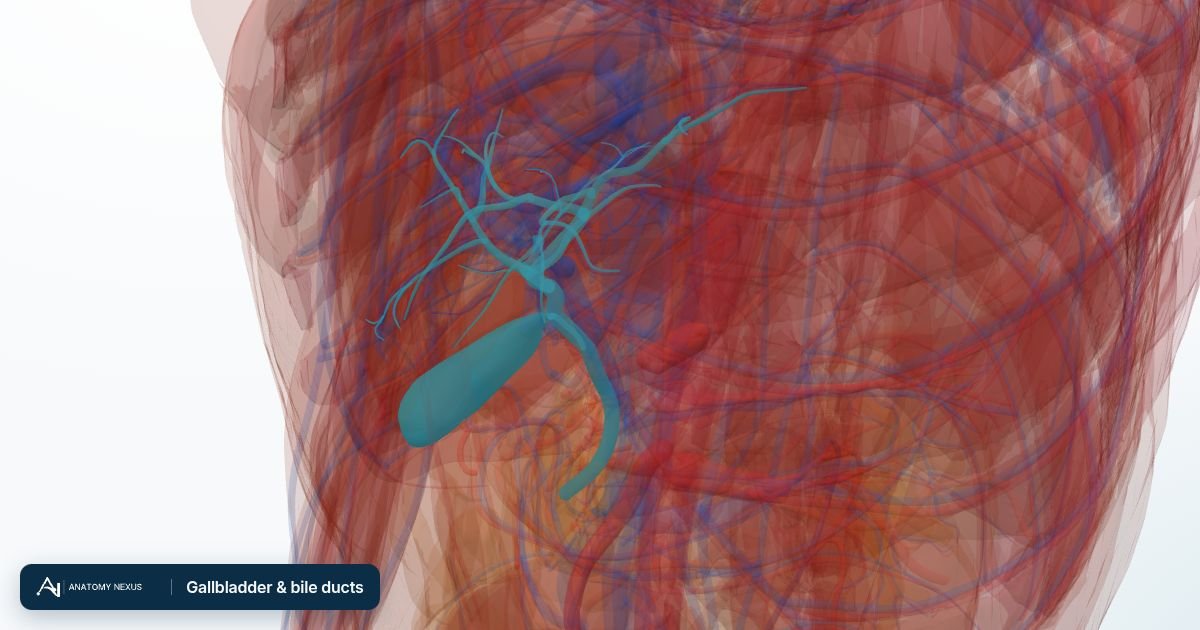
Removal of the gallbladder, the small sac under the liver that stores bile. The commonest planned abdominal operation, almost always done by keyhole surgery. The liver keeps making bile, which then flows straight into the duodenum.
What it is
Removal of the gallbladder, the small sac under the liver that stores bile. The commonest planned abdominal operation, almost always done by keyhole surgery. The liver keeps making bile, which then flows straight into the duodenum.
Why it is done
- Gallstones causing repeated pain (biliary colic)
- Acute cholecystitis (an inflamed, infected gallbladder)
- Gallstone pancreatitis, once recovered, to prevent recurrence
- Gallbladder polyps above 10 mm or a porcelain gallbladder (cancer risk)
Before the procedure
- Ultrasound confirming stones; liver function tests; MRCP or ERCP if stones are suspected in the bile duct
- Fasting; general anaesthetic
- Antibiotics at induction if inflamed
Step by step
- Four ports: one at the navel for the camera, three under the right ribs
- The gallbladder is retracted upward to expose Calot's triangle
- The cystic duct and cystic artery are identified with a 'critical view of safety', clipped and divided
- The gallbladder is peeled off the liver bed with diathermy and removed in a bag through the navel port
- An X-ray of the bile duct (cholangiogram) may be done during the operation
Afterwards
- Home the same day or next morning
- Shoulder-tip pain from residual gas for a day or two
- Normal diet resumed; some people notice looser stools after fatty meals
Recovery
Most people return to normal activities within two weeks; heavy lifting avoided for a few weeks.
Risks
- Bile leak from the liver bed or cystic duct stump (1-2%)
- Injury to the common bile duct (about 1 in 300), the serious complication
- Bleeding, infection, retained stones in the duct
- Conversion to open surgery (a few per cent, more in acute inflammation)
Alternatives
- Watchful waiting for stones with no symptoms
- Antibiotics and a drainage tube (cholecystostomy) in patients too unwell for surgery
- Bile-acid tablets for tiny stones (slow, often recur)
Educational content. A general description of how a procedure is usually done. Details vary between hospitals, surgeons and patients; the treating team explains the specifics and the consent.