



Procedure · Operations
Appendicectomy
Also known as: appendectomy, appendix removal, laparoscopic appendicectomy
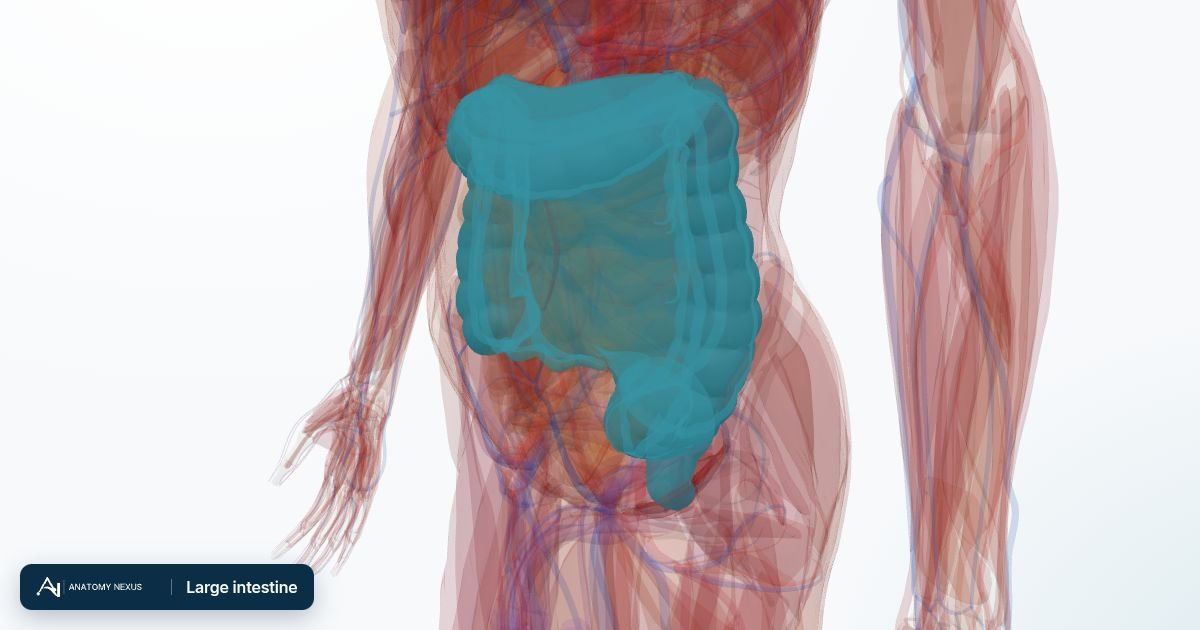
Removal of the inflamed appendix, the blind-ended tube hanging off the caecum at the start of the large intestine. Usually done through three small keyhole incisions with a camera (laparoscopically), occasionally through a single cut in the right lower abdomen.
What it is
Removal of the inflamed appendix, the blind-ended tube hanging off the caecum at the start of the large intestine. Usually done through three small keyhole incisions with a camera (laparoscopically), occasionally through a single cut in the right lower abdomen.
Why it is done
- Acute appendicitis, to prevent perforation and peritonitis
- An appendix mass or abscess after initial antibiotics and drainage
- Occasionally, an appendix tumour found on imaging or during other surgery
Before the procedure
- Blood tests, pregnancy test in women, sometimes ultrasound or CT
- Nil by mouth; intravenous fluids and antibiotics
- Consent and marking; general anaesthetic
Step by step
- Carbon dioxide inflates the abdomen through a port at the navel to create working space
- A camera and two instruments are introduced through 5-12 mm ports
- The appendix is lifted, its blood supply in the mesoappendix sealed, and its base tied or stapled at the caecum
- The appendix is removed in a bag; any pus is washed out
- Ports are removed and the small wounds closed with dissolvable stitches
Afterwards
- Home the same or next day for uncomplicated cases
- Simple painkillers; walk early
- Antibiotics continued for a few days if the appendix had perforated
Recovery
Back to desk work in about a week and to sport in two to four weeks after keyhole surgery; longer after open surgery or a perforated appendix.
Risks
- Wound infection (more after perforation)
- Pelvic abscess
- Bleeding, injury to bowel or bladder (rare)
- Stump leak, adhesions, hernia at the port site (rare)
- Anaesthetic risks
Alternatives
- Antibiotics alone for uncomplicated appendicitis: works in most short term, but about a third need surgery within a few years
- Drainage and delayed surgery for an abscess
Educational content. A general description of how a procedure is usually done. Details vary between hospitals, surgeons and patients; the treating team explains the specifics and the consent.