Also known as: non-steroidal anti-inflammatory drugs, anti-inflammatories
Painkillers that also reduce inflammation and fever: ibuprofen, naproxen, diclofenac and the COX-2 selective coxibs. Excellent for short-term musculoskeletal pain, hazardous when used long term without care.
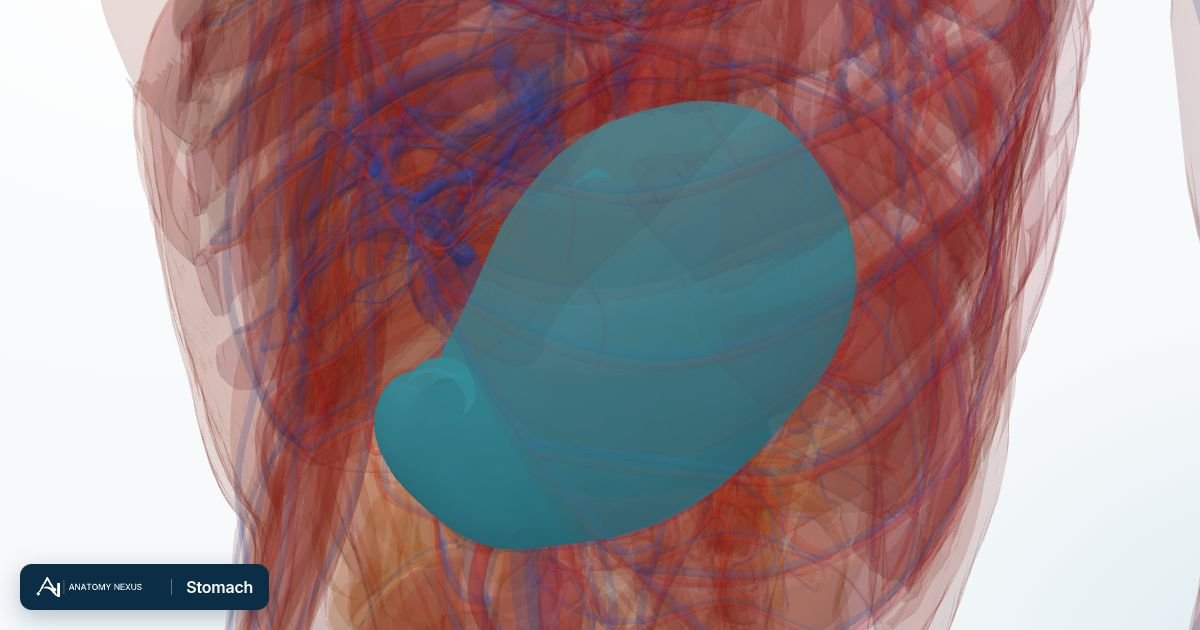
NSAIDs block the cyclo-oxygenase enzymes COX-1 and COX-2, cutting production of prostaglandins, the local messengers that sensitise pain nerves, dilate vessels in inflamed tissue and reset the brain's thermostat in fever. The same prostaglandins protect the stomach lining and keep blood flowing through the kidney, so ulcers, kidney injury, fluid retention and raised blood pressure are the class hazards. COX-2 selective agents spare the stomach somewhat but carry more cardiovascular risk.
Avoid in kidney disease, heart failure, active ulcers, late pregnancy
Never two NSAIDs together; care with anticoagulants, ACE inhibitors, diuretics, lithium, methotrexate
Topical gels give local relief with far fewer side effects
Class warnings
All NSAIDs increase the risk of gastrointestinal ulceration and bleeding, kidney injury, fluid retention, raised blood pressure and thrombotic cardiovascular events; the lowest effective dose for the shortest time, with gastroprotection where indicated. UK
Contraindicated with a history of NSAID-related gastrointestinal bleeding or perforation, active peptic ulcer, severe heart failure and in the third trimester of pregnancy; avoided in severe kidney or liver impairment and in aspirin-sensitive asthma. UK
Any NSAID (ibuprofen, naproxen, diclofenac, celecoxib, high-dose aspirin) with losartan can reduce its effect and cause acute kidney injury and hyperkalaemia.
Why it can occur
nephrotoxicity
What official information says
UK information advises telling a doctor before taking anti-inflammatory painkillers with losartan; the BNF advises monitoring renal function.
What to discuss with a clinician
Avoid regular use where possible; monitor kidney function and potassium if combined.
Contraindicated or avoidOfficial guidance: avoid the combinationtherapeutic duplication
Taking ibuprofen with another NSAID (naproxen, diclofenac, celecoxib, high-dose aspirin) adds stomach, kidney and heart harm without extra pain relief.
Why it can occur
additive bleeding risk
What official information says
UK information advises not taking ibuprofen with similar painkillers such as aspirin or naproxen without talking to a pharmacist or doctor.
What to discuss with a clinician
Official UK information: one NSAID at a time.
Basis of the status
NHS: Taking ibuprofen with other medicines (do not take with similar painkillers)
Therapeutic duplication. Two NSAIDs together (including aspirin at pain-relief doses, or an oral NSAID with a prescription NSAID such as naproxen) add gastrointestinal, kidney and cardiovascular harm without extra pain relief; UK information advises not taking ibuprofen with similar painkillers without advice. UK
Educational content. A drug class page describes what a family of medicines has in common. Individual medicines differ in dose, licensing and interactions; treatment choices belong to a prescriber.