



Rheumatoid arthritis
Also known as: RA
A chronic autoimmune disease in which the immune system attacks the synovial lining of joints, causing symmetrical inflammation that can destroy cartilage and bone.
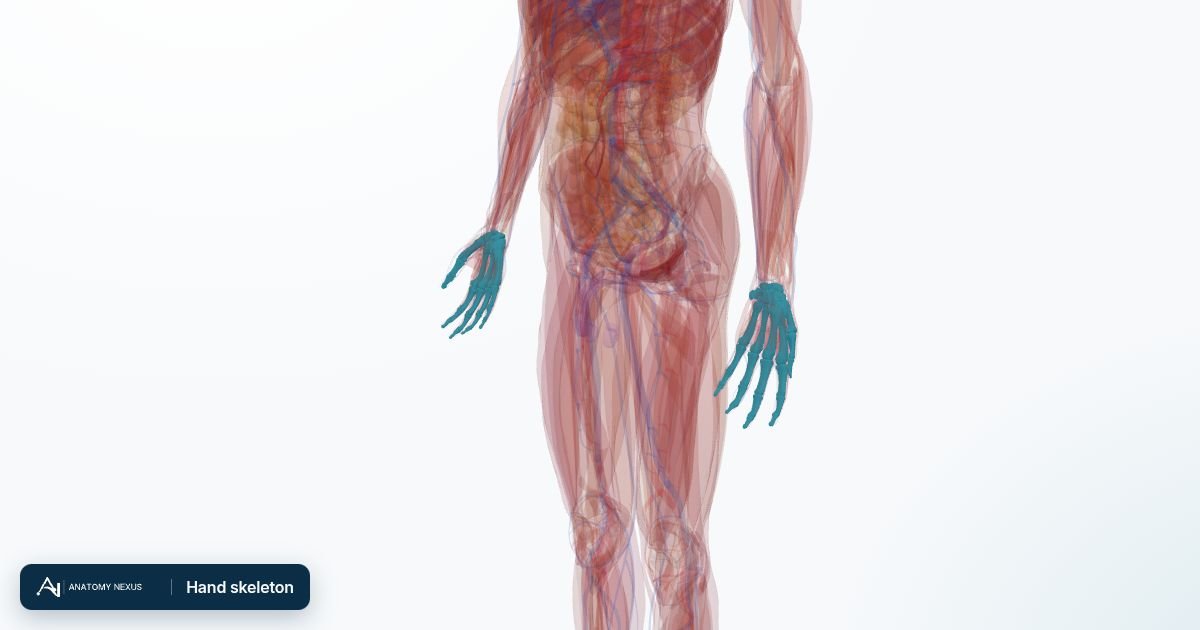
Overview
Rheumatoid arthritis typically starts in the small joints of the hands and feet with prolonged morning stiffness and swelling, and can involve the eyes, lungs, heart and blood vessels. Untreated it deforms and disables; started early, disease-modifying drugs now prevent most damage.
Causes
- Autoimmunity against citrullinated proteins, in genetically susceptible people, often triggered by smoking or infection
Risk factors
- Female sex
- Age 30 to 60
- Smoking
- Family history
- Periodontal disease
- Obesity
Symptoms
What a clinician may find
- Symmetrical swelling of metacarpophalangeal and proximal interphalangeal joints
- Morning stiffness over an hour
- Rheumatoid nodules
- Later: ulnar deviation, swan-neck deformities
Complications
- Joint destruction and deformity
- Cardiovascular disease
- Lung fibrosis, pleural disease
- Anaemia, osteoporosis
- Cervical spine instability (atlanto-axial subluxation)
Diagnosis
Clinical pattern plus rheumatoid factor and anti-CCP antibodies, raised CRP and ESR, and ultrasound or X-ray showing synovitis and erosions. Early referral to rheumatology within weeks changes outcomes.
Treatment
Methotrexate started early, with short-term steroids to control symptoms; biologic drugs (anti-TNF, anti-IL-6, B-cell depletion) or JAK inhibitors if disease stays active; NSAIDs for pain; physiotherapy, occupational therapy and cardiovascular risk management.
Prevention
Not smoking and good dental health reduce risk; early treatment prevents damage.
When to seek care
See a doctor within weeks for swelling of several joints with morning stiffness; urgent care for a single hot joint with fever or new neck pain with tingling in the arms.