



Drug class · Skeleton
Bisphosphonates
Also known as: bone-strengthening drugs
Medicines that slow bone loss by disabling the cells that dissolve bone, cutting hip and spine fractures in osteoporosis and treating Paget's disease and cancer in bone.
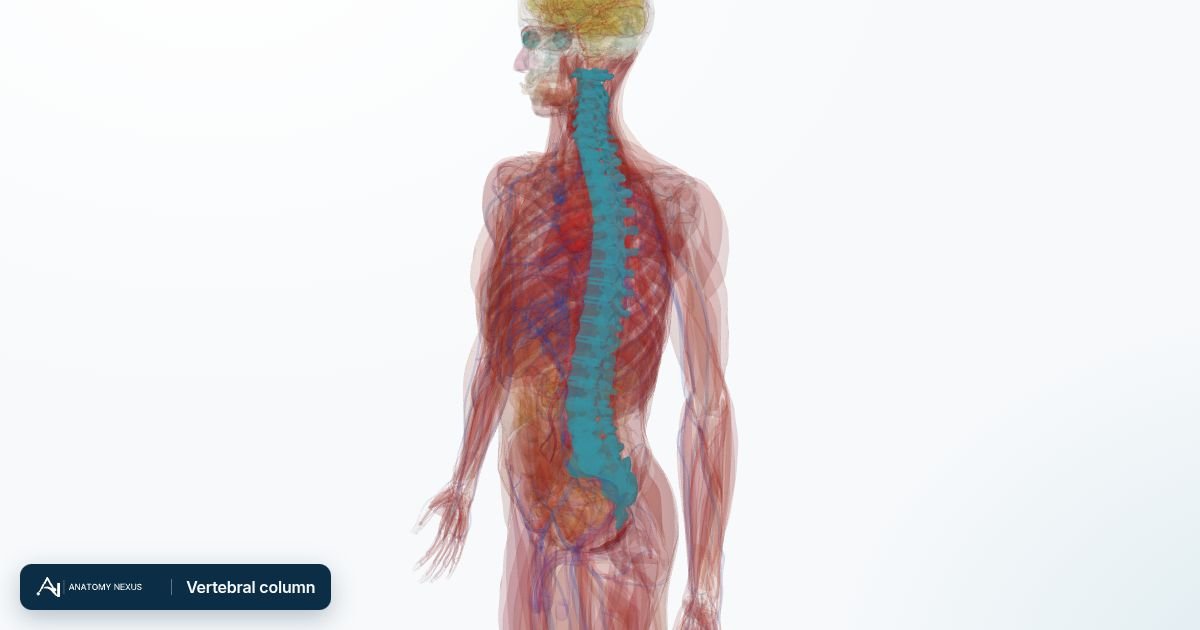
- Biological target
- Farnesyl pyrophosphate synthase in osteoclasts
- Also called
- bone-strengthening drugs
Mechanism of action
Bisphosphonates bind bone mineral; when osteoclasts resorb that surface they absorb the drug, which disables their metabolism and triggers their death. Resorption falls while bone-building continues for a time, so density rises a few per cent and the bone's fine architecture is preserved. Weekly alendronate and risedronate, monthly ibandronate and yearly zoledronic acid infusions are the main forms.
Members of the class
alendronic acidrisedronateibandronatezoledronic acidpamidronate
Members with a page on this site are linked.
Conditions treated
Class effects
- Indigestion and oesophageal irritation with tablets
- Flu-like illness after the first infusion
- Rarely osteonecrosis of the jaw and atypical femoral fractures
Cautions
- Tablets taken upright with a full glass of water, 30 minutes before food
- Correct vitamin D and calcium first; dental check
- Not with eGFR below 35
- Review after 3-5 years
Class warnings
- Oral bisphosphonates can cause oesophageal irritation and ulceration; they are taken on an empty stomach with a full glass of water, standing or sitting upright for 30 minutes. Osteonecrosis of the jaw and atypical femoral fractures are rare with long-term use; dental review is advised before starting. UK
- Contraindicated in abnormalities of the oesophagus that delay emptying, in inability to stand or sit upright for 30 minutes, and in hypocalcaemia; vitamin D and calcium are corrected first. UK
Class interactions
| With | Effect | Source |
|---|---|---|
| Calcium, iron, antacids, food and drink other than water | Markedly reduce absorption; taken at least 30 minutes before anything else. | UK |
| NSAIDs and aspirin | Additive gastrointestinal irritation. | UK |
Open the Drug Interaction Checker
Educational content. A drug class page describes what a family of medicines has in common. Individual medicines differ in dose, licensing and interactions; treatment choices belong to a prescriber.