



Alendronate
A weekly bisphosphonate that slows bone breakdown, strengthening bone in osteoporosis and cutting the risk of hip and spine fractures.
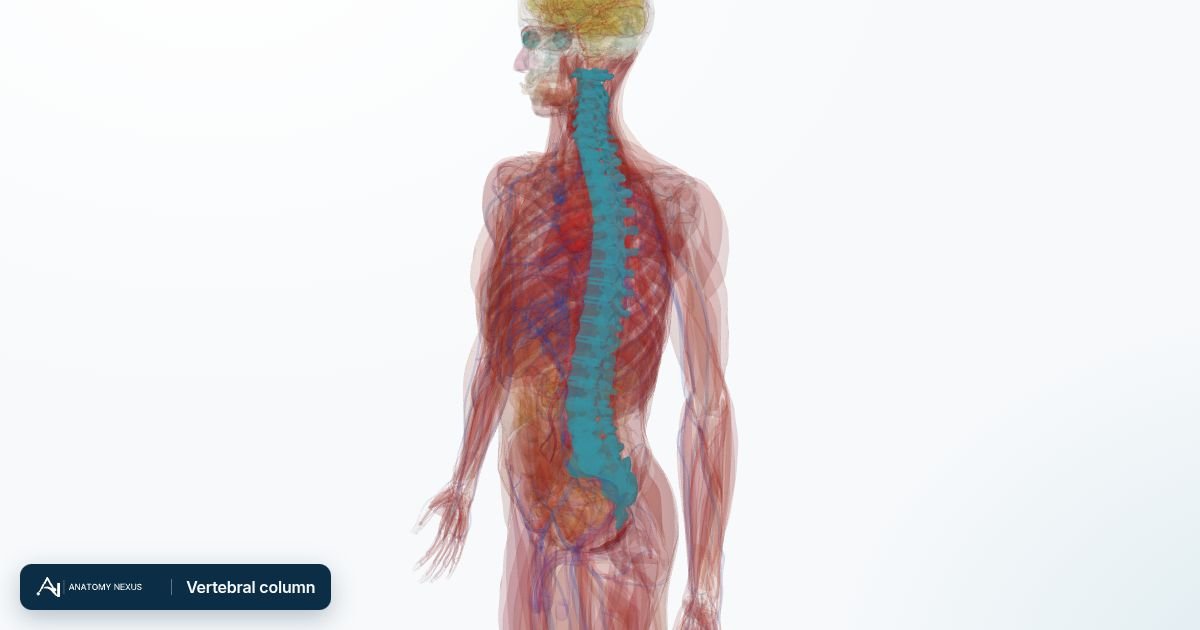
- Generic name
- Alendronate
- Active ingredient
- Alendronate (variants: alendronic acid, alendronate sodium)
- Product type
- Small-molecule medicine
- Drug class
- Bisphosphonates
- Brand names
- UK Fosamax, Binosto · US Fosamax, Binosto
- Routes
- Oral
- Dosage forms
- Tablet, Effervescent tablet, Solution
- Forms
- Tablets 70 mg once weekly (or 10 mg daily), swallowed with a full glass of plain water on an empty stomach, standing or sitting upright for 30 minutes before food, drink or other medicines; effervescent and liquid forms; risedronate weekly; ibandronate monthly; zoledronic acid infusion yearly
- Onset and duration
- Bone turnover falls within weeks; fracture reduction from about a year. Usually 5 years, then reviewed (drug 'holiday').
- Terminology
- RxNorm RxCUI 46041 · ATC M05BA04 · FDA EPC Bisphosphonate [EPC]
- Monitoring
- Bone density scan every 3-5 years; calcium and vitamin D; kidney function for intravenous forms.
Availability by country
| Country | Status | Note | Source |
|---|---|---|---|
| UK | Prescription only | UK |
Legal status differs between countries and can change; each row cites the document it was taken from and applies only to the country named.
What it is used for
- Osteoporosis: preventing hip, spine and wrist fractures in postmenopausal women and men at high risk
- Bone protection during long courses of steroid tablets
- Zoledronic acid infusions for osteoporosis (yearly), Paget disease, bone metastases and high calcium in cancer
How it works in the body
The drug binds tightly to bone mineral, and when osteoclasts (the cells that dissolve bone) resorb that surface they take it up, which disables their metabolism and triggers their death. Resorption falls while bone-building osteoblasts keep working for a time, so bone density rises by a few per cent and, more importantly, the microarchitecture is preserved; hip fractures fall by about 40% and spine fractures by half.
Common side effects
- Indigestion, heartburn, abdominal pain, constipation or diarrhoea
- Muscle and joint aches; flu-like illness after the first zoledronic acid infusion
Serious: seek help
- Oesophageal ulcers and strictures if the dosing instructions are not followed
- Osteonecrosis of the jaw (rare, mostly with high-dose cancer regimens; dental check before starting)
- Atypical femoral fractures after many years of use (thigh pain is a warning)
- Low calcium, eye inflammation, kidney impairment with intravenous forms
Cautions and interactions
- Correct vitamin D deficiency and ensure adequate calcium before starting
- Not used with eGFR below 35, swallowing disorders, active oesophageal disease, or inability to sit upright
- Dental review and good oral hygiene; tell the dentist
- Review at 5 years (3 for zoledronate): continue in those at highest risk
Interactions
Check interactions
Taking Alendronate with other medicines? Add them to the checker to see what the official sources say about each pair: the mechanism, general management and monitoring, never a bare "safe".
Interactions documented in the official sources cited on each card. The list covers the medicines represented on this site and is not exhaustive; how the interaction data is compiled.
No pair records for this medicine are in the sources currently represented by Anatomy Nexus. Absence from this list does not mean no interaction exists.
Same-class and related medicines
Same class: Bisphosphonates
Medicines that share the class of Alendronate. They are separate medicines with their own licences, doses and interactions, not alternative names for Alendronate.
Related medicines
Medicines often discussed alongside Alendronate: used together, compared with it, or acting on the same problem by a different route.