



Vitamin D test
Also known as: 25-hydroxyvitamin D test, vitamin D blood test, calcidiol
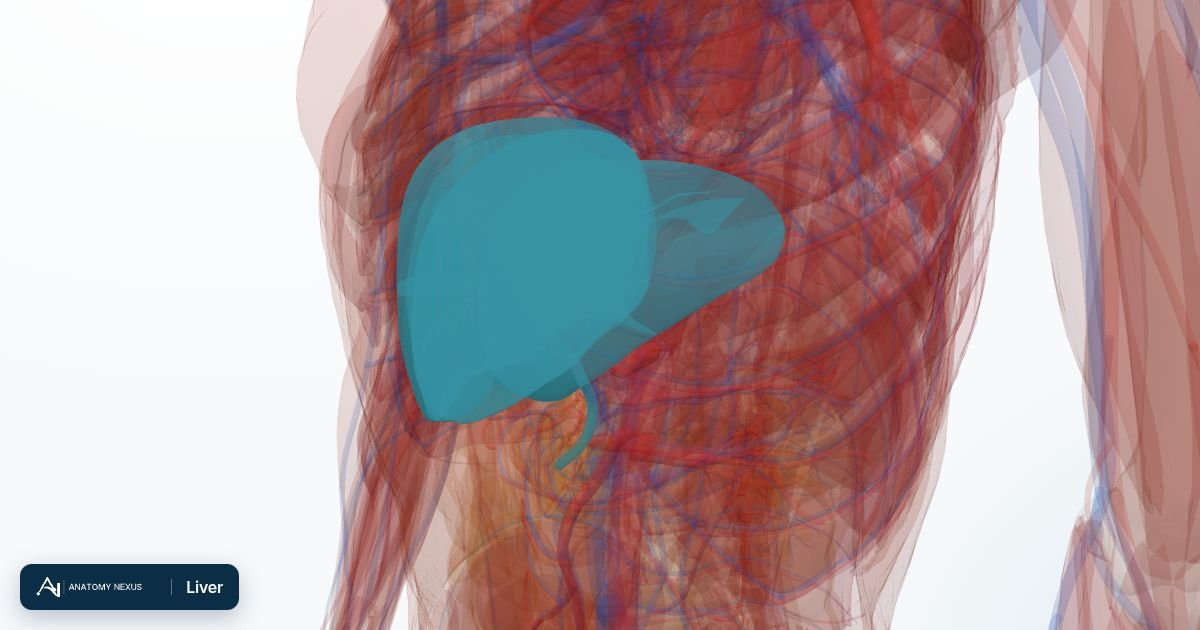
Measures 25-hydroxyvitamin D, the storage form the liver makes from vitamin D obtained from sunlight on skin and from food or supplements. It is the best single measure of vitamin D status and is used when bone pain, muscle weakness, osteoporosis, malabsorption or a low calcium make deficiency likely.
- Canonical name
- 25-hydroxyvitamin D
- Abbreviations
- 25-OH D, 25(OH)D
- Kind
- Laboratory test
- Categories
- Vitamins, minerals & nutrition, Endocrine & hormone, Bone, joint & musculoskeletal
- Specimen
- Serum
- Method
- Immunoassay, Chromatography and mass spectrometry
- Terminology
- LOINC 62292-8
- Type
- Blood test
- Sample
- Blood from a vein
- Used for
- Suspected vitamin D deficiency, bone disease, malabsorption, before bone treatments
- Measures
- 25-hydroxyvitamin D, the storage form of vitamin D
- Result
- Numeric, read against deficiency and adequacy cut-offs
Why is it used?
- Bone pain, muscle weakness or unexplained fatigue when deficiency is suspected
- Osteoporosis, fractures and before starting bone treatments
- Low calcium or a raised alkaline phosphatase or parathyroid hormone
- Conditions that impair absorption: coeliac disease, inflammatory bowel disease, after bariatric surgery
- Chronic kidney disease and some other long-term conditions
What does it measure?
| Component | What it measures | A higher value may be seen in | A lower value may be seen in |
|---|---|---|---|
| 25-hydroxyvitamin D | The storage form of vitamin D | Excess supplements | Little sunlight, low intake, malabsorption, kidney or liver disease |
A high or low value can be associated with several different situations; the result is interpreted with other results, symptoms, history and clinical findings.
How is it performed?
A venous blood sample.
Specimen. Venous blood (serum)
Do I need to prepare?
None.
What do the results generally mean?
| Finding | What it may indicate |
|---|---|
| Deficient | Levels at which bone softening (rickets in children, osteomalacia in adults) becomes likely; treatment with vitamin D is usually given |
| Insufficient | Below the level considered adequate for bone health; supplementation is often advised, particularly in groups at risk |
| Adequate | Sufficient for bone health in most people |
| Very high | Usually from excess supplements; can cause a high calcium and is reviewed |
What can affect the result?
- Season and latitude: levels fall in winter and in people who cover their skin or stay indoors
- Skin pigmentation, age and body weight
- Supplements and fortified foods
- Liver and kidney disease, which affect the conversion of vitamin D
- The assay method, which changes results between laboratories
Medicines. Vitamin D supplements raise it; some antiepileptics, glucocorticoids, orlistat and cholestyramine lower it.
What can the test not tell you?
- Bone density, which needs a DXA scan
- Whether symptoms are caused by the deficiency, which is common and often coincidental
- The active hormone level (1,25-dihydroxyvitamin D), a separate test used only in specific disorders
Population screening is not recommended; the test is for people with symptoms or risk factors. Assays vary and the value moves with the seasons, so a single result is interpreted with the time of year and the person's circumstances.
Other tests commonly used with it
Catalogued concepts this page covers
Concepts of the master test taxonomy that resolve to this page; each links to its category.