



Hormone tests
Also known as: endocrine tests, hormone blood tests
Blood levels of hormones and related chemicals, interpreted against the time of day, the cycle and the level of the controlling hormone from the pituitary. Includes cortisol, sex hormones, prolactin, growth hormone, parathyroid hormone, vitamin D and, by convention on this site, uric acid.
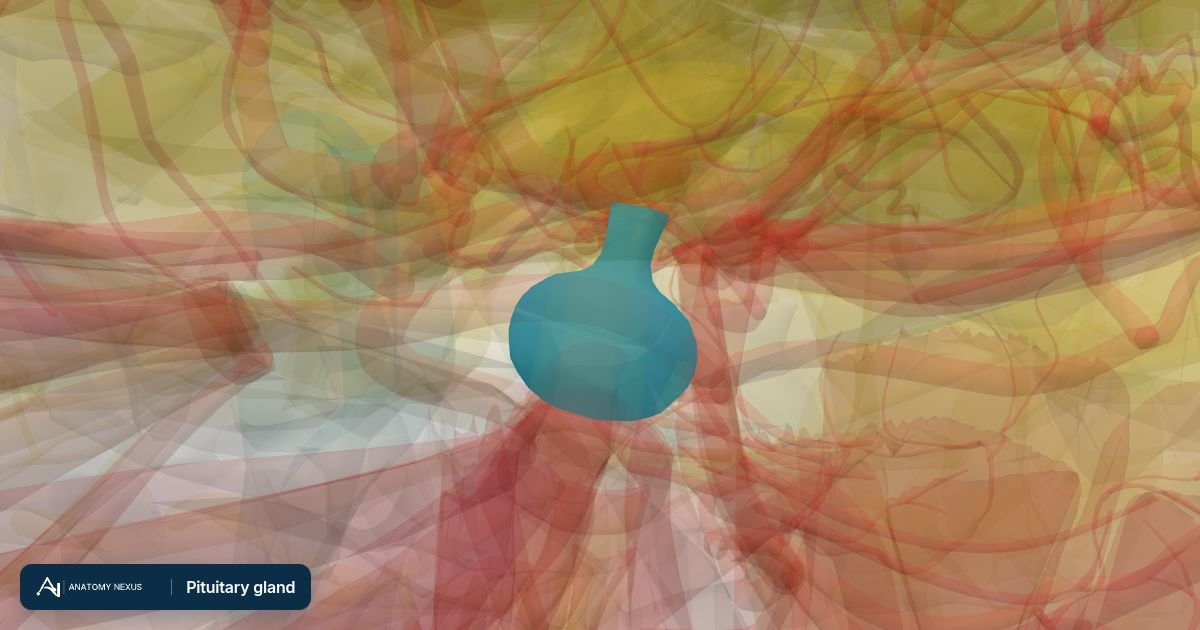
- Kind
- Laboratory test
- Categories
- Endocrine & hormone, Reproductive & fertility
- Specimen
- Serum
- Method
- Immunoassay
What it measures
| Measure | What it tells you |
|---|---|
| Cortisol | The stress hormone from the adrenal cortex; highest at 9 am. Low in Addison disease, high in Cushing syndrome. |
| Testosterone and oestradiol | Sex hormones; measured with LH and FSH from the pituitary to tell gland failure from pituitary failure. |
| Prolactin | Raised by pituitary tumours, stress, many drugs and pregnancy; causes milk production and lost periods. |
| Parathyroid hormone and vitamin D | Control calcium and bone; a high PTH with high calcium is primary hyperparathyroidism. |
| Uric acid (urate) | The waste product that crystallises in gout; above 360 micromol/L raises risk, targets in gout are below 300-360. |
Why it is ordered
- Suspected adrenal, pituitary or gonadal disease
- Osteoporosis and calcium problems
- Gout diagnosis and treatment targets
- Infertility, missed periods, erectile dysfunction, hair changes
- Assessing pituitary function after tumours or surgery
How it is done
Venous blood, often at a set time (9 am cortisol, early morning testosterone) or after a stimulation or suppression drug.
Preparation. Depends on the test; some need fasting, timing to the menstrual cycle, or stopping biotin and steroids.
Reading the result
| Finding | Usual meaning |
|---|---|
| Low 9 am cortisol | Adrenal insufficiency; confirmed with a synacthen stimulation test |
| High PTH and high calcium | Primary hyperparathyroidism, usually a single adenoma |
| Low testosterone with high LH | Testicular failure; low LH points to the pituitary instead |
| Serum urate above 360 | Supports gout, but can be normal during an attack |
Reference ranges vary by laboratory, method, age, sex and clinical context; a result is read against the person, not a table.
Limitations
Hormones pulse and cycle; a single random level is often uninterpretable. Dynamic tests (stimulate or suppress the gland, then measure) are needed to prove most diagnoses.
Catalogued concepts this page covers
Concepts of the master test taxonomy that resolve to this page; each links to its category.