



Transgender and non-binary health
Also known as: trans health, transgender healthcare, gender-affirming care, non-binary health, trans and non-binary health
Trans and non-binary people need the same care as everyone else plus a few things specific to their bodies and treatment: monitoring of gender-affirming hormones, screening matched to the organs they have rather than the gender on their record, attention to bone, clot and cardiovascular risk, fertility and sexual health, and mental health support against the effects of stigma. The organising principle is simple: care follows anatomy.
WPATH, the Endocrine Society and the UCSF Gender Affirming Health Program set out how to care for trans women, trans men and non-binary people. Gender incongruence is classified by the World Health Organization under conditions related to sexual health, not as a mental disorder. Much of good care is ordinary general practice done respectfully: the person's name and pronouns, an accurate record of the organs they have, and hormone therapy monitored like any other long-term medicine. Referral to an NHS gender identity service is made by a GP and waiting times are long, so general practice usually holds the person's ongoing care, often under a shared care agreement, while they wait. Screening invitations and some laboratory reference ranges follow the gender marker on the record rather than the body, so a trans man registered as male is not invited for cervical screening. An inventory of the organs present, updated after surgery, is the practical fix.
Feminising therapy is oestradiol, by patch, gel, tablet or injection, with a testosterone-suppressing medicine until the testes are removed; masculinising therapy is testosterone by gel or injection. Guidelines set the monitoring: hormone levels, aiming for the range of the affirmed gender; potassium and kidney function on spironolactone; haemoglobin and haematocrit on testosterone; blood pressure, weight, lipids, glucose and liver function on both; and prolactin if symptoms such as galactorrhoea, headache or visual change suggest a raised level (guidelines differ on routine testing). Oestrogen raises the risk of venous thrombosis, most with oral preparations, smoking and immobility, so transdermal routes are preferred for people at higher risk. Both hormones protect bone, so bone density is assessed after gonadectomy if hormones are stopped or levels stay low. Both regimens reduce fertility, and storing sperm or eggs is offered before starting.
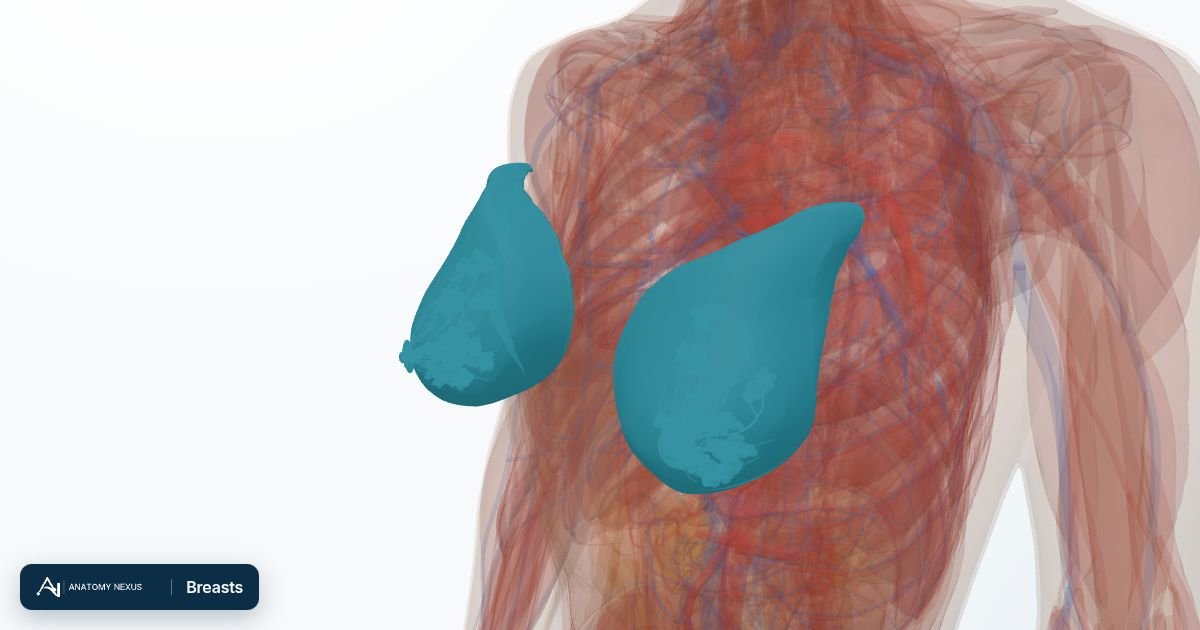
Screening follows the organs present. Anyone with a cervix, including trans men and non-binary people, needs cervical screening from 25 and may have to ask for it; a trans woman has no cervix and does not. Testosterone thins the cervical and vaginal lining, so the test can be uncomfortable and samples are more often reported as inadequate; noting testosterone use on the request form, a smaller speculum, lubricant, or a short course of vaginal oestrogen before the test all help. Trans women registered as female are invited for breast screening between 50 and 71; those registered as male are not invited and can ask for it. The risk that screening addresses follows years of feminising hormones, so invitation depends on the register while the reason for screening depends on hormone exposure. Breast tissue develops on oestrogen, and the breast cancer risk of trans women on long-term oestrogen is thought to be higher than that of cis men though lower than that of cis women. Chest masculinisation leaves some breast tissue, so a new lump still needs assessment. The prostate is not removed at vaginoplasty: it lies behind the front wall of the neovagina, can be examined through it, and PSA is interpreted knowing that testosterone suppression lowers it. Bowel screening is offered by age to everyone in the eligible range whatever the gender marker on the record, and abdominal aortic aneurysm screening is offered to men at 65, so a trans woman registered as female is not invited automatically and can ask.
Testosterone is not contraception: ovulation can continue after periods stop, and testosterone is stopped before a planned pregnancy. Feminising therapy lowers sperm production but is not reliable contraception either. Condoms, regular testing for sexually transmitted infections and HIV pre-exposure prophylaxis (PrEP) where appropriate apply as to anyone; a skin-lined neovagina does not self-lubricate and needs lubricant and regular dilation. After phalloplasty, difficulty passing urine, spraying, leaking or repeated urinary infection should be reported, because urethral stricture and fistula are the commonest complications. Chest binding is safer with a purpose-made binder rather than bandages or tape, with breaks in the day and none overnight, and the same caution applies to tucking. Trans people experience more depression, anxiety and self-harm than the general population, driven largely by rejection, discrimination and delays in care rather than by being trans; support and affirming care reduce that risk, and urgent help is available for anyone thinking of suicide.
Effects on the body
| System | Effect |
|---|---|
| Endocrine | Hormone therapy shifts oestradiol and testosterone into the range of the affirmed gender; levels, potassium and kidney function on spironolactone, lipids and glucose are monitored |
| Reproductive | Fertility falls on both regimens; retained organs (the prostate in trans women; the cervix, uterus and ovaries in trans men unless removed) keep their own risks and screening |
| Skeleton | Sex hormones protect bone; density can fall after gonadectomy or when hormones are interrupted, so bone health is assessed |
| Heart | Blood pressure, weight, lipids and glucose are checked at reviews because both regimens alter cardiovascular risk factors, and smoking adds to the risk |
| Skin | Oestrogen softens skin and slows hair growth; testosterone brings acne, oilier skin and male-pattern hair; hair removal and acne care are common needs |
| Veins | Oestrogen raises the risk of venous thromboembolism, most with oral preparations, smoking and immobility; testosterone raises haematocrit |
Guidance
- Tell your GP and any clinic which organs you have, including after surgery, so that screening, tests and reference ranges follow your anatomy rather than the gender marker on your record
- Screening follows your anatomy: anyone with a cervix, including trans men and non-binary people, needs cervical screening from 25 and should ask if not invited; trans women should attend breast screening when invited or ask for it if registered as male; trans men who have not had chest surgery should ask to be screened if not invited, and after chest surgery any new lump still needs assessment
- Trans women keep a prostate: report urinary symptoms, and ask about abdominal aortic aneurysm screening at 65 if not invited
- Attend hormone monitoring (blood tests, blood pressure, weight) and do not take hormones bought online without telling a doctor, so that levels and blood counts can be checked
- Do not smoke: smoking multiplies the clot risk of oestrogen and the cardiovascular risk of either regimen; keep active and know the signs of a clot (swollen painful leg, chest pain, sudden breathlessness)
- Discuss storing sperm or eggs before starting hormones or having surgery on the testes or ovaries; neither testosterone nor oestrogen is contraception, so use contraception if pregnancy is to be avoided, and use condoms and consider PrEP
- Bind and tuck safely: a purpose-made binder, not bandages or tape, taken off to sleep and loosened for strenuous exercise; see a doctor for pain, breathlessness or skin damage
- Ask for mental health support if low mood or anxiety persist, and get urgent help from emergency services or a crisis line for thoughts of suicide or self-harm