



Ovarian cancer
Also known as: cancer of the ovary, ovarian carcinoma, epithelial ovarian cancer, fallopian tube cancer, primary peritoneal cancer
A malignant tumour of the ovary or, as is now recognised for many cases of the commonest type, of the adjacent fallopian tube, which spreads early across the peritoneal surfaces of the pelvis and abdomen.
When to seek care
See a GP if bloating, feeling full quickly, pelvic or abdominal pain or needing to pass urine more often are new, persistent or frequent and unexplained, especially after the age of 50. These symptoms are far more often due to something else, but they warrant a CA125 blood test and, if it is raised, an ultrasound. Bowel symptoms resembling irritable bowel syndrome that appear for the first time after 50, and unexplained weight loss, fatigue or a change in bowel habit, warrant the same assessment, and any abdominal or pelvic swelling or lump that can be felt should be examined without delay. Seek urgent care for sudden severe abdominal pain, vomiting with a swollen abdomen and no bowel movements, or a painful swollen leg or breathlessness, which may indicate torsion, bowel obstruction or a clot.
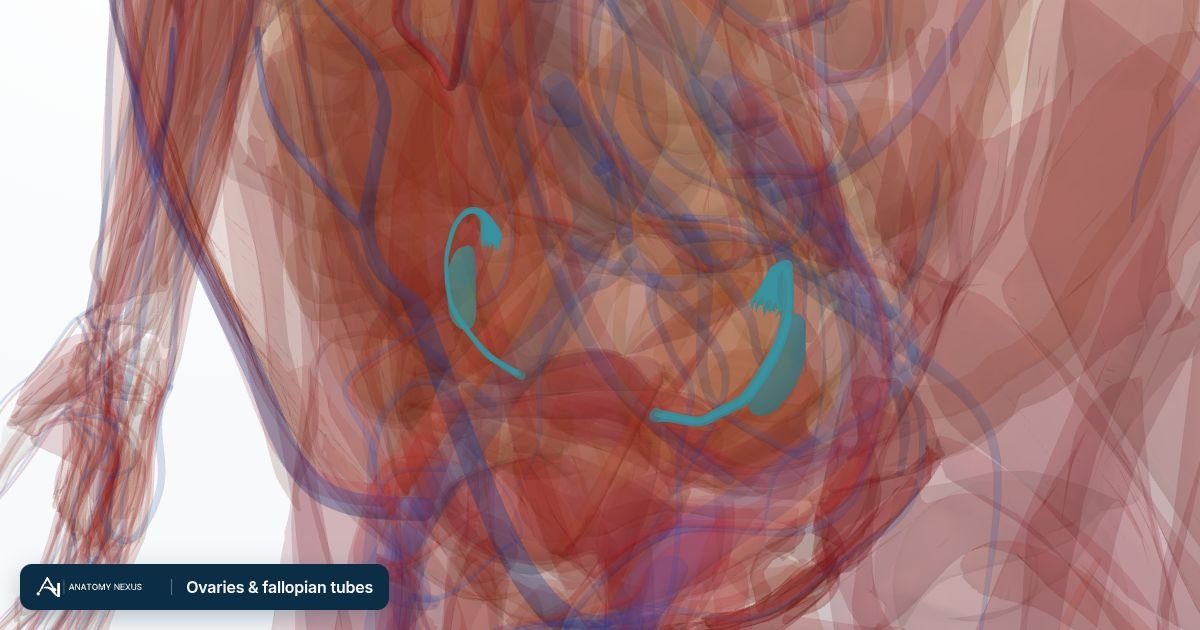
Overview
The ovaries sit deep in the pelvis and early disease causes only vague symptoms such as bloating and feeling full, so most ovarian cancers are diagnosed only after they have spread across the peritoneum. Risk rises with age, and there is no screening programme, so recognising persistent new symptoms is the main route to earlier diagnosis. Trans men and non-binary people who have not had their ovaries removed can develop ovarian cancer and need the same assessment of persistent symptoms.
Causes
- Accumulated genetic damage in the epithelium of the fallopian tube or ovarian surface; repeated ovulation and the repair it demands are thought to contribute, which is why factors that suppress ovulation are protective
- Inherited mutations in BRCA1 or BRCA2, or in the mismatch-repair genes of Lynch syndrome, in a minority of cases
- Endometriosis, from which clear cell and endometrioid cancers can arise
- No identifiable cause in most cases
Risk factors
- Increasing age: most cases occur after the menopause
- A family history of ovarian or breast cancer, or a known BRCA1, BRCA2 or Lynch syndrome mutation
- Never having been pregnant, infertility, and an early first period or late menopause
- Endometriosis
- Hormone replacement therapy (a small increase while it is taken)
- Being overweight, and smoking (linked to some subtypes)
Symptoms
What a clinician may find
- Persistent bloating or a visibly swollen abdomen, rather than bloating that comes and goes
- Feeling full quickly or losing appetite, with unexplained weight loss, or weight gain from fluid
- Pelvic or abdominal pain, needing to pass urine urgently or more often, and a change in bowel habit
- A pelvic or abdominal mass, ascites or a pleural effusion on examination in advanced disease
- In younger women with germ cell or hormone-producing tumours, a rapidly enlarging mass, abnormal bleeding or signs of hormone excess
Complications
- Spread across the peritoneum, omentum and bowel surface with ascites; later to lymph nodes, liver, lung and pleura
- Bowel obstruction from tumour deposits, a common problem in advanced disease
- Torsion or rupture of a large ovarian tumour, causing sudden severe pain
- Venous thromboembolism, which is frequent with ovarian cancer and its treatment
- Surgical menopause and loss of fertility after removal of both ovaries; chemotherapy side effects including nerve damage and low blood counts
- Recurrence, which is common after treatment of advanced disease
Diagnosis
NICE guidance directs GPs to measure serum CA125 in women, and in anyone else with ovaries, who reports persistent abdominal distension (bloating), feeling full or loss of appetite, pelvic or abdominal pain, or increased urinary urgency or frequency on a persistent or frequent basis, particularly more than 12 times a month, and especially if they are aged 50 or over, or who develops symptoms resembling irritable bowel syndrome for the first time after 50. If CA125 is raised, an ultrasound of the abdomen and pelvis follows, and the ultrasound findings, menopausal status and CA125 level are combined into a risk of malignancy index that guides referral to a specialist gynaecological cancer team. In women under 40, alpha-fetoprotein and hCG are also measured because germ cell tumours are more likely. CT of the abdomen and pelvis assesses spread, and the diagnosis is confirmed on tissue, either from an image-guided biopsy of a peritoneal deposit or from the fluid of ascites, or at surgery. Genetic testing for BRCA1, BRCA2 and Lynch syndrome is offered to people diagnosed with epithelial ovarian cancer and, when a mutation is found, to their relatives. CA125 is not a reliable test for early disease: it can be normal in early cancer and raised in endometriosis, fibroids, pelvic infection, pregnancy and other conditions.
Treatment
Treatment combines surgery and chemotherapy, planned by a specialist multidisciplinary team according to stage and subtype. Surgery for epithelial cancer usually removes the uterus, both ovaries and tubes and the omentum, samples or removes lymph nodes and aims to clear all visible tumour from the peritoneum (cytoreductive or debulking surgery); when disease is extensive, chemotherapy may be given first and surgery performed once the tumour has shrunk. Young women with early-stage disease can sometimes keep the uterus and the other ovary. Platinum-based chemotherapy (carboplatin, usually with paclitaxel) is given after surgery for all but the earliest stages. Maintenance treatment with a PARP inhibitor after chemotherapy prolongs remission, particularly in cancers with BRCA mutations or related DNA-repair defects, and bevacizumab is used in some advanced cases. Germ cell tumours respond very well to chemotherapy and are often cured with fertility preserved. Recurrent disease is treated with further chemotherapy, sometimes further surgery, and symptom control including drainage of ascites.
Prevention
No screening test has been shown to reduce deaths from ovarian cancer, so there is no population screening programme. Risk is lower in women who have used the combined contraceptive pill, been pregnant or breastfed, and after tubal ligation or hysterectomy, and keeping to a healthy weight and not smoking also help. Women with a strong family history should be referred to a genetics service: carriers of BRCA1, BRCA2 or Lynch syndrome mutations can be offered risk-reducing removal of the tubes and ovaries once their family is complete, which greatly lowers the risk, with attention afterwards to the effects of surgical menopause.