



Menopause
The permanent end of periods when the ovaries run out of responsive follicles and stop making oestrogen; it happens at an average age of 51 in the UK, is preceded by a perimenopause of irregular cycles and symptoms, and its effects on bone, the heart and the genitourinary tissues last long after the flushes have settled.
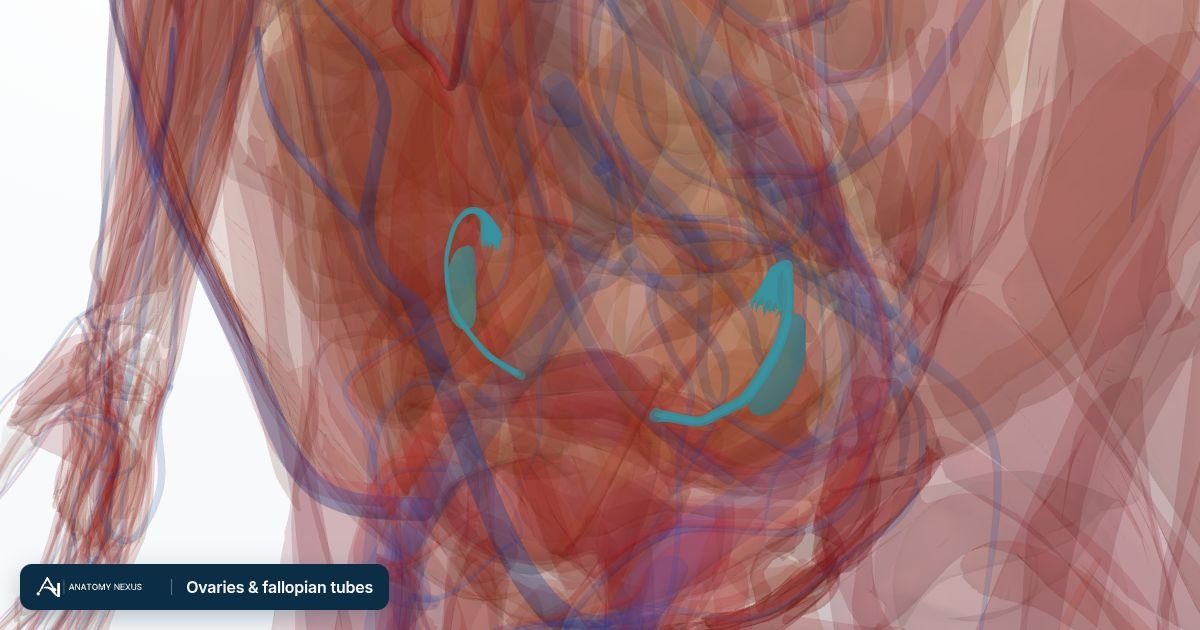
The menopause is the point at which the ovaries stop releasing eggs and making meaningful amounts of oestrogen, so periods stop for good: the follicle store is nearly spent, oestradiol and inhibin drop and FSH rises. In the UK it happens at an average age of 51, usually between 45 and 55, and is defined after 12 consecutive months without a period. The same change happens in anyone with ovaries, including trans men and non-binary people who are not taking testosterone or who stop it, although periods are often already absent on testosterone, so the transition may only become clear on hormone testing or when symptoms appear. The perimenopause, with irregular and often anovulatory cycles, lasts several years, and symptoms begin while periods continue. Fertility falls but does not vanish, so contraception is advised until periods have stopped for two years under 50 or one year over 50, and can usually stop at 55. Over 45 the diagnosis rests on the pattern of periods and symptoms; NICE advises against FSH testing except under 45.
The most characteristic symptoms are vasomotor: hot flushes and night sweats, which disturb sleep and can leave people tired and low. Mood changes, poor concentration, joint aches and lower libido are common. The vagina, vulva, urethra and bladder base thin as oestrogen falls, giving the genitourinary syndrome of menopause: dryness, pain during sex, urinary urgency and recurrent urinary infections, which persist without treatment. Any vaginal bleeding after the menopause, or unscheduled bleeding that continues beyond the first months of hormone replacement therapy, is not a menopausal symptom and is a reason to see a GP urgently: NICE advises an urgent referral for women aged 55 and over with postmenopausal bleeding, so that endometrial cancer can be excluded.
Oestrogen restrains bone-resorbing osteoclasts, so bone loss accelerates after the menopause and wrist, spine and hip fractures become more likely; weight-bearing exercise, calcium and vitamin D and, where bone density is low, medicines such as alendronate are the mainstays of prevention. The lipid profile becomes less favourable and the pelvic floor supports weaken. Premature ovarian insufficiency is menopause before 40, when hormone replacement is advised at least until the usual age. Surgical menopause, after removal of both ovaries, is often more intense because the hormones disappear overnight; the same applies to trans men and non-binary people whose ovaries are removed, in whom testosterone usually maintains bone unless it is interrupted.
Management starts with lifestyle measures. Hormone replacement therapy is the most effective treatment for flushes and night sweats and also protects bone; anyone who still has a uterus also takes a progestogen, so that unopposed oestrogen does not thicken the lining. Transdermal oestrogen is preferred where there is a risk of venous thromboembolism, and combined HRT slightly raises breast cancer risk with longer use, which falls after stopping. For most women with troublesome symptoms the benefits of HRT outweigh the risks, and the NHS advises that the risks are small when it is started around the usual age of menopause; the balance depends on age, time since the last period, the type of HRT and personal risk factors, and is reviewed regularly. Vaginal oestrogen treats genitourinary symptoms and recurrent urinary infections with very little absorption; cognitive behavioural therapy and some antidepressants, prescribed off-label, are non-hormonal options.
Key facts
| Fact | Value |
|---|---|
| Average age in the UK | 51; usually between 45 and 55 |
| Definition | 12 consecutive months without a period |
| Hormone pattern | oestradiol and inhibin fall; FSH rises |
| Premature ovarian insufficiency | menopause before 40; HRT advised at least until the usual age |
| Most effective treatment for flushes | HRT: oestrogen, plus a progestogen if the uterus is present |