



TSH test
Also known as: thyroid-stimulating hormone test, thyrotropin test, thyroid screening test
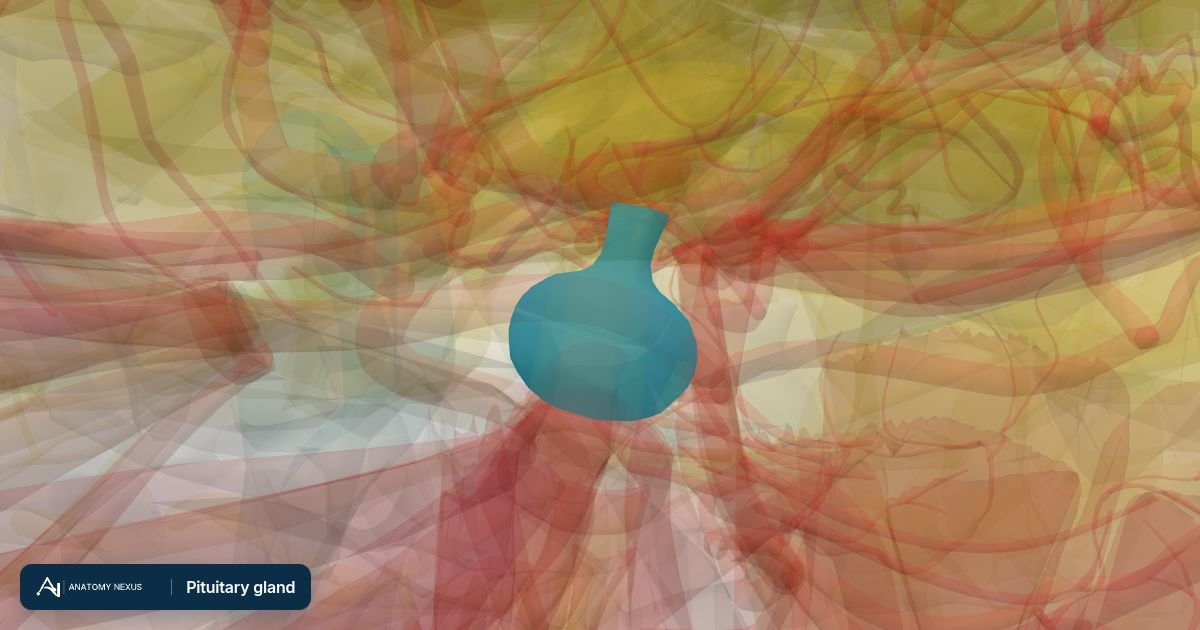
The single most sensitive blood test of thyroid function: TSH from the pituitary rises when the thyroid is underactive and falls when it is overactive, often before the thyroid hormones themselves leave their reference range. It is the first-line screening test and the value used to adjust levothyroxine.
- Canonical name
- Thyroid-stimulating hormone
- Abbreviations
- TSH
- Kind
- Laboratory test
- Categories
- Endocrine & hormone
- Specimen
- Serum
- Method
- Immunoassay
- Part of panel
- Thyroid function tests
- Terminology
- LOINC 3016-3
- Type
- Blood test
- Sample
- Blood from a vein
- Used for
- Thyroid screening, hypothyroidism, hyperthyroidism, levothyroxine monitoring
- Measures
- Thyroid-stimulating hormone from the pituitary
- Result
- Numeric with a laboratory reference interval; free T4 added when abnormal
Why is it used?
- Tiredness, weight change, feeling cold or hot, palpitations, anxiety, constipation or low mood
- A goitre, neck lump or family history of thyroid disease
- Atrial fibrillation, high cholesterol, depression, infertility or menstrual change
- Monitoring levothyroxine (6-8 weeks after a dose change, then yearly) or antithyroid drugs
- Before and during pregnancy in women with thyroid disease; on amiodarone or lithium
What does it measure?
| Component | What it measures | A higher value may be seen in | A lower value may be seen in |
|---|---|---|---|
| TSH (thyroid-stimulating hormone) TSH TSH | Pituitary thyroid-stimulating hormone | Hypothyroidism, under-replacement with levothyroxine, recovery from illness | Hyperthyroidism, over-replacement, pituitary disease, first-trimester pregnancy |
| Free T4 (thyroxine) FT4 Free T4 (added when TSH is abnormal) | Unbound thyroxine | Hyperthyroidism, excess levothyroxine | Hypothyroidism, pituitary disease, severe illness |
A high or low value can be associated with several different situations; the result is interpreted with other results, symptoms, history and clinical findings.
How is it performed?
A venous blood sample at any time of day; people on levothyroxine usually take the dose after the sample.
Specimen. Venous blood (serum)
Do I need to prepare?
None; tell the laboratory about biotin supplements, which can interfere with the assay and are paused for two days before the test.
What do the results generally mean?
| Finding | What it may indicate |
|---|---|
| High TSH with low free T4 | Primary hypothyroidism (the thyroid itself is failing) |
| High TSH with normal free T4 | Subclinical hypothyroidism: often repeated after three months; treatment considered if TSH stays above 10 mU/L or with symptoms, pregnancy or planning pregnancy |
| Low TSH with high free T4 or T3 | Hyperthyroidism: Graves disease, toxic nodules or thyroiditis |
| Low TSH with low free T4 | Pituitary (secondary) hypothyroidism, severe non-thyroidal illness or recent over-treatment; TSH alone cannot be trusted here |
Guideline thresholds
| Threshold | Value | Unit | Applies to | Country · source |
|---|---|---|---|---|
| Subclinical hypothyroidism: consider levothyroxine | TSH 10 or above on two occasions three months apart | mU/L | Adults with raised TSH and normal free T4; below 10 mU/L treatment depends on symptoms and circumstances | UK UK |
Clinical decision thresholds come from the named guideline and country; they are not laboratory reference intervals, and they change when guidance changes.
What can affect the result?
- Time of day (TSH peaks overnight) and acute illness
- Biotin supplements and some antibodies interfere with immunoassays
- Levothyroxine timing, adherence and absorption (iron, calcium, proton pump inhibitors reduce absorption)
- Pregnancy, older age, amiodarone, lithium, high-dose steroids and dopamine
Medicines. Levothyroxine and antithyroid drugs are the intended influences; amiodarone, lithium, interferon and immune checkpoint inhibitors can cause thyroid dysfunction; biotin interferes with the assay itself.
What can the test not tell you?
- The cause of an over- or underactive thyroid (antibodies, scans or ultrasound are needed)
- Thyroid status when the pituitary itself is diseased
- Whether a nodule or goitre is present
TSH is unreliable when the pituitary is diseased, during and shortly after severe illness ('sick euthyroid'), in the first trimester of pregnancy and with some medicines; it takes about six weeks to settle after a levothyroxine dose change, so testing sooner misleads. A normal TSH does not exclude thyroid problems that involve antibodies or nodules.