



Oestradiol
Also known as: E2, estradiol, oestrogen level, serum oestradiol
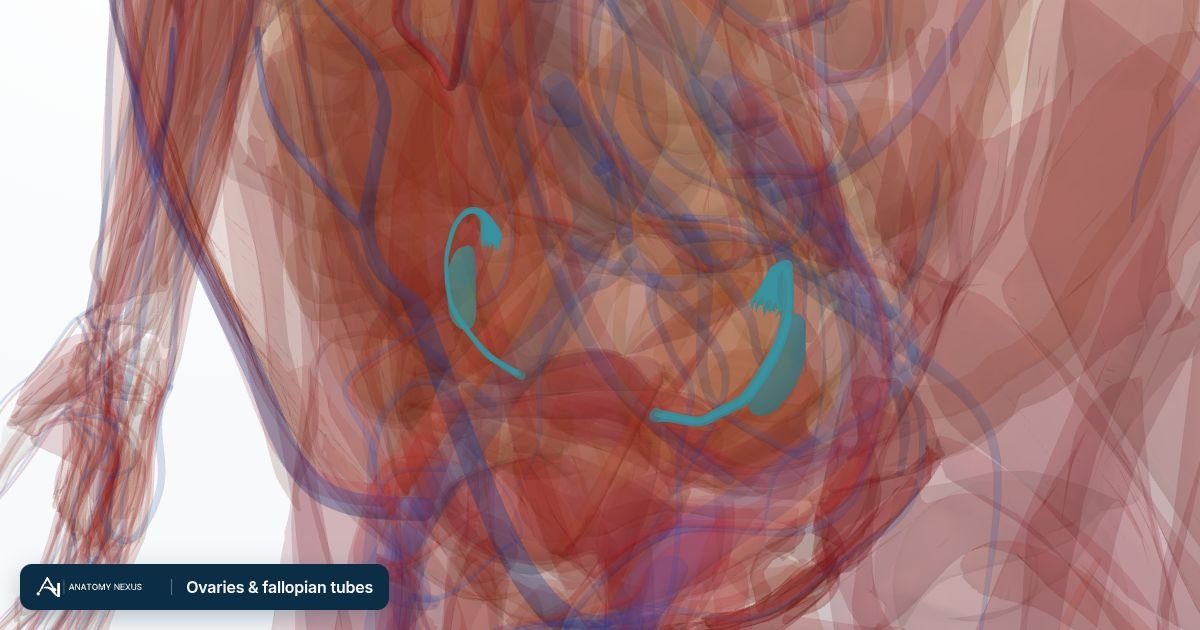
The main oestrogen of the reproductive years, made chiefly by the growing ovarian follicle and, in smaller amounts, by the testes and by aromatase in fat and other tissues acting on adrenal and gonadal androgens. It is read with the day of the cycle and with LH and FSH, and is used to monitor oestrogen treatment, including gender-affirming feminising therapy.
- Also known as
- E2, estradiol, oestrogen level, serum oestradiol
- Units
- pmol/L in the UK, pg/mL in the United States (1 pg/mL is about 3.7 pmol/L)
- Measured by
- Hormone tests
What it is and what it does
Oestradiol is the most active of the oestrogens. In women it is made chiefly by the granulosa cells of the developing ovarian follicle, which use aromatase to convert androgens supplied by the neighbouring theca cells; the steep rise late in the follicular phase triggers the luteinising hormone (LH) surge and ovulation, and after ovulation the corpus luteum makes oestradiol alongside progesterone. The level swings several-fold across a normal cycle, so a result means little without the day of the cycle beside it and is usually read with LH and follicle-stimulating hormone (FSH). People assigned male at birth make oestradiol too: a little from the testes and most from aromatase in fat, muscle, bone and brain acting on testosterone. Only the fraction not bound to sex hormone-binding globulin and albumin acts on tissues.
Why it may be higher
- The late follicular phase and the luteal phase of a normal cycle: oestradiol peaks just before ovulation and rises again after it
- Pregnancy, in which the placenta becomes the main source
- Oestrogen treatment: hormone replacement therapy, feminising gender-affirming therapy, and the ovarian stimulation used in fertility treatment
- Oestrogen-producing tumours of the ovary or adrenal gland, suspected when a high level cannot be explained by the cycle, pregnancy or treatment
- Obesity, in which aromatase in fat converts more androgen to oestradiol, and liver disease, which slows clearance and raises the binding protein
- In men, a raised level forms part of the investigation of gynaecomastia
Why it may be lower
- The menopause and the years after it, when the follicles are exhausted: oestradiol falls while FSH climbs
- Premature ovarian insufficiency, the same picture arising before the age of 40
- Hypothalamic amenorrhoea from low body weight, heavy training, stress or serious illness, in which LH and FSH are low as well
- Disease of the pituitary or hypothalamus, and Turner syndrome, in which the ovaries do not develop normally
- Medicines that block or suppress oestrogen production, such as aromatase inhibitors and GnRH analogues
- Masculinising hormone therapy in trans men and non-binary people taking testosterone
A high or low value can be associated with several different situations. The result is interpreted with other results, symptoms, history and clinical findings.
What can affect the result
- The day of the cycle: the result cannot be interpreted without it, which is why the request form asks for the date of the last period
- The menopause in women over 45 is diagnosed from symptoms and the pattern of periods, not from a blood test; when periods stop before 40, or between 40 and 45 with menopausal symptoms, NICE recommends FSH testing, and oestradiol is interpreted alongside it rather than on its own
- Pregnancy and breastfeeding
- Combined hormonal contraception, which suppresses the ovary's own production; the synthetic ethinylestradiol it contains is not measured by the assay
- Time of day, and in people on treatment the interval since the last patch change, gel application, tablet or injection
- The assay: immunoassays are imprecise at the low levels found in men, children and after the menopause, where mass spectrometry is preferred
Medicines that can change it
Each medicine page lists its effect on this marker under "Effects on tests and results", with the source.